
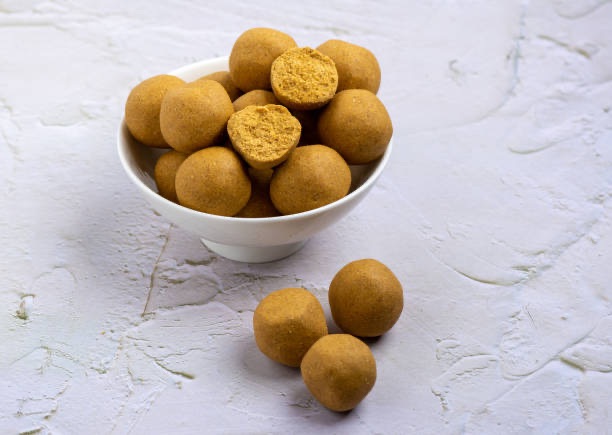
The vibrant Hausa culture is known for its rich traditions, colourful attire, and warm hospitality. One of the most fascinating aspects of the Hausa culture is its culinary heritage, which has a wide array of flavourful and aromatic dishes. When it comes to Hausa snacks, there is no shortage of delicious options to choose from. Whether it’s the popular spicy suya skewers, crispy bean cakes known as “kosai”, and sweet coconut rice cakes called “masa”, Nigerians enjoy them a lot!
Kosai (Bean Cakes)
These savory bean cakes are made from ground black-eyed peas, onions, and spices, then deep-fried to golden perfection. They are crispy on the outside and soft on the inside, making them a delightful snack or breakfast option.
To make Kosai, you have to first soak the black-eyed peas for a day, Drain and blend the soaked black-eyed peas until the puree is smooth, then add chopped onions, minced garlic, grated ginger, ground pepper, and salt to the blended mixture and mix well. Heat vegetable oil in a frying pan, then carefully scoop the batter with a spoon and turn it into the hot oil. Fry until golden brown, then remove and drain the resulting snack on paper towels. Serve warm.
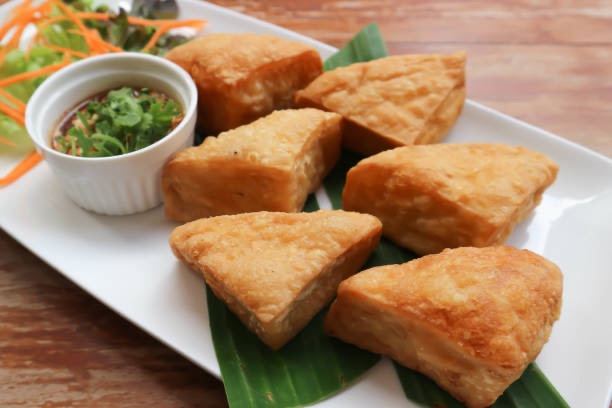
Masa
Masa is a popular Hausa snack in Nigeria. It is a type of rice cake made from fermented rice batter. The consistency is typically soft and slightly spongy.
To make Masa, soak rice in water for at least 6 hours or overnight. Blend the soaked rice with a bit of water to form a smooth batter and allow the batter to ferment for about 12-24 hours, depending on the desired level of fermentation. Heat a non-stick pan or a specialized pan, pour in a ladle of batter to form small, round pancakes, and cook until both sides are golden brown.
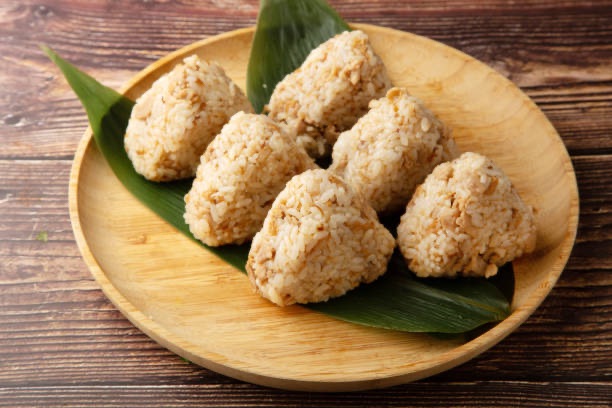
Dambu Nama (Dried Meat)
This traditional African snack is made by seasoning and drying thin slices of beef or goat meat. The result is a flavourful and chewy treat that is perfect for on-the-go snacking or as a protein-packed addition to meals. The key ingredient is lean beef, which is shredded and marinated with a blend of spices like cayenne pepper, dried ground pepper, and local herbs. The marinated beef is then sun-dried, resulting in a chewy, flavourful snack. Dambu Nama is a protein-rich snack that is often enjoyed as a quick energy boost during long days of work or as a side dish with meals.
Fura da Nono (Millet Balls with Milk)
Fura da nono is a popular Hausa snack made from millet flour, sugar, and spices, formed into small balls and served with fresh, creamy cow milk. The combination of the slightly tangy fura and the rich, frothy nono is simply irresistible. To make Fura da Nono, you need to first soak millet in water for a few hours to soften. Then grind the soaked millet into a smooth paste and form small balls (Fura) from the millet paste. Ferment the balls for a few hours and serve the Fura with fermented milk (Nono).
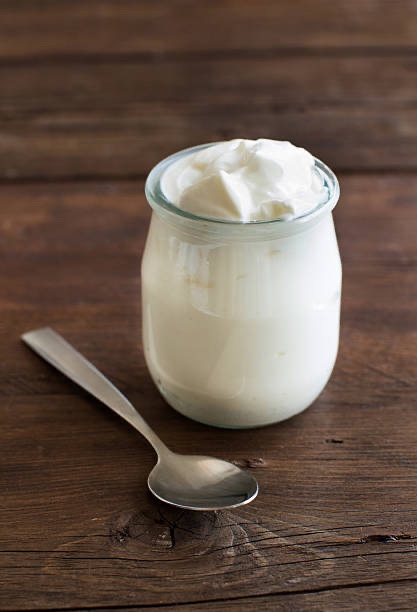
Donkwa / Dankwa
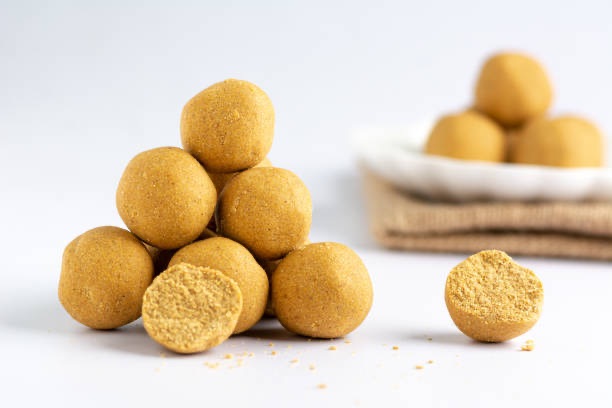
Donkwa is a popular Hausa snack made from spiced groundnut (peanut) paste mixed with flour and other ingredients. It has a unique texture and is often enjoyed as a tasty and crunchy treat.
To make Donkwa, you need to first roast groundnuts and grind them into a coarse paste. Mix the groundnut paste with roasted and ground corn or rice flour and add spices like pepper, ginger, and sugar for flavour. Shape the mixture into small balls or oval shapes and allow the Donkwa to air-dry, and it’s ready to be enjoyed.
Suya
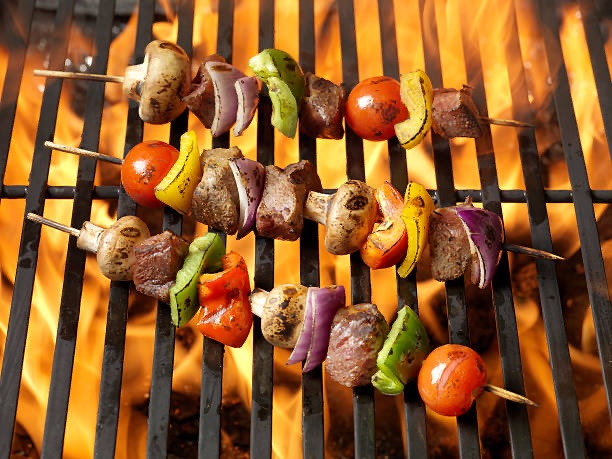
Suya is a popular Hausa street food that is widely enjoyed in Nigeria. It consists of thinly sliced, skewered (optional), and grilled meat, typically beef or chicken, coated in a flavourful spice blend called “suya spice.” The spice mix usually includes ground peanuts, cayenne pepper, ginger, garlic, and other aromatic spices. Suya is known for its smoky, spicy, and savory flavour. It is often served with sliced onions, tomatoes, and spicy pepper sauce. To make suya, marinate the meat in the spice mix, skewer it, and grill it to perfection. Here is how you do it.
Coat the meat slices with the suya spice mix, ensuring an even covering. Allow the meat to marinate for at least 30 minutes or refrigerate for a few hours for a more intense flavour. Thread the marinated meat slices onto skewers—this is usually optional as some don’t like theirs skewered. Grill the skewered meat on high heat until it’s cooked to your liking, with a slightly charred exterior. Serve suya hot, garnished with sliced onions, tomatoes, and a side of spicy pepper sauce.
Kilishi
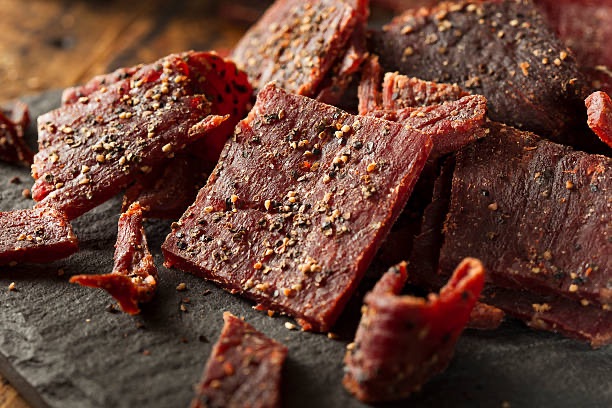
Kilishi is a Nigerian dried meat snack, similar to beef jerky, but with its own unique flavour profile. It is made by thinly slicing beef or other meats, marinating them in a blend of spices, and then air-drying or sun-drying until the meat becomes a chewy and flavourful snack. Kilishi is characterized by its smoky taste and a blend of spices, including ginger, garlic, onion, and cayenne pepper. The drying process helps preserve the meat, making kilishi a convenient and portable snack.
To make kilishi, coat the beef slices with the kilishi spice mix, ensuring thorough coverage and allow the meat to marinate for a few hours or overnight. Arrange the marinated meat slices on a rack or in a dehydrator—you can also use an oven. Dry until the meat becomes chewy and dry, then store the kilishi in an airtight container to maintain its freshness.
Kuli Kuli
Kuli Kuli is a crunchy, nutty snack made from ground peanuts, spices, and a touch of salt. The mixture is shaped into small balls or patties and then deep-fried until crispy. These flavourful bites are perfect for munching on during outings or as a side dish with pap or porridge. It is made using ground roasted peanuts, spices such as ginger, garlic, and cayenne pepper, and a binding agent like rice flour or groundnut paste. The use of peanuts reflects the agricultural abundance of the region, while the spices add a distinct flavour and aroma.
To prepare Kuli Kuli, start by roasting the peanuts until golden brown, then allow them to cool before grinding them into a fine powder. Add the spices and binding agent to the peanut powder, knead the mixture into a dough, and shape it into small, round balls or patties. Deep-fry the dough until golden and crispy, then drain on paper towels to remove excess oil. The result is a crunchy and flavourful snack that pairs perfectly with a refreshing drink. Kuli-Kuli is often enjoyed with a cold drink and is a favourite snack during festivals and ceremonies.
These are just a few examples of the delicious and diverse snacks that the Hausa culture has to offer. Whether you’re a fan of savoury or sweet, there’s something for everyone to enjoy with Hausa snacking.

Final Thoughts
The flavours of Hausa snacks are rich and diverse, reflecting the vibrant and diverse culture of the Hausa people. The cultural significance of these snacks is also not to be underestimated. In many Hausa communities, these snacks are an integral part of social gatherings, religious celebrations, and everyday life. They are a symbol of hospitality and are often shared generously with family and friends.
As for variety, the options are endless. From the aforementioned suya and masa to the crispy, savoury kuli-kuli and the refreshing fura da nono (a fermented milk drink), there is something to suit every palate. So, if you’re looking for a unique Nigerian snack to hop on, I encourage you to explore and enjoy the delightful world of Hausa snacks.
We‘ve got some like Donkwa and Kuli Kuli at our store at niyis.co.uk, so head over there right now to grab yours. Are you also aware that we organize an event at our store called Suya Sunday? Watch this space for more info on this. We also have suya mix in store, incase you like using the spice to marinate your meats.

 Niyis Afro Caribbean Cuisines and Groceries
Leave a comment