
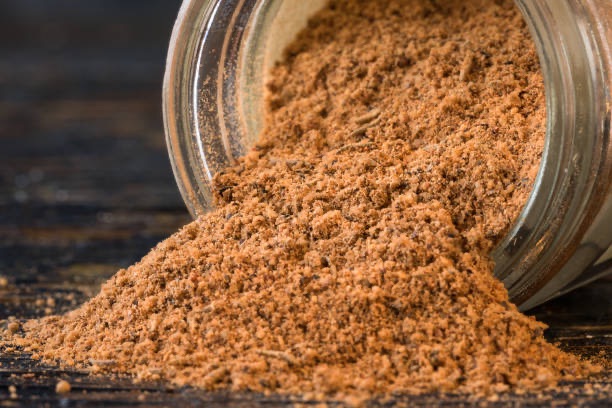
Jerk seasoning, a key element of Caribbean cuisine is truly something special. This unique blend of spices is not only a flavour bomb, but it also holds a lot of cultural significance in the Caribbean region. The tantalizing mix of ingredients in jerk seasoning reflects the diverse influences that have shaped Caribbean cuisine over the years, making it a true representation of the region’s rich history. So, get ready to uncover the magic of jerk seasoning and its role in creating some of the most mouthwatering dishes out there!
History and Origins
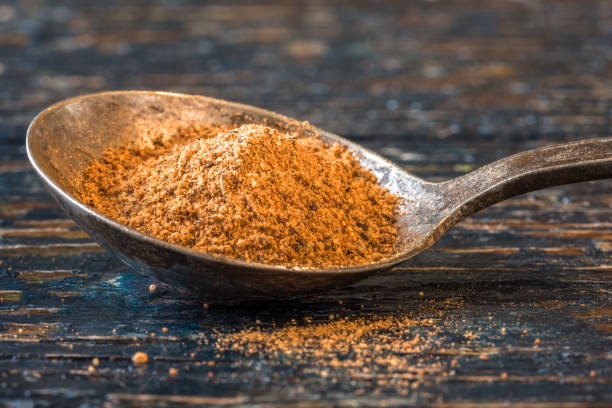
Way back when, the indigenous Taino people of Jamaica were known to preserve and flavour their meat with a blend of spices and peppers, creating a primitive form of jerk seasoning. Then, when the African slaves arrived on the island, they added their own blend of herbs and spices to the mix, creating a unique fusion of flavours that we now know as jerk seasoning.
Fast forward to modern times, and jerk seasoning has evolved from its traditional roots to embrace a wide range of variations. While the core ingredients like allspice, Scotch bonnet peppers, and thyme remain consistent, different chefs and households have developed their own signature blends by adding ingredients like cinnamon, nutmeg, and even brown sugar.
Key Ingredients and Spice Blend
The core ingredients of authentic jerk seasoning are what give it that delicious and distinctive flavour. Allspice, with its warm and peppery notes, is a key player in the mix. Then, of course, we can’t forget about the fiery Scotch bonnet peppers, which bring the heat in a way that no other pepper can. And let’s not overlook the earthy and aromatic thyme that adds a whole other layer of complexity to the seasoning.
Now, when it comes to the secret components that set homemade jerk seasoning apart from the store-bought versions, there are a few tricks of the trade. While store-bought versions often rely on preservatives and additives, homemade jerk seasoning can be made with fresher and higher quality ingredients, giving it a more vibrant and robust flavour. Additionally, homemade jerk seasoning allows for customization, so you can adjust the heat level and tweak the spices to suit your personal taste preferences.
Traditional Jerk Cooking Methods
When it comes to traditional jerk cooking, there are a couple of methods that really stand out. First off, we’ve got pit cooking, which involves slow-cooking marinated meat over a wood fire in a pit dug into the ground. This method allows the meat to absorb all those smoky flavours while getting super tender.
Then there’s smoking, which is another key part of authentic jerk cooking. The meat is hung in a wooden hut or metal drum over a low, smoky fire for several hours. This slow cooking process helps to infuse the meat with that classic jerk flavour that we all know and love.
The importance of smoke and slow cooking in authentic jerk flavour development cannot be overstated. The combination of smoky wood and slow, steady heat is what gives jerk its distinctive taste and tenderness. It’s all about taking the time to let those flavours really sink into the meat, creating a mouthwatering, unforgettable dish.

DIY Jerk Seasoning Recipe
– 2 tablespoons onion powder
– 2 tablespoons garlic powder
– 2 tablespoons brown sugar
– 1 tablespoon dried thyme
– 1 tablespoon allspice
– 1 tablespoon black pepper
– 1 teaspoon cayenne pepper (adjust to taste for spiciness)
– 1 teaspoon paprika
– 1/2 teaspoon nutmeg
– 1/2 teaspoon cinnamon
– 1/2 teaspoon salt
– 1/4 teaspoon cumin
– 1/4 teaspoon red pepper flakes (optional for extra heat)
Mix all the ingredients together in a bowl and store in an airtight container. Use it to season chicken, pork, fish, or even vegetables for that classic jerk flavour.
If DIY isn’t your thing, and you’re looking for authentic pre-made jerk seasoning blends or ingredients, you can check out our African and Caribbean grocery store at Niyis.co.uk. We have a selection of jerk seasoning blends and individual spices like allspice and scotch bonnet peppers.

Popular Dishes and Recipes using Jerk Seasoning
When it comes to jerk seasoning, it’s all about that perfect blend of spicy, smoky, and flavourful goodness. Jerk chicken, a staple of Jamaican cuisine, is marinated in a mix of fiery Scotch bonnet peppers, allspice, thyme, and other aromatic spices, then grilled to perfection. The result is a mouthwatering combination of heat and savoury flavours that is sure to please any palate.
Then there’s jerk pork, another beloved dish that showcases the bold flavours of jerk seasoning. The pork is marinated in the same fiery blend of spices as the jerk chicken, then slow-cooked until tender and juicy. The end result is a dish that is bursting with smoky, spicy, and tangy flavours that will leave you longing for more.
How to Make Your Own Jerk Dish
Now, if you’re eager to try making your own classic jerk dish at home, here’s a step-by-step recipe to guide you through the process.
Step 1
Start by preparing the jerk seasoning. Combine a mix of Scotch bonnet peppers, allspice, thyme, garlic, ginger, scallions, and other aromatic spices in a food processor, and pulse until it forms a smooth paste.
Step 2
Rub the jerk seasoning all over your choice of chicken or pork, making sure to really massage it in for maximum flavour. For best results, let the meat marinate overnight to allow the flavours to really penetrate the protein.
Step 3
When you’re ready to cook, fire up your grill or preheat your oven to a high temperature. If you’re using a grill, cook the meat over indirect heat to prevent burning. If you’re using an oven, place the meat on a wire rack set over a baking sheet to allow air to circulate.
Step 4
Cook the meat until it’s charred on the outside and cooked through on the inside, basting with any remaining jerk seasoning to keep it moist and flavourful.
Step 5
Once the meat is cooked to perfection, let it rest for a few minutes before slicing and serving.
Culinary Tips and Pairings
When it comes to marinating and cooking with jerk seasoning for optimal flavour infusion, there are a few key tips to keep in mind. First and foremost, the longer you marinate your meat or vegetables, the more intense the flavour will be. So, if you have the time, try to marinate your jerk seasoned dish overnight to really let the flavours soak in. If you’re short on time, even just an hour or two can make a difference.
When it comes to cooking, grilling is the traditional method for jerk dishes, but you can also achieve delicious results in the oven or on the stovetop. If you’re grilling, use wood chips like pimento or allspice for an authentic touch.
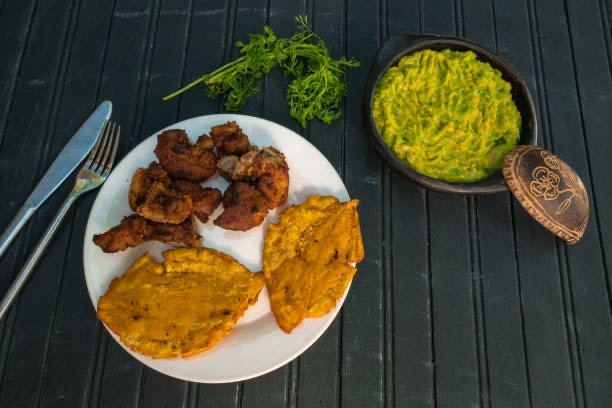
As for complementary sides, a classic choice is rice and peas, which adds a nice, mellow contrast to the bold flavours of jerk seasoning. Plantains are also a popular choice, whether they’re fried, grilled, or served as a sweet and savoury mash. For sauces, a cooling cucumber yogurt sauce or a spicy mango salsa can help balance out the heat of the jerk seasoning.
When it comes to beverages, a cold beer or a fruity rum punch can be a perfect pairing for jerk dishes. The crispness of the beer or the sweetness of the rum punch can help cut through the spiciness of the seasoning and refresh your palate.
Conclusion
The beauty of Caribbean cuisine lies in its diverse and dynamic flavours, and jerk seasoning is a shining example of that. With its fiery blend of spices like allspice, scotch bonnet peppers, and thyme, jerk seasoning brings a fiery kick and a hint of sweetness to any dish. It’s the perfect way to add a taste of the Caribbean to your favourite meats, seafood, or even vegetables.
So, why not take a culinary adventure and incorporate jerk seasoning into your cooking repertoire? Whether you’re grilling up a storm at your next barbecue or adding some flair to a weeknight dinner, jerk seasoning promises to elevate your dishes to a whole new level.
So go ahead, grab a jar of jerk seasoning and let your taste buds dance to the rhythm of the Caribbean. It’s time to savour the bold and irresistible flavours that have made jerk seasoning a beloved culinary tradition. Cheers to embracing the vibrant taste of Caribbean cuisine!
 Niyis Afro Caribbean Cuisines and Groceries
Leave a comment