
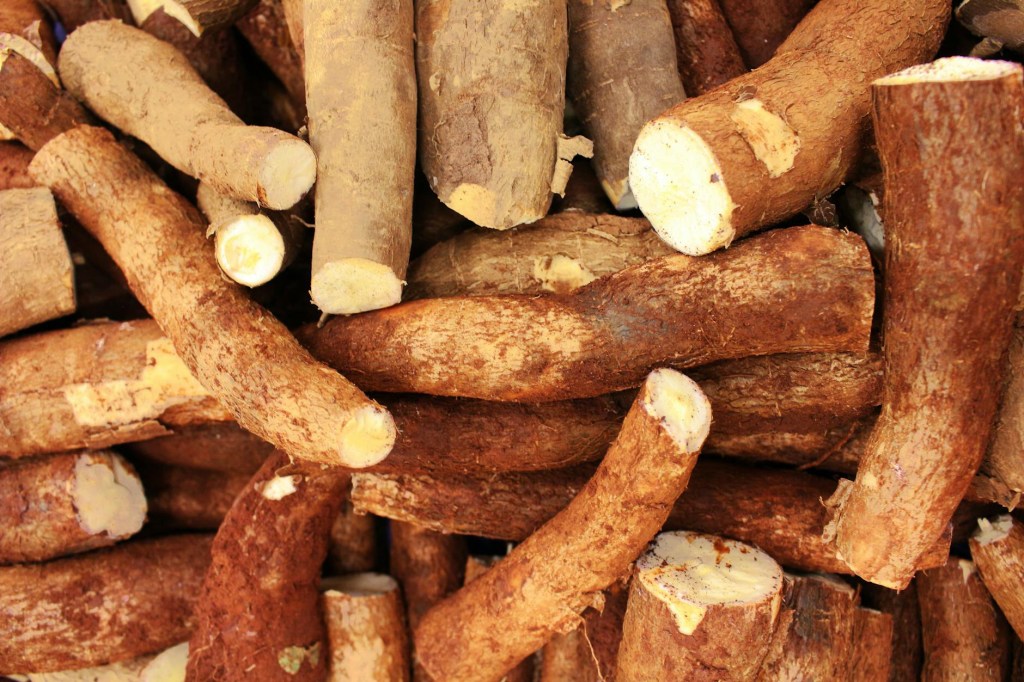
This starchy root has been a staple in African and Caribbean culinary traditions for centuries. It’s like the ultimate comfort food for many people in these regions. Cassava is incredibly versatile and can be prepared in various ways, from boiling and frying to mashing and baking. It’s a go-to ingredient for all sorts of hearty and satisfying dishes.
In local diets, cassava plays a vital role as a source of carbohydrates and nutrients. It’s often used as a substitute for grains like rice and wheat, especially in areas where those are less readily available. Beyond its nutritional value, cassava also holds significant cultural importance. It’s a key ingredient in traditional dishes and is often featured in festive gatherings and celebrations.
In some cultures, cassava is also believed to have spiritual significance. Its cultivation and preparation are sometimes accompanied by rituals and ceremonies that highlight its importance in local customs and beliefs. So, it’s not just a meal – it’s a symbol of community, heritage, and tradition.
Origins and Cultivation of Cassava
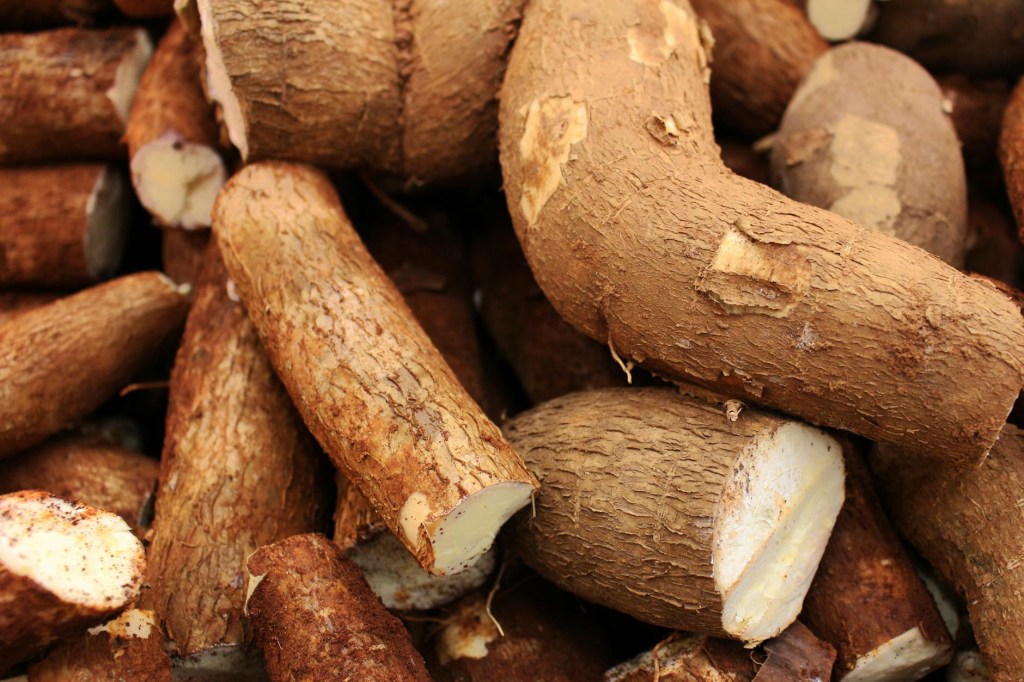
Cassava cultivation has a long history in Africa and the Caribbean, dating back thousands of years. In Africa, the origins of cassava cultivation can be traced to the region around the Congo basin, from where it spread to other parts of the continent. In the Caribbean, cassava was introduced by the Spanish and Portuguese during the colonial period and has since become a staple crop in many island nations.
There are several varieties of cassava, each with its own unique characteristics and regional significance. In Africa, the most commonly grown varieties include the bitter and the sweet cassava. The bitter variety is commonly used for traditional dishes and brewing, while the sweet variety is preferred for its lower cyanide content and pleasant taste. In the Caribbean, varieties such as the “bajans,” “caraflex,” and “gari” are popular choices, each prized for their adaptability to different growing conditions and culinary uses.
Traditional methods of cultivating and harvesting cassava vary depending on the region and cultural practices. In Africa, cassava is often grown using a slash-and-burn technique, where the land is cleared and burned before planting. Once mature, cassava roots are harvested by hand, often with the help of simple tools like machetes or digging sticks. In the Caribbean, similar techniques are used, with variations based on the specific island and cultural traditions.
Despite the variations in cultivation methods and regional preferences, cassava remains an important and versatile crop in both Africa and the Caribbean, providing food security and livelihoods for millions of people.

Nutritional Value and Health Benefits of Cassava
Let’s break down the nutritional components of cassava, shall we? This starchy root vegetable is a great source of carbohydrates, providing energy to fuel your day. It also contains fiber, which is important for a healthy digestive system and can help with weight management.
In terms of vitamins and minerals, cassava is rich in vitamin C, which supports the immune system, and manganese, which is important for bone health and metabolism. However, it’s important to note that cassava is not particularly high in protein or other essential nutrients, so it should be consumed as part of a balanced diet.
When it comes to health benefits, cassava can provide sustainable energy and support overall digestive health. It’s also gluten-free, making it a suitable option for those with gluten sensitivities or celiac disease. However, cassava does contain compounds called cyanogenic glucosides, which can release cyanide when consumed in large amounts. Proper processing and cooking methods can help minimize this risk.
Comparing cassava to other root vegetables, it stands out as a good source of carbohydrates and fiber. However, the nutritional profile of cassava differs from that of other root vegetables like sweet potatoes, yams, and potatoes. For example, sweet potatoes are higher in vitamin A, while yams are richer in certain minerals. Each root vegetable brings its own unique nutritional benefits to the table.
Culinary Uses of Cassava
In African and Caribbean cuisine, cassava is a key ingredient in many popular dishes. In Nigeria, cassava is used to make garri, a popular fermented product that can be eaten as a snack or used as a base for a variety of dishes. In the Caribbean, cassava is used to make cassava pone, a delicious dessert made with grated cassava, coconut, and spices.
Now, let’s talk about some mouth-watering recipes featuring cassava. One popular dish is cassava fries, which are a great alternative to regular fries. Simply peel the cassava, cut it into fry-sized pieces, and then fry them until golden and crispy. They’re perfect for dipping in your favorite sauces or enjoying on their own.
Another tasty option is cassava bread. This gluten-free bread is made from cassava flour and can be enjoyed as a side with a savoury meal or as a base for sandwiches. It’s soft and chewy with a slightly nutty flavour, making it a favorite among those looking for gluten-free options.
In addition to these dishes, cassava is also used to make cassava cake, cassava pancakes, and even cassava dumplings. Its neutral flavour and starchy texture make it a versatile ingredient that can be used in both sweet and savoury recipes.
Cooking Tips and Techniques of Cassava
Selecting, storing, and preparing cassava can make a big difference in the taste and texture of your dishes. When choosing cassava, look for roots that are firm, smooth, and free of blemishes. Avoid any roots that have soft spots or mold. It’s best to store cassava in a cool, dry place, like the pantry, and use it within a week or two for the best flavour.
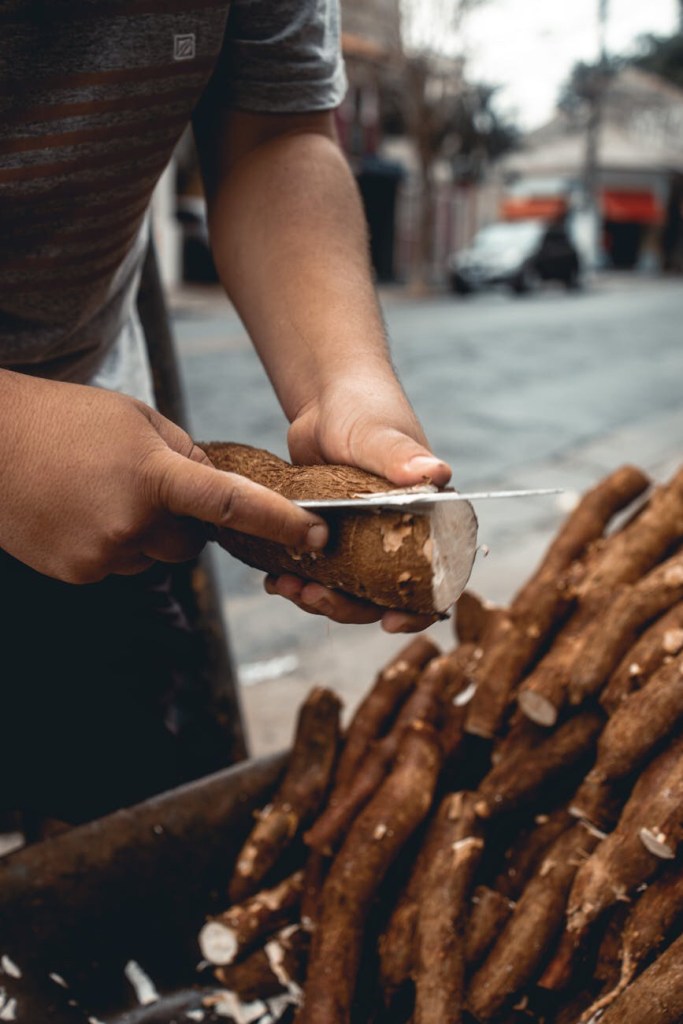
Preparing cassava takes a bit of effort, but it’s worth it. Start by peeling the tough, waxy skin with a sharp knife, then cut the cassava into chunks. Be sure to remove the tough, fibrous core from each chunk before cooking. This will ensure a smoother texture when it’s done.
When it comes to cooking cassava, there are several methods you can try. Boiling is the most common, which softens the cassava and makes it easy to mash or incorporate into dishes. You can also fry cassava for a crispy, indulgent treat, or roast it for a caramelized flavour. Steaming is another option that retains more of the cassava’s natural flavour.
Incorporating cassava into modern recipes can add a delightful twist to your meals. You can use cassava as a gluten-free alternative to flour in recipes like pancakes, bread, and even pizza crust. You can also use mashed cassava as a thickening agent in soups and stews, or simply seasoned and baked as a tasty side dish.

Conclusion
So, we’ve learned about the significant role of cassava in African and Caribbean cuisines. From the hearty fufu in West Africa to the crispy cassava fries in the Caribbean, this root vegetable is truly versatile and essential to these culinary traditions.
But why stop there? If you haven’t already, I encourage you to try cassava-based recipes and embrace its versatility in your own cooking. Whether you want to try making cassava bread, tapioca pudding, or even cassava gnocchi, there are plenty of delicious options to choose from. And don’t forget about the various ways cassava flour can be used in gluten-free baking!
So, why not take a culinary adventure and incorporate cassava into your next meal? It’s a great way to add a unique and delicious twist to your dishes while also celebrating the rich food culture of Africa and the Caribbean. Happy cooking!

 Niyis Afro Caribbean Cuisines and Groceries
Leave a comment