
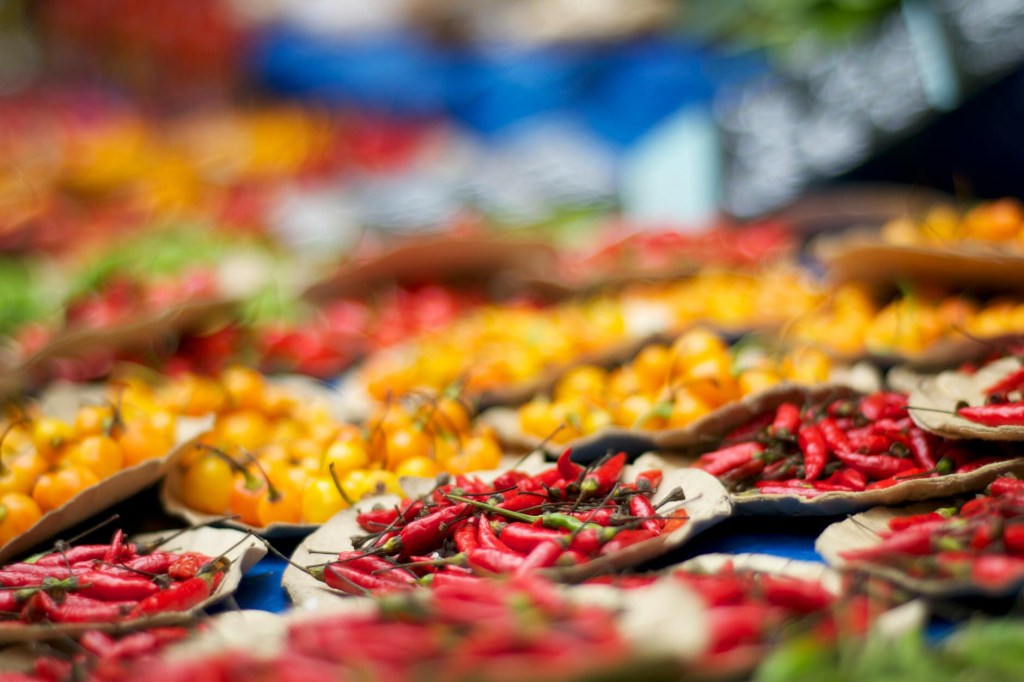
Hey there, my fellow foodie! Let’s talk about the importance of incorporating unique flavours into our everyday meals. Adding a touch of unexpected flavour to our meals can really take our taste buds on a thrilling adventure. Whether it’s a sprinkle of exotic spices, a splash of zesty citrus, or a dollop of tangy sauce, unique flavours can elevate even the most basic dish to a whole new level.
First of all, mixing up flavours keeps things interesting. Let’s face it – nobody wants to eat the same bland chicken or boring salad every single day. By incorporating unique flavours, we can keep our meals exciting and enjoyable, making it easier to stick to a healthy and balanced diet.
Moreover, exploring new flavours opens us up to different cultures and culinary traditions. It’s an amazing way to travel the world through our taste buds without leaving our kitchen. Trying out new ingredients and flavour combinations allows us to appreciate the diversity of Afro-Caribbean cuisine and gain a deeper understanding of various cultures.
Unique flavours can also bring health benefits. Many herbs, spices, and exotic ingredients are packed with antioxidants, vitamins, and other nutrients that can boost our overall health. For example, turmeric is known for its anti-inflammatory properties, while ginger is great for digestion. So, by infusing our meals with diverse flavours, we can nourish our bodies while indulging our senses.
Experimenting with Herbs and Spices
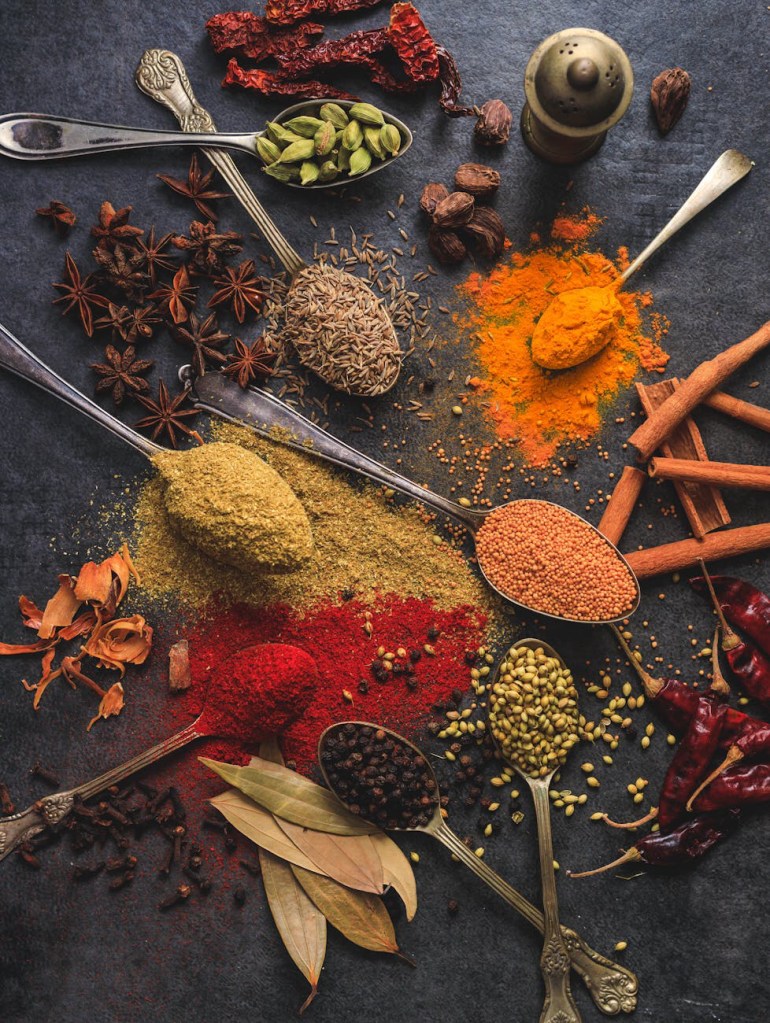
When it comes to herbs and spices, the options are truly endless. Whether you’re a seasoned chef or a home cook looking to elevate your dishes, the world of herbs and spices offers a wide array of flavours and aromas to experiment with. From the earthy warmth of cinnamon to the zesty kick of cilantro, there’s something for every palate.
Some popular herbs include basil, rosemary, thyme, and oregano, each offering a unique flavour profile that can enhance everything from pasta sauces to roasted meats. On the spice side, options like cumin, paprika, turmeric, and cayenne pepper bring a punch of heat and depth to dishes like stews, curries, and grilled vegetables.
Combining different herbs and spices can result in a myriad of unique flavour profiles. For example, pairing rosemary and thyme with a touch of garlic creates a savoury and aromatic blend perfect for seasoning roasted potatoes. Mixing cumin, coriander, and smoked paprika can lend a smoky and earthy flavour to grilled meats or vegetables. The key is to experiment and taste as you go to find the right balance.
In my own culinary adventures, I’ve found that combining a pinch of cinnamon with a hint of chilli powder can take a simple tomato soup to a whole new level. Similarly, a dash of turmeric and a sprinkle of black pepper can add complexity and warmth to a pot of lentil stew. These combinations have added depth and character to my dishes, and they’ve become staples in my cooking repertoire.
Exploring Ethnic Ingredients
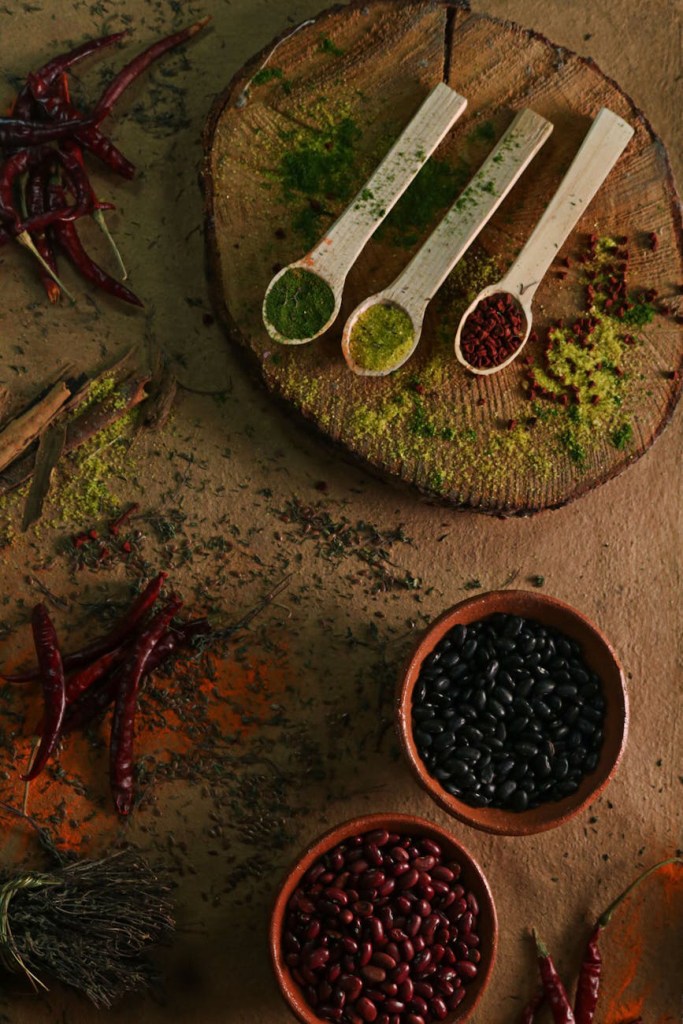
So, you’ve mastered the art of cooking classic dishes, but have you ever thought about diving into the diverse world of ethnic ingredients? Incorporating ingredients from different cultures can add a whole new dimension to your cooking, taking your taste buds on a flavourful adventure.
Exploring ingredients from different cultures exposes you to a wide array of exotic flavours, spices, and aromas. Ingredients like garam masala from India, miso paste from Japan, or harissa from North Africa can instantly elevate the flavour profile of your dishes. Each ingredient brings its unique taste and cultural significance, adding depth and complexity to your meals.
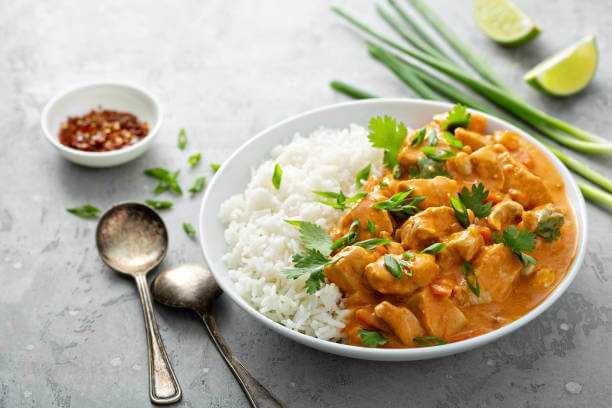
Incorporating these ethnic ingredients into your everyday cooking can be easier than you think. Start by adding a pinch of garam masala to your chicken marinade, stirring miso paste into your soups or stews for an umami kick, or mixing harissa into your salad dressings for a spicy twist. These simple additions can transform familiar dishes into something entirely new and exciting while still maintaining the essence of your cooking style.

Playing with Sweet and Savoury
When it comes to creating mouth-watering dishes, the balance of sweet and savoury flavours is key to achieving culinary perfection. The contrast of sweetness and savoury notes can elevate any meal, adding depth and complexity to the overall taste. Whether it’s a succulent main course or a delectable dessert, finding the right harmony between these two flavour profiles is essential.
Incorporating sweet and savoury elements into everyday meals doesn’t have to be complicated. For instance, adding a drizzle of honey to a savoury roasted vegetable dish can add a delightful sweetness that complements the earthy flavours of the vegetables. Another easy way to incorporate this balance is by creating a glaze using a combination of soy sauce and brown sugar for grilled meats, providing a delicious mix of sweet and savoury notes.Successful sweet and savoury pairings are abundant in various cuisines. One classic example is the combination of juicy, tender pork with a sticky, sweet barbecue sauce. The contrast between the savoury meat and the sweet, tangy sauce creates a winning flavour combination that’s hard to resist. Another noteworthy pairing is the use of caramelized onions in a savoury dish, where the natural sweetness of the onions balances out the rich, savoury flavours of the dish, such as in a French onion soup.
Cooking Techniques
When it comes to cooking, the techniques you use can have a major impact on the flavour of your dishes. Grilling, roasting, and braising are three techniques that can really elevate the taste of your food and take it to the next level.
Grilling is a fantastic way to add a smoky and charred flavour to your food. The high heat creates a caramelised crust on the outside of the food, sealing in the juices and adding a depth of flavour that is hard to achieve with other methods. Whether you’re grilling vegetables, meats, or even fruits, this technique can bring out a delicious and unique taste.
Roasting is another great technique that helps to concentrate the flavours of your ingredients. By cooking at a higher temperature in the oven, you can achieve a beautifully browned exterior while keeping the inside tender and juicy. This method works wonders for vegetables, meats, and even certain fruits, intensifying their natural sweetness and creating a more complex flavour profile.
Braising is a slow-cooking method that involves searing the food at a high temperature and then finishing it off in a flavourful liquid, such as broth or wine, at a lower temperature. This technique is perfect for tougher cuts of meat and can result in incredibly tender and flavourful dishes. The long, slow cooking process allows the flavours to meld together, creating a rich and satisfying taste.
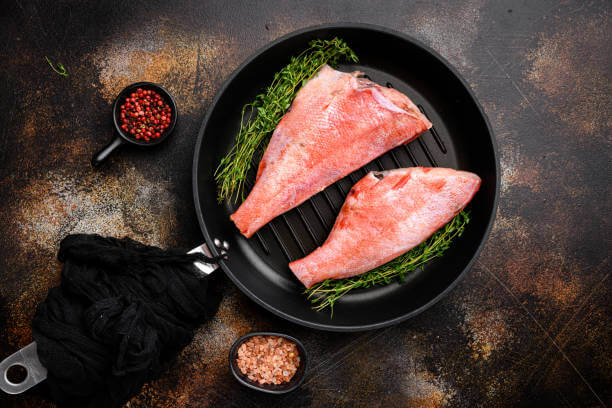
Incorporating these techniques into your everyday cooking can really make a difference. For example, try grilling your vegetables instead of boiling or steaming them for a more intense and interesting flavour. Roast your chicken or fish with some herbs and spices to bring out their natural flavours and add depth to your dishes. And don’t be afraid to braise tougher cuts of meat, as the slow cooking process will break down the connective tissues and create a melt-in-your-mouth texture.
Conclusion
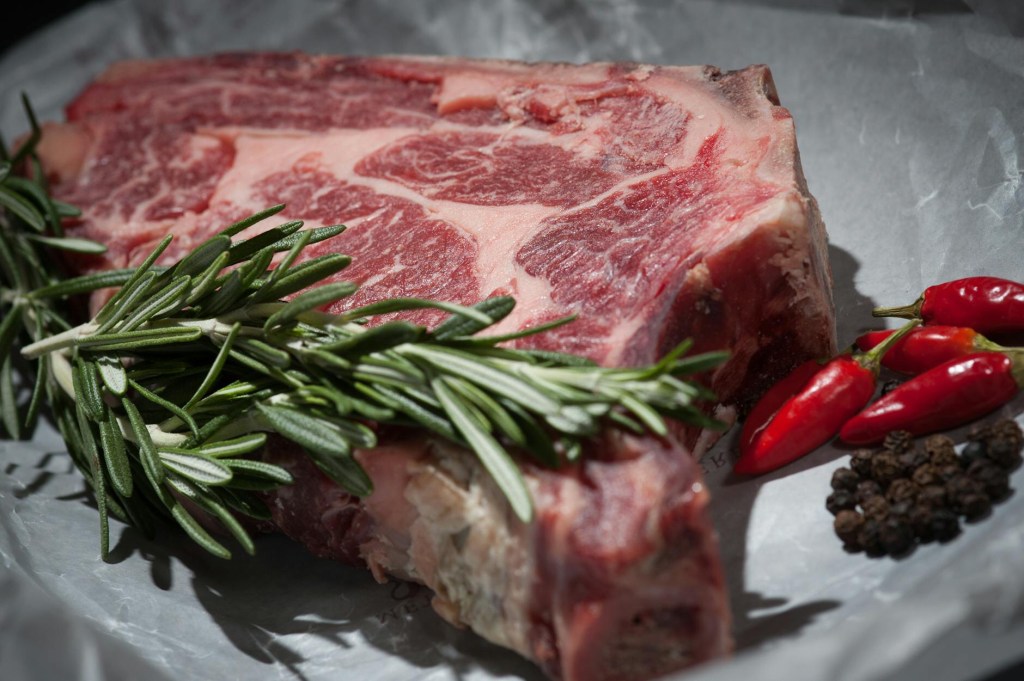
Incorporating unique flavours into everyday meals can truly elevate the dining experience. Not only does it add excitement and variety to your dishes, but it also allows you to explore different cultural cuisines and expand your palate. By infusing a touch of creativity into your cooking, you can transform mundane meals into culinary adventures.
If you haven’t started experimenting with new flavours in your cooking, now is the perfect time to begin. Whether it’s trying out a new spice blend, experimenting with exotic herbs, or incorporating a twist from a different cuisine, the possibilities are endless. You might discover a new favourite flavour combination or create a signature dish that becomes a staple in your kitchen.

 Niyis Afro Caribbean Cuisines and Groceries
Leave a comment