
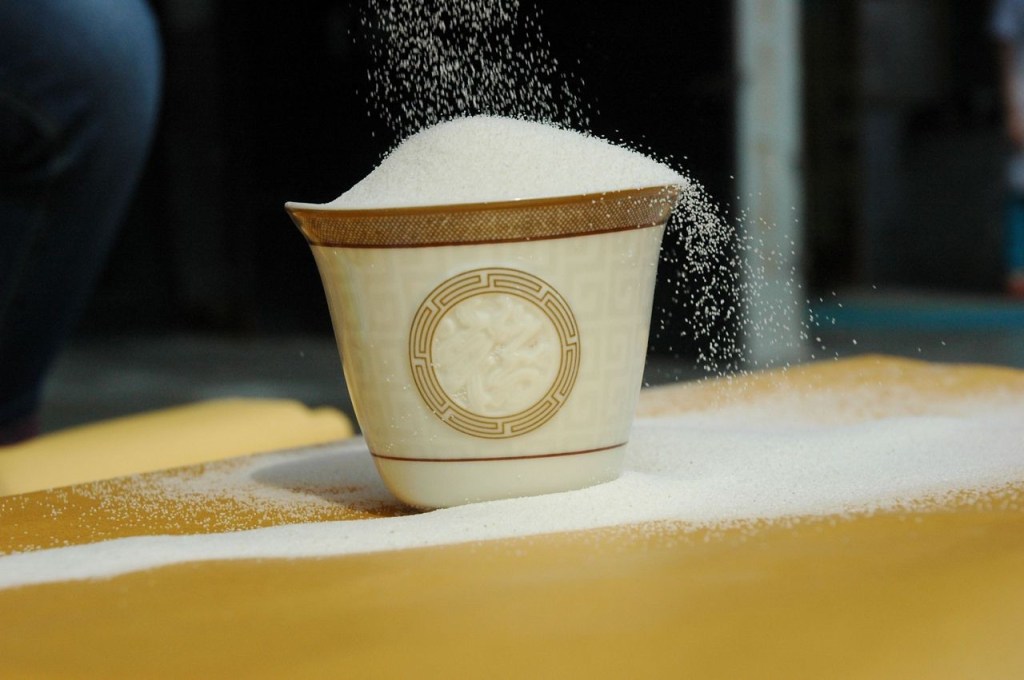
From creamy puddings to silky pasta and golden, crumbly bread, Semolina has woven itself into the fabric of global cuisine. As we embark on a journey to explore the enchanting world of semolina, it becomes evident that mastering the art of cooking with this golden grain opens a realm of possibilities in the kitchen. Whether you’re a seasoned home cook or a beginner seeking to expand your culinary horizons, Join us as we delve into the origins, forms, and diverse uses of semolina, discovering how to transform it into mouthwatering creations that will delight the palates of all who have the pleasure of savoring your dishes.
What is Semolina?
Semolina is a coarse type of flour that is typically made from durum wheat, a hard variety of wheat. It is a versatile ingredient used in various culinary traditions around the world. The process of making semolina involves grinding the endosperm of durum wheat into small, granular particles. These granules give semolina its distinctive texture and appearance.
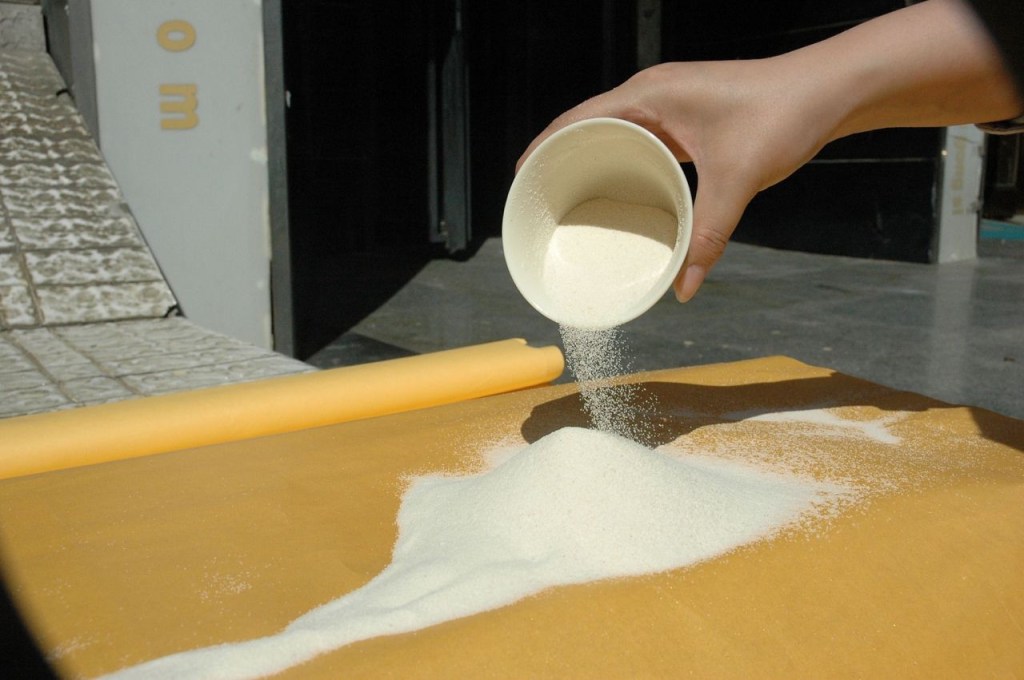
What is Semolina Made From?
Semolina is typically made from durum wheat, which is a hard variety of wheat. Durum wheat is known for its high protein and gluten content, and these qualities make it particularly well-suited for pasta and other wheat-based products.
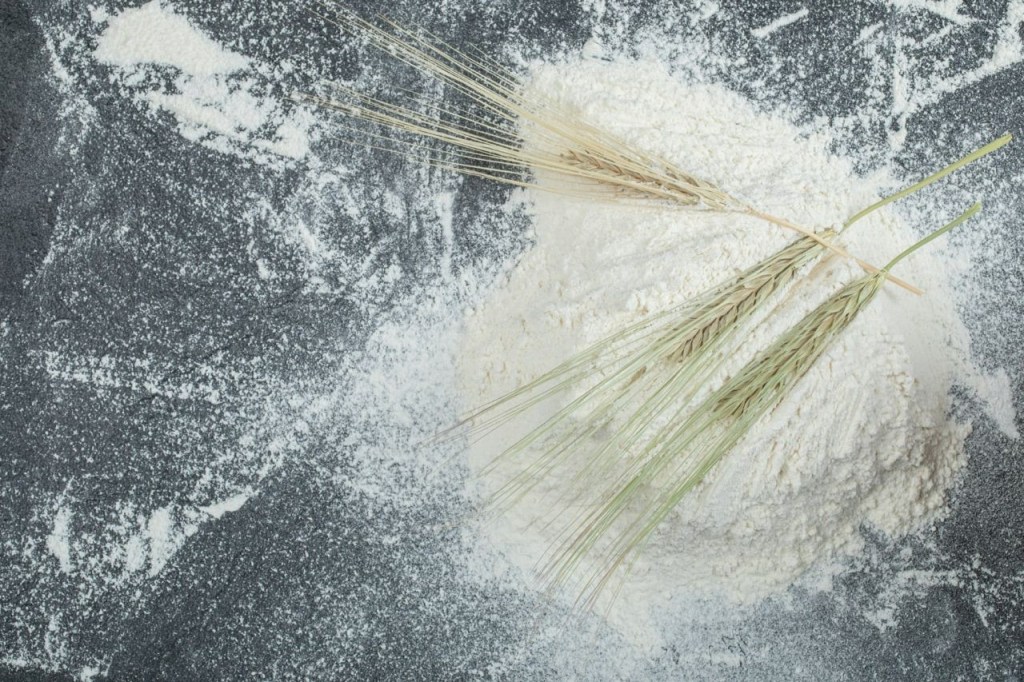
How is Semolina Made?
Milling: Durum wheat grains are cleaned and then milled to separate the outer bran layer, the germ, and the inner endosperm. The endosperm is the starchy part of the grain and is the primary component used to make semolina.
Sifting: The milled durum wheat flour is then sifted to separate the finer flour from the coarser particles. The coarser particles are what we recognize as semolina.
Grinding: These coarser particles are then ground into small, granular particles to create the characteristic texture of semolina.
The resulting semolina is known for its distinctive pale yellow color, coarser texture, and its ability to create a smooth, creamy consistency when cooked with liquids. The coarser grind of semolina also makes it well-suited for certain recipes, such as pasta, couscous, and various desserts, where it contributes to the desired texture and flavor.
What to Make with Semolina?
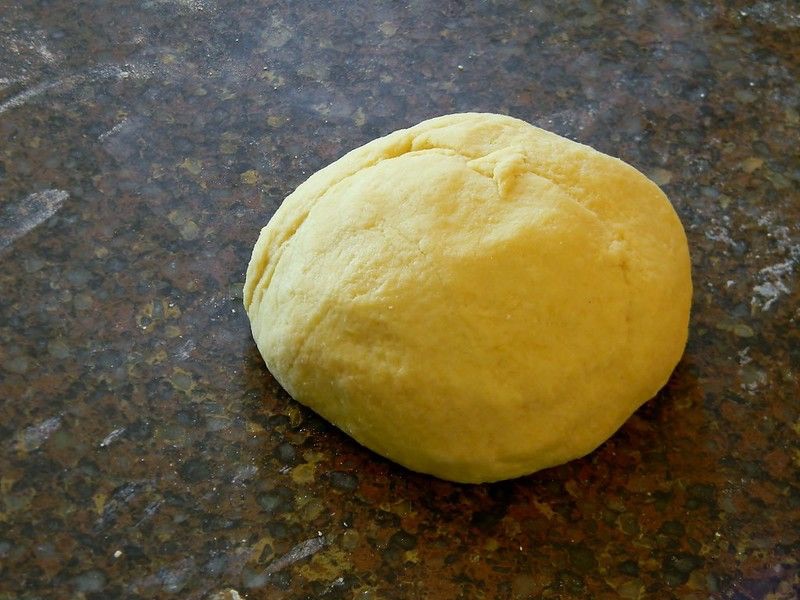
Semolina Swallow: Semolina swallow, also known as semolina fufu or semolina eba, is a popular side dish in West African cuisine. It’s a thick and dough-like mixture made from semolina that’s typically served with soups or stews. Here’s a simple guide on how to cook semolina swallow
Pasta: Semolina is a key ingredient in making pasta, especially in traditional Italian pasta recipes like fettuccine, pappardelle, and many types of gnocchi. It provides a great texture and holds its shape well during cooking.
Couscous: Semolina is the primary ingredient in making couscous, a staple in North African and Middle Eastern cuisines. It is steamed to create light, fluffy grains that can be used as a base for stews and tagines.
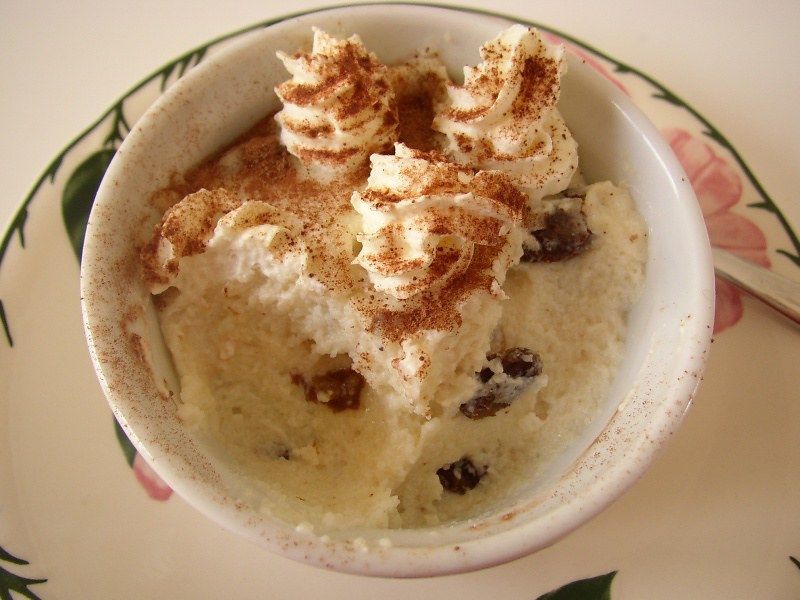
Semolina Pudding: Semolina can be used to make a creamy and comforting dessert known as semolina pudding. It’s often flavored with vanilla, cinnamon, or other spices, and sweetened with sugar or honey.
Semolina Cake: Semolina is a key component in many cake recipes, such as basbousa (a Middle Eastern semolina cake) and revani (a Turkish semolina cake). These cakes are often soaked in a sugar or syrup-based syrup for added moisture and sweetness.
Semolina Porridge: Similar to cream of wheat, semolina can be used to make a creamy breakfast porridge. It can be flavored with ingredients like vanilla, fruits, or nuts for added flavor.
How to Make Semolina Swallow
Ingredients
- 1 cup semolina
- 3 cups water
- A pinch of salt
Instructions
Boil Water: In a medium-sized pot, bring the 3 cups of water to a boil. Add a pinch of salt for flavor.
Add Semolina Gradually: Once the water is boiling, reduce the heat to medium. Gradually sprinkle the semolina into the water while stirring continuously with a wooden spoon or spatula to prevent lumps from forming.
Stir and Cook: Keep stirring the mixture continuously to ensure it is well combined and smooth. Cook the semolina mixture for about 5-7 minutes until it becomes thick and begins to pull away from the sides of the pot.
Adjust Consistency: If the semolina swallow is too thick, you can add a little bit of hot water to adjust the consistency. If it’s too thin, add a bit more semolina while stirring continuously.
Knead the Dough: Once the semolina swallow has thickened, turn off the heat and let it sit for a minute. Then, use the wooden spoon or spatula to knead the dough-like mixture, turning it over several times to ensure a smooth and elastic consistency.
Serve: Transfer the semolina swallow to a serving dish or a bowl and mold it into your desired shape. It’s typically served in a ball-like shape and eaten with your hands by pinching off small portions and dipping them into a soup or stew.
Enjoy: Pair the semolina swallow with your favorite African soup or stew, such as egusi, okra, or groundnut soup. It serves as a delicious and satisfying side dish that complements the flavors of the main course.
What is Semolina Pudding?
Semolina pudding is a creamy dessert that many consider a comfort food in many European countries.
It is made from semolina flour, along with milk, sugar, and often flavored with ingredients like vanilla, cinnamon, or lemon zest. It is a popular dessert in various cuisines around the world and can be enjoyed warm or chilled.

How to Make Semolina Pudding
To make a classic semolina pudding, you’ll need a few basic ingredients and a simple cooking process. Here’s a semolina pudding recipe that shows how to make this delicious dessert. This step-by-step guide will have you making tasty semolina pudding in no time:
Ingredients
- 1/2 cup semolina
- 4 cups milk
- 1/2 cup granulated sugar (adjust to taste)
- 1 teaspoon vanilla extract
- Optional flavorings: cinnamon, nutmeg, lemon zest, or rose water
Instructions
- Prepare Your Ingredients:
- In a bowl, mix the semolina with a small amount of milk to create a smooth paste. This helps prevent lumps in the pudding.
- Heat the Milk:
- In a medium-sized saucepan, heat the 4 cups of milk over medium heat. You can add any optional flavorings at this stage if you desire, such as a cinnamon stick or lemon zest. Heat the milk until it’s just about to simmer but avoid bringing it to a boil.
- Add Semolina:
- Gradually whisk the semolina paste into the simmering milk, stirring constantly to prevent lumps from forming. Continue to cook over low to medium heat, stirring continuously. It will take about 10-15 minutes for the mixture to thicken to a pudding-like consistency.
- Add Sugar and Vanilla:
- Once the semolina pudding has thickened, add the granulated sugar and vanilla extract to the mixture. Stir well to combine. You can adjust the amount of sugar to your desired level of sweetness.
- Final Cooking:
- Continue to cook the pudding for an additional 1-2 minutes, ensuring that the sugar is fully dissolved, and the pudding has reached your preferred thickness.
- Serve:
- Remove the semolina pudding from the heat. You can enjoy it served hot, or you can let it cool to room temperature and then refrigerate it for a chilled dessert. Optionally, you can garnish it with a sprinkle of cinnamon or a drizzle of honey before serving.
Tips for Making Semolina Pudding
Use Fresh Ingredients: Ensure that the milk and semolina you use are fresh. Fresh ingredients will result in a better-tasting pudding.
Stir Continuously: Stir the semolina mixture into the hot milk gradually and stir continuously throughout the cooking process to prevent lumps from forming. A whisk can be helpful for achieving a smooth consistency.
Control the Heat: Keep the heat at medium or medium-low to avoid scorching the pudding. You want to simmer it gently without letting it boil.
Be Patient: Semolina pudding thickens as it cooks, but it can take some time. Be patient and allow it to reach the desired consistency gradually. It may take about 10-15 minutes.
Adjust Sugar: The amount of sugar is a matter of personal preference. Start with the recommended amount, and then taste the pudding. You can add more sugar if you prefer a sweeter pudding.
Semolina Pudding Variations
Semolina pudding is a versatile dessert that can be customized with various flavors and ingredients to create delightful variations. Here are some creative ideas to try if you love semolina pudding:
Chocolate Semolina Pudding:
- Add cocoa powder or melted chocolate to the basic semolina pudding recipe for a rich and chocolatey twist. You can also top it with chocolate shavings or a drizzle of chocolate sauce.
Fruit-Infused Semolina Pudding:
- Mix in fruit purees, stewed fruit or compotes such as strawberry, raspberry, or mango for a fruity flavor. You can also add diced fresh fruit like bananas, apples, or berries for a burst of freshness.
Lemon Semolina Pudding:
- Add lemon zest and a touch of lemon juice to your semolina pudding for a refreshing and citrusy flavor. A sprinkle of powdered sugar and a twist of lemon zest can be a beautiful garnish.
Coconut Semolina Pudding:
- Substitute a portion of the milk with coconut milk for a creamy and tropical twist. Garnish with toasted coconut flakes for added texture and a hint of coconut flavor.
Honey and Nut Semolina Pudding:
- Drizzle honey over the top of your semolina pudding for a sweet, floral touch. Sprinkle crushed nuts, such as walnuts or almonds, for a delightful crunch.
Where Can I Buy Semolina?
You can find Semolina in specialty food stores, particularly those that focus on Italian or Mediterranean cuisine, here at our African Food Store we sell quality Semolina that you can use in any of the recipes above.
Conclusion
Cooking with semolina us exciting whether you’ve tried it before or not. It doesn’t matter if you’re making velvety puddings, hand-rolling fresh pasta, or creating savory swallow, this ingredient is a canvas for your culinary creativity. With the basics mastered and a dash of imagination, you can embark on a delightful journey, savoring the flavors of semolina in your own unique creations.



 Niyis Afro Caribbean Cuisines and Groceries
Leave a comment