
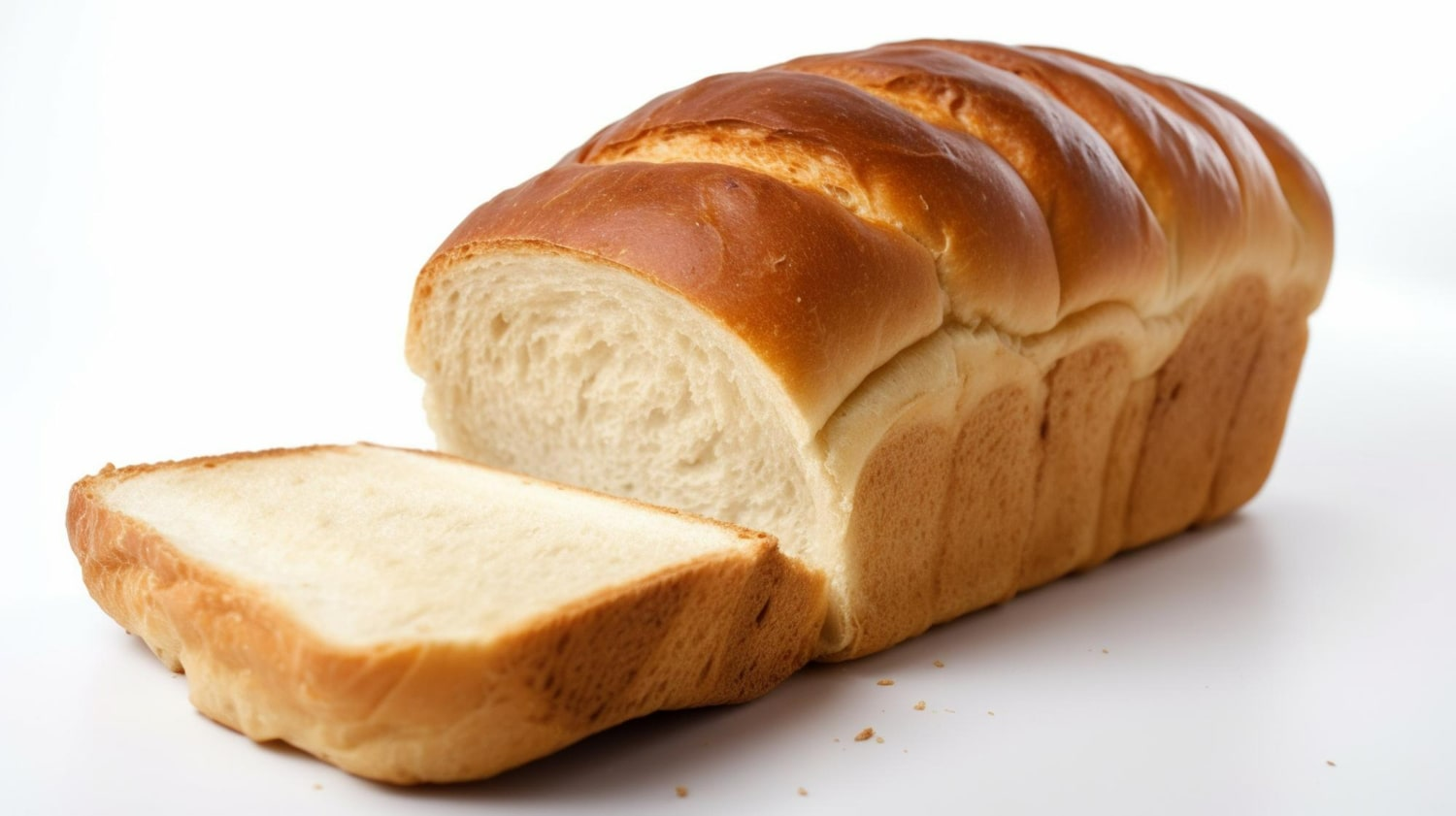
For centuries, people have praised bread as the “staff of life,” an essential food around the world. But among the several bread variations that are served on our tables, Agege Bread stands out for its distinctive flavor, texture, and cultural significance.
Agege Bread, which comes from the busy streets of Lagos, Nigeria, is more than simply a loaf; it’s a cherished culinary custom that captures the spirit of West African cooking.
Making this renowned loaf will not only fill your home with an irresistible aroma but also connect you with the rich tapestry of Nigerian culture and history and we’ll show you how to.
What is Agege bread?
Agege bread is a popular type of bread that originates from the Agege area of Lagos, Nigeria. It has gained widespread popularity not only in Nigeria but also among West African communities and beyond due to its unique taste and texture. Agege bread is known for its soft, fluffy interior and slightly chewy crust.
Agege Bread Ingredients
Here is a list of the basic ingredients that go into making Agege bread:
- All-Purpose Flour: The primary ingredient for Agege bread is all-purpose flour, which serves as the base for the bread dough.
- Water: Water is used to hydrate the flour and form the dough. The hydration level can vary depending on the recipe, but it generally results in a soft, moist dough.
- Sugar: Sugar is added to give the bread its slightly sweet flavor. Granulated sugar or honey can be used.
- Yeast: Active dry yeast or instant yeast is used to leaven the bread, causing it to rise and become fluffy.
- Salt: Salt enhances the flavor of the bread and helps control the yeast’s activity.
- Milk: Some recipes include milk or powdered milk as an ingredient to enrich the dough and add a touch of creaminess to the bread.
- Butter or Margarine: Butter or margarine is often added to provide a soft, tender crumb and a subtle buttery flavor. It also contributes to the bread’s richness.
- Vegetable Oil: Vegetable oil can be included in the recipe for added moisture and a soft texture.
- Eggs (Optional): While not always included, some recipes for Agege bread may call for eggs to enrich the dough further and contribute to a softer texture.
AGEGE BREAD RECIPE ( AFRICAN BREAD)
- 4 1/2-5 Cups Bread Flour
- 2 1/4 Teaspoons Active Yeast (1 packet)
- 1/4 Cup Sugar
- 1/2 Cup Lukewarm Water
- 1 1/2 Cup Whole milk or Evaporated milk
- 2 Tablespoons Melted Butter
- 1 Large Egg
- 1 Teaspoon Salt
- 1/2 Teaspoon Ascorbic acid
HOW TO MAKE AGEGE BREAD (NIGERIAN BREAD)
Making Bread isn’t hard, if you follow the instructions in this recipe you can have your own homemade bread.
Yeast Proofing
The first thing you need to do when making agege bread is proof yeast. Dissolve yeast in warm water, do this in a small basin, top it with a little sugar, and let sit for about 5 minutes, or until it foams. If you’re using instant yeast, there’s no need to proof it first; you can simply add it to the flour.
Mix Dry Ingredients
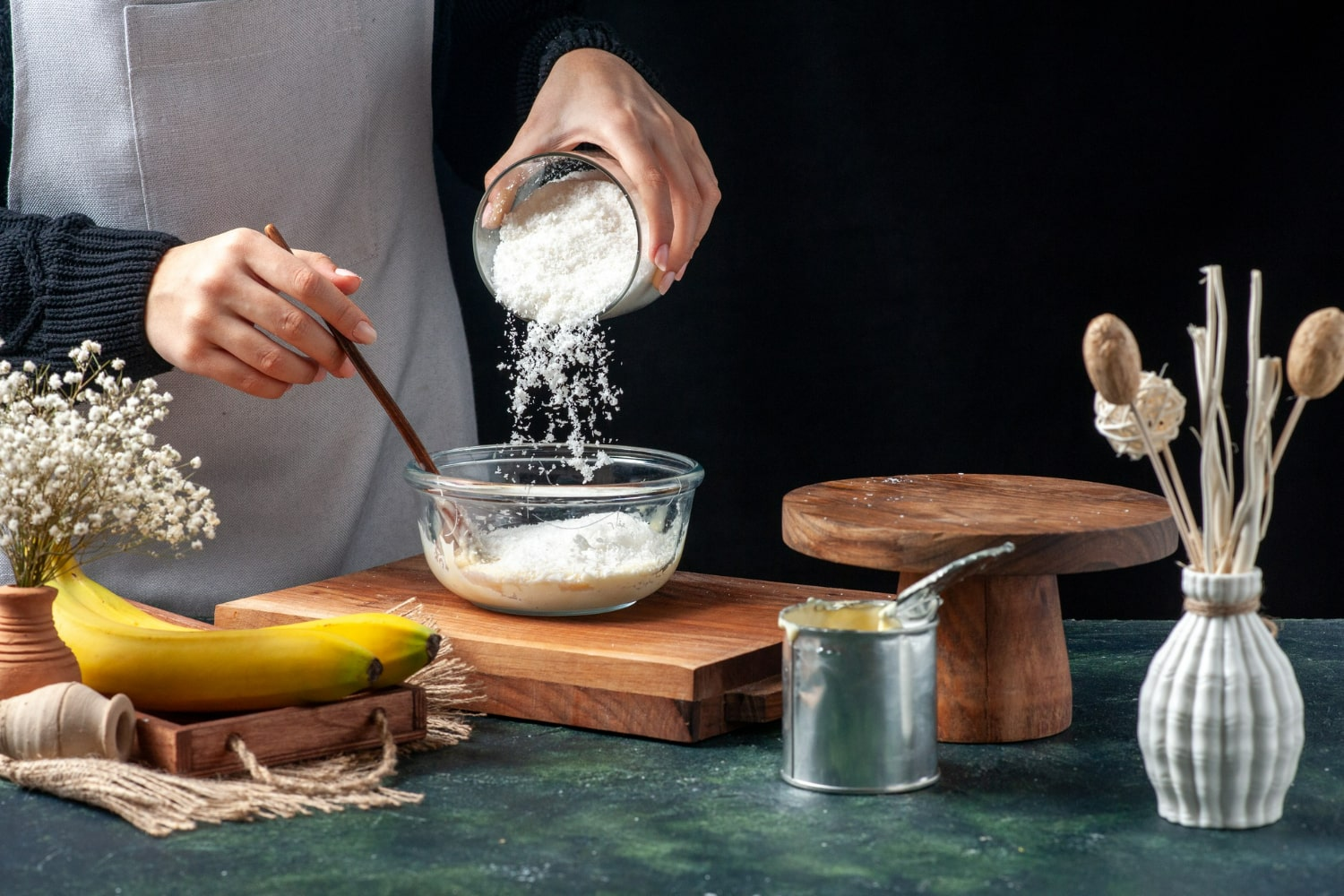
Sift flour in a large bowl, add sugar, salt, and Vitamin C, and mix.
Mix Wet Ingredients
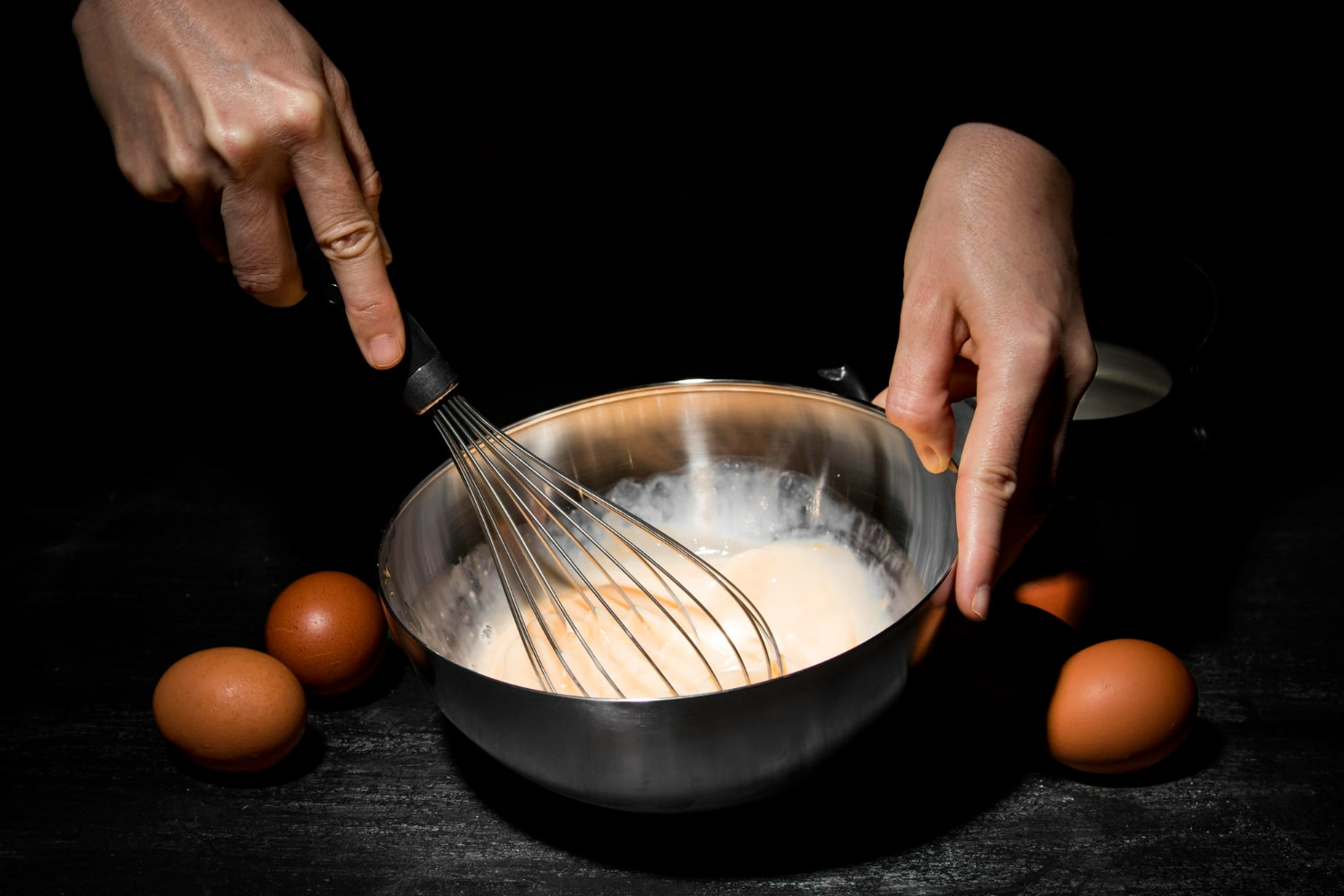
In a small bowl, melt butter, beat egg into it, add milk, and whisk together.
Mix the Wet & Dry Ingredients
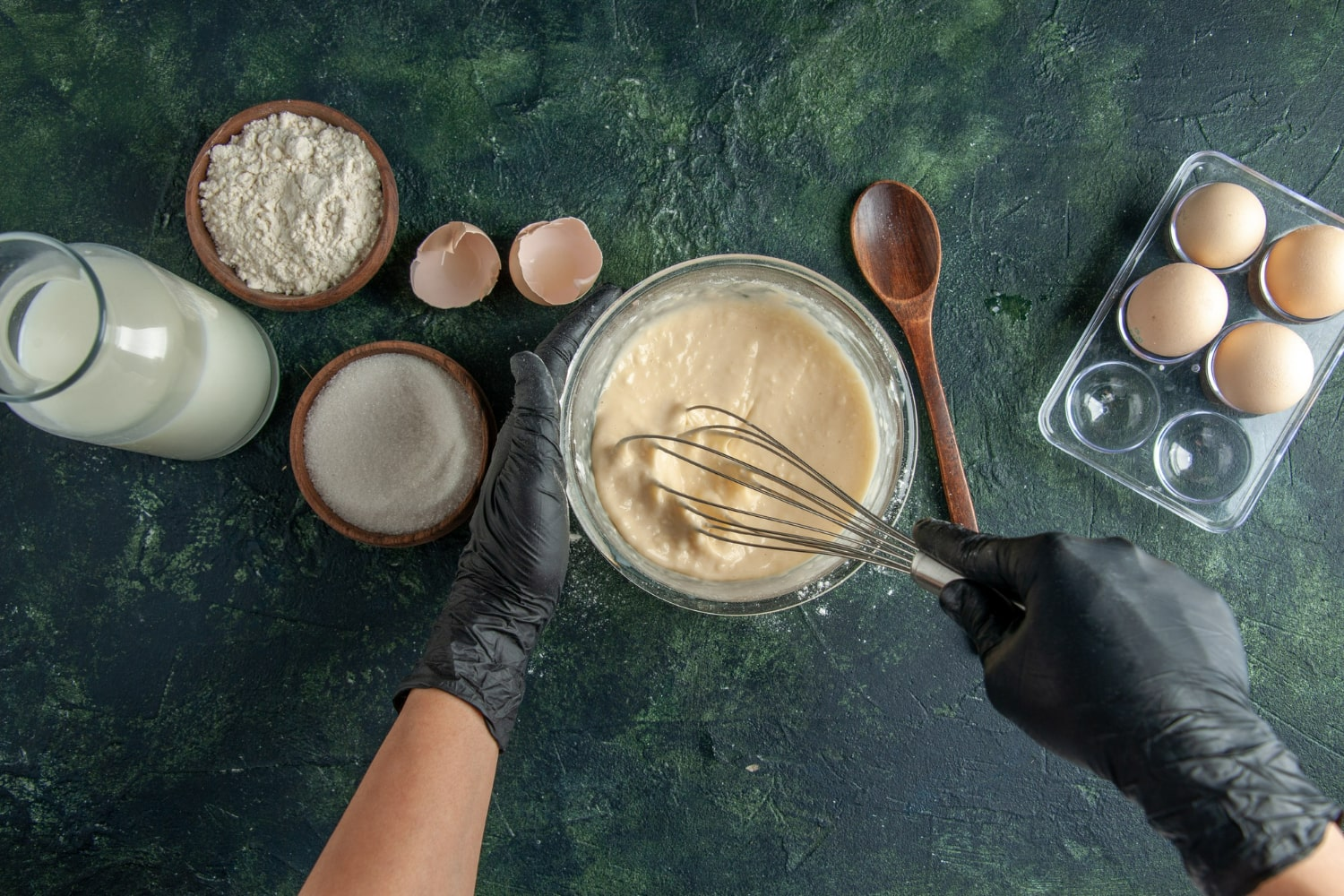
To create a soft dough when making this Nigerian agege bread recipe. Combine the flour mixture, yeast, and egg mixture. For this process, you can either use a stand mixer or an electric hand mixer. If more flour is required, add it; the amount you need will depend on how humid your kitchen is. Start with 4.5 cups of flour and keep adding more as you go make sure not to add too much flour as this may make the dough become very thick.
Knead the Bread
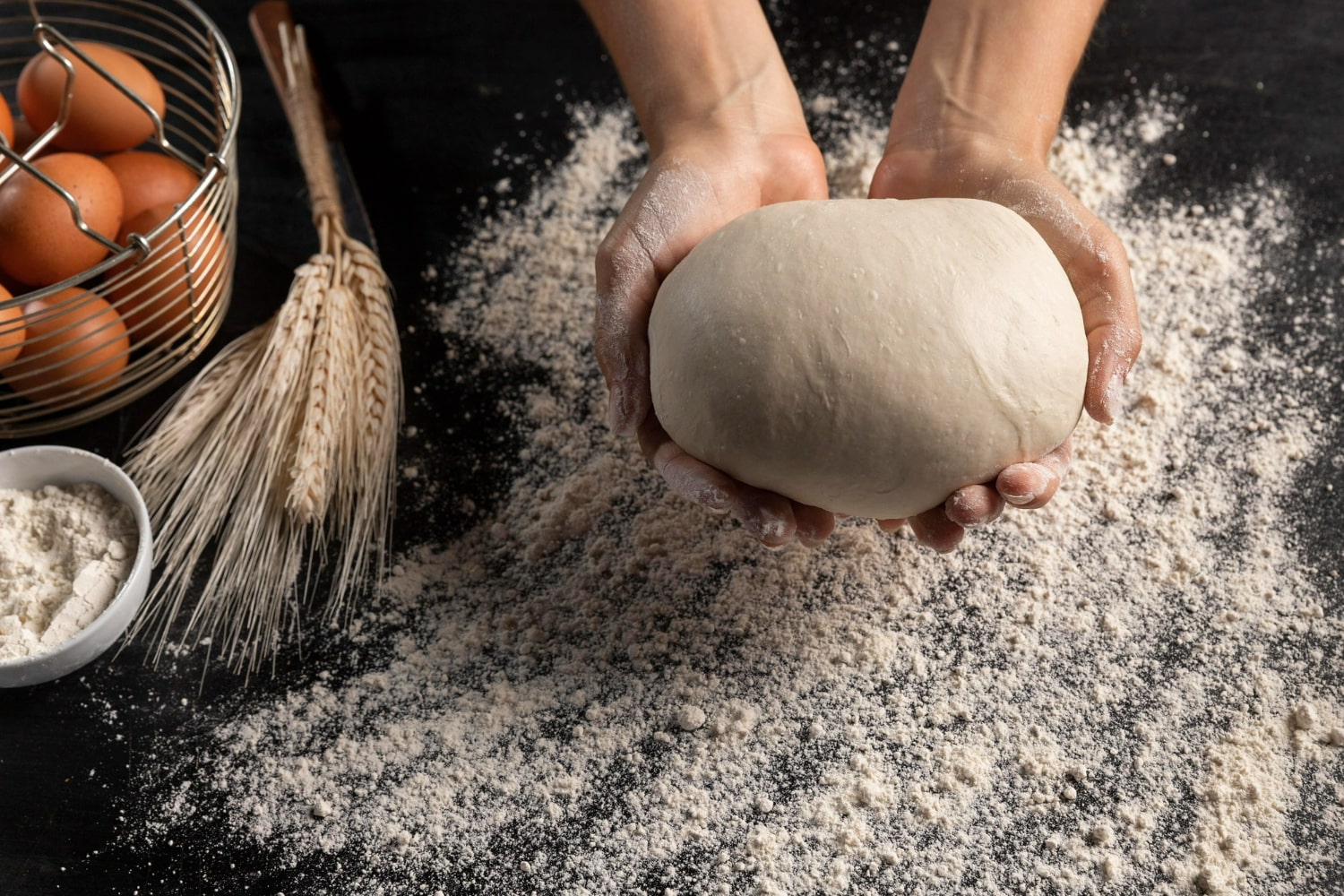
If you’re using a mixer, after the dough has finished mixing, turn it out onto a lightly floured surface and knead it until it is elastic and smooth. Or simply stir until you have stretchy dough is —that is the secret to baking bread.
If the dough is ready, you should be able to take a piece of it and stretch it to a very thin membrane before it breaks meaning it’s sticky dough (you don’t want stiff dough) and perfect to rest.
Proofing Agege Bread
Form the dough into a ball by kneading it. Place the dough in the greased bowl, then cover it with a damp cloth. Wait until the dough doubles in size. About 50 minutes are needed for this.
More Kneading
The dough should be flattened out and divided into five sections of loaves before being punched down. Knead into balls. It should be covered with cling film or a plastic wrap and let 10 minutes to rest in a warm place.
Each roll should be shaped and placed into a greased bread pan, brush melted butter on the dough before covering it with a damp towel and allow it to double in size. This will take another 50 minutes or more.
Bake the Bread
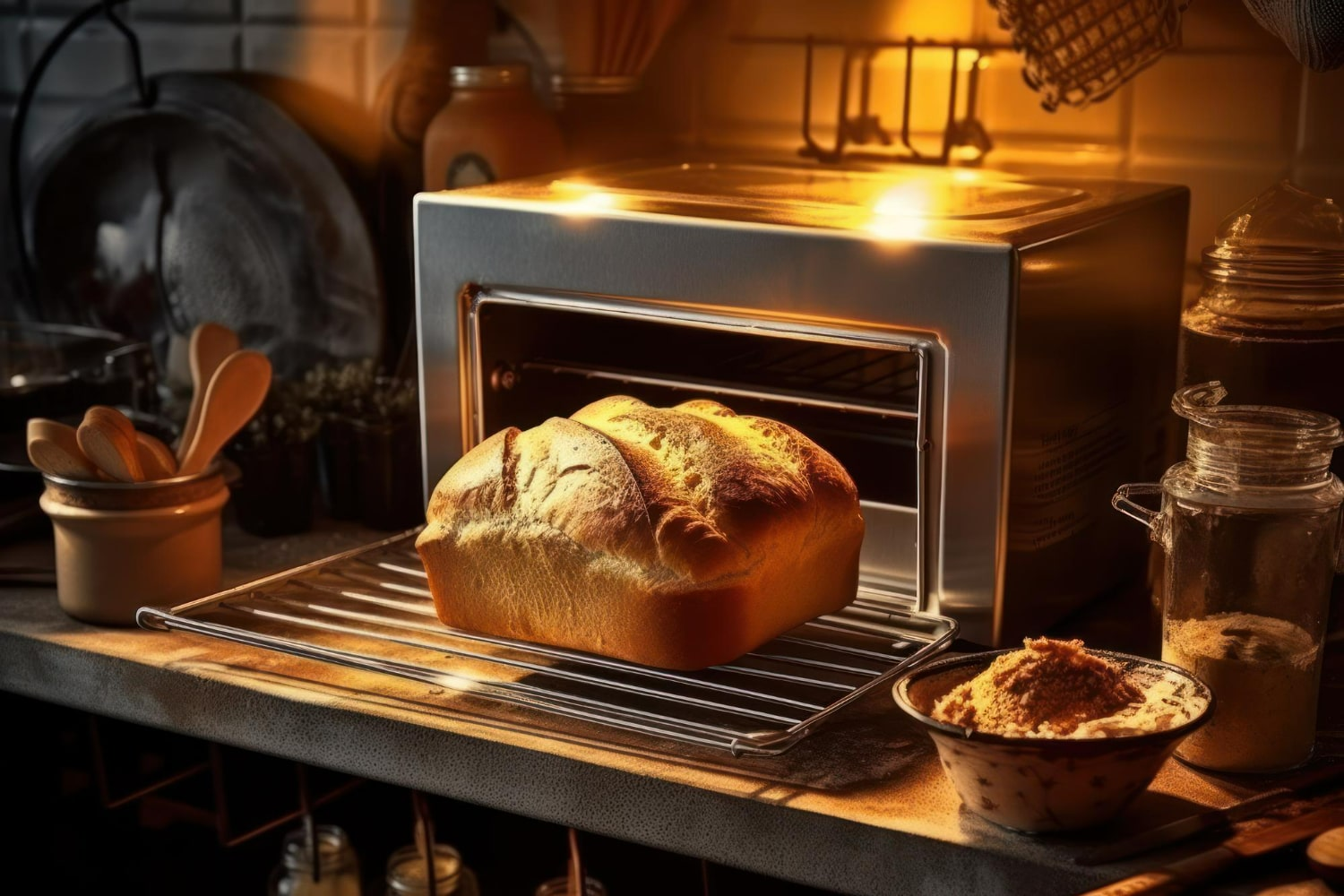
First, preheat the oven to 350 degrees F for about 10 – 15 minutes. Bake bread in preheated oven and bake at 180 degrees Centigrade (370F) for 30 minutes. After the 1st 15 minutes egg wash the bread this will give it a shiny glaze. Once it’s golden brown the bread is baked.
There you have it, loaves of homemade agege bread.
Tips to making Nigerian Agege Bread Recipe
Use Warm Water for Yeast Activation: Ensure the water you use to activate the yeast is warm (around 110°F or 43°C). Too hot or too cold water can affect the yeast’s performance.
Proof the Yeast Properly: Let the yeast mixture sit for at least 10 minutes or until it becomes frothy. This indicates that the yeast is active and ready to use.
Knead the Dough Well: Kneading the dough thoroughly (for about 10-15 minutes) helps develop gluten and ensures a soft, elastic texture in the final bread. Use a floured surface to prevent sticking.
Be Mindful of the Dough Consistency: Gradually add water to the dough and adjust as needed. The dough should be soft and slightly sticky but still manageable. Avoid making it too wet by adding water slowly.
Allow Sufficient Rising Time: Let the dough rise until it doubles in size during both the first and second rising stages. The rising times may vary depending on the temperature in your kitchen.
Punch Down the Dough: After the first rise, gently punch down the dough to release any excess air bubbles. This helps maintain the bread’s softness.
Shape the Loaves Carefully: When shaping the dough into loaves for the second rise, handle it gently to avoid deflating it. Place the loaves seam-side down in the pans for a smoother appearance.
Grease the Loaf Pans: Grease the loaf pans generously with vegetable oil to prevent the bread from sticking.
Preheat Your Oven: Ensure your oven is fully preheated to the specified temperature before placing the bread inside. This helps achieve even baking.
Check for Doneness: – Bake the bread until it turns golden brown on top and sounds hollow when tapped on the bottom. This ensures the bread is fully cooked and not doughy in the center.
Cool Properly: – Allow the baked Agege bread to cool in the pans for a few minutes before transferring them to a wire rack to cool completely. This prevents the crust from becoming too soft.
What to Serve with Agege Bread
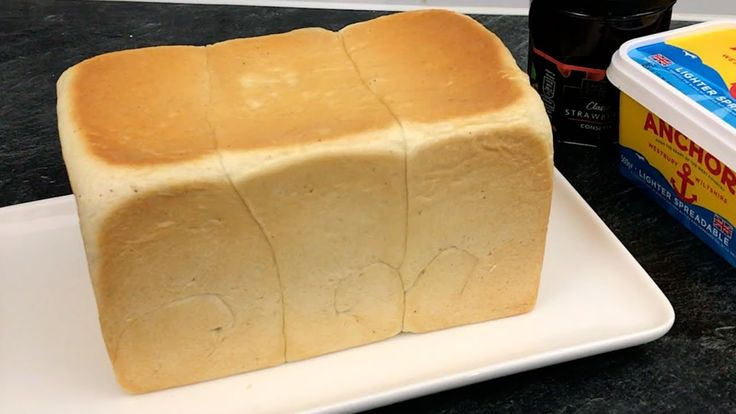
Butter and Jam: Spread some butter and your favorite jam or fruit preserves on slices of Agege bread for a simple and delicious breakfast or snack.
Egg Sandwich: Make a tasty egg sandwich by adding fried or scrambled eggs, cheese, and some veggies between two slices of Agege bread.
Sardine or Tuna Sandwich: Create a sandwich by spreading canned sardines or tuna mixed with mayonnaise or a spicy sauce on your Agege bread. Add lettuce, tomato, and onions for extra flavor.
Peanut Butter: Spread creamy or crunchy peanut butter on Agege bread for a quick and satisfying snack or breakfast.
Akara: Akara is a popular Nigerian snack made from deep-fried bean cakes. You can serve slices of Agege bread with akara for a filling and flavorful meal.
Ewa Agoyin: Ewa Agoyin is a Nigerian dish made from mashed beans served with a spicy sauce. Enjoy Agege bread alongside Ewa Agoyin for a unique combination of flavors and textures.
Stews and Soups: Use Agege bread to dip into hearty stews and soups, such as Nigerian pepper soup, okra soup, or vegetable soup. The bread’s soft texture complements the richness of the soups.
Tea or Coffee: Agege bread pairs well with a hot cup of tea or coffee, making it a great choice for a quick breakfast or afternoon snack.
Grilled Sandwiches: Make grilled cheese sandwiches, chicken sandwiches, or any other favorite sandwich fillings using Agege bread. The bread’s softness and slightly sweet flavor work well with a variety of fillings.
Moi Moi: Moi Moi is a Nigerian steamed bean pudding. Serve slices of Agege bread with Moi Moi for a satisfying and nutritious meal.
Akamu/Pap: Enjoy Agege bread with Nigerian akamu or pap, a traditional fermented cornmeal porridge. Dip the bread into the pap for a comforting meal.
Frequently Asked Questions (FAQ)
Where to Buy Agege Bread in the UK?
If you’re not in the mood to make bread and are looking for a place to buy quality agege bread why not to buy fresh Agege Bread from our African Grocery Store?
Conclusion
Making Agege bread brings not only the satisfaction of creating a beloved Nigerian staple but also the delight of savoring its unique flavor and texture. With this recipe you should be able to do just that.




 Niyis Afro Caribbean Cuisines and Groceries
Leave a comment