
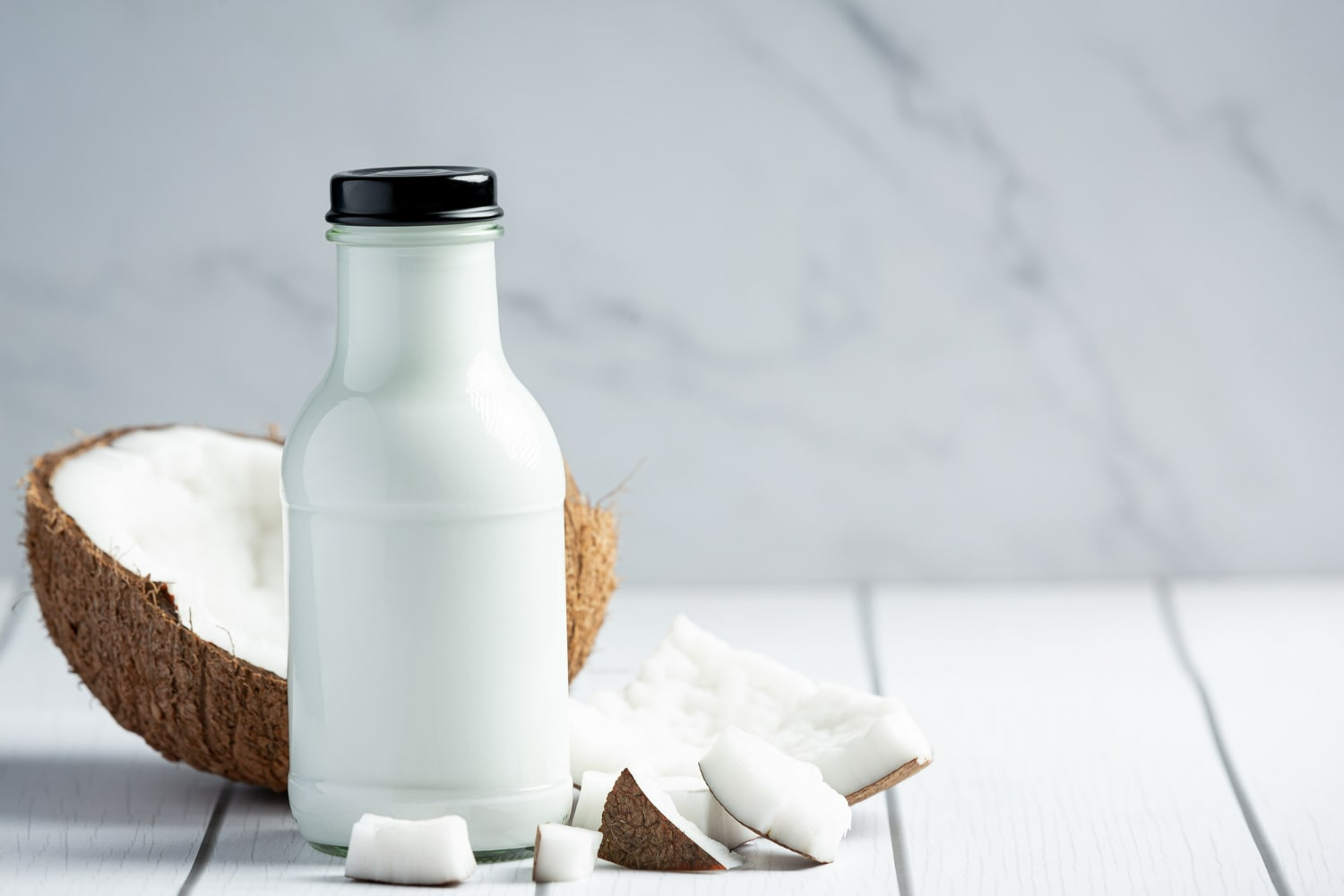
In the realm of dietary choices and food sensitivities, the quest for suitable alternatives has led many individuals to explore non-dairy options. Among these, coconut milk has emerged as a versatile and popular choice for those seeking a dairy-free lifestyle.
With its rich and creamy texture, coconut milk has found its way into a variety of dishes, from curries to desserts, offering a tantalizing substitute for traditional dairy milk. However, as the demand for dairy-free options continues to rise, a crucial question lingers: Is coconut milk truly dairy-free?
What is Coconut Milk?
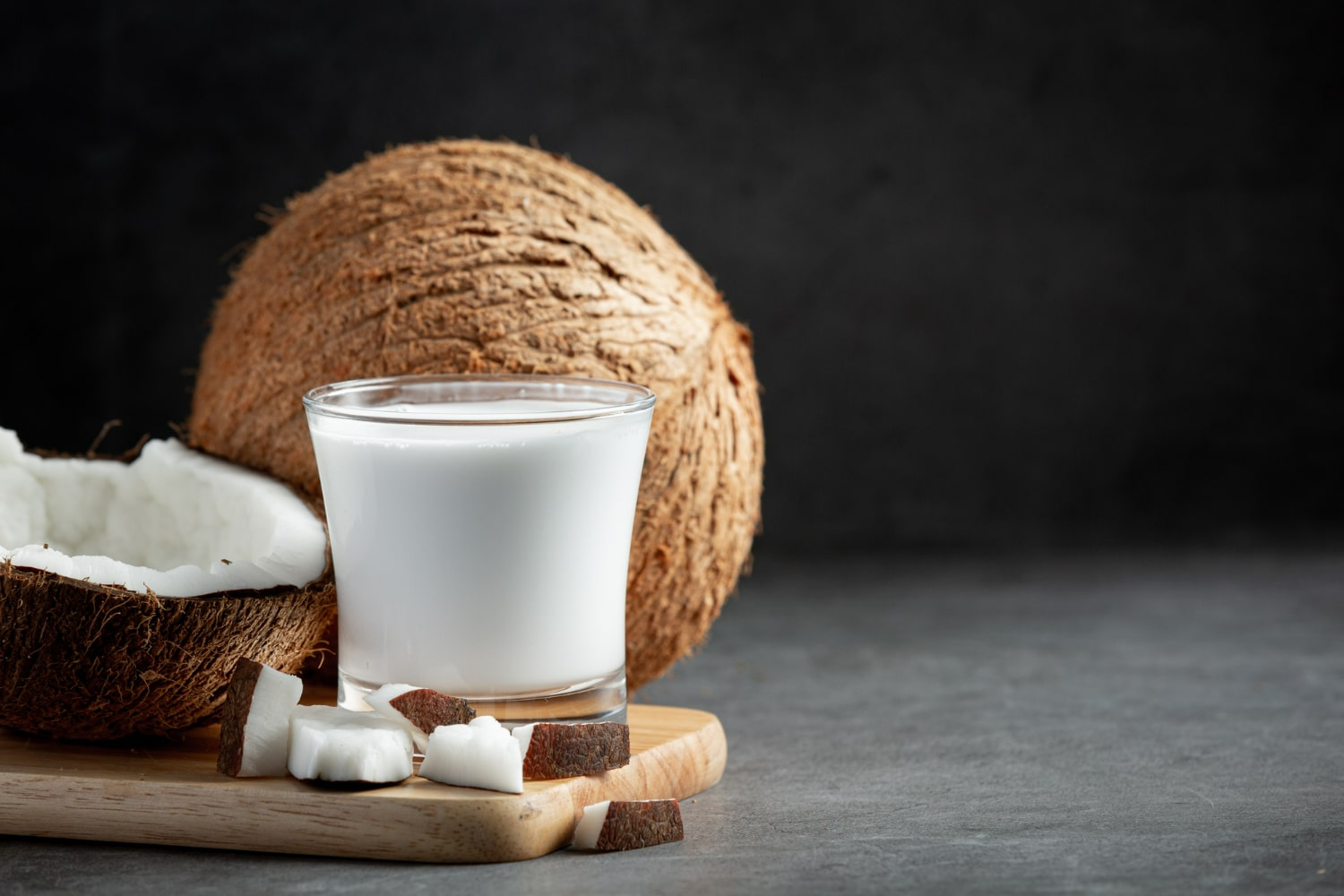
Coconut milk is a creamy, white liquid extracted from the flesh of cocojnuts. It is a staple ingredient in many cuisines around the world, particularly in tropical regions where coconuts are abundant.
To obtain coconut milk, the flesh of the coconut is grated, blended, or shredded, and then mixed with water. The mixture is strained to extract the liquid, resulting in the thick and creamy substance known as coconut milk.
How is Coconut Milk Made?
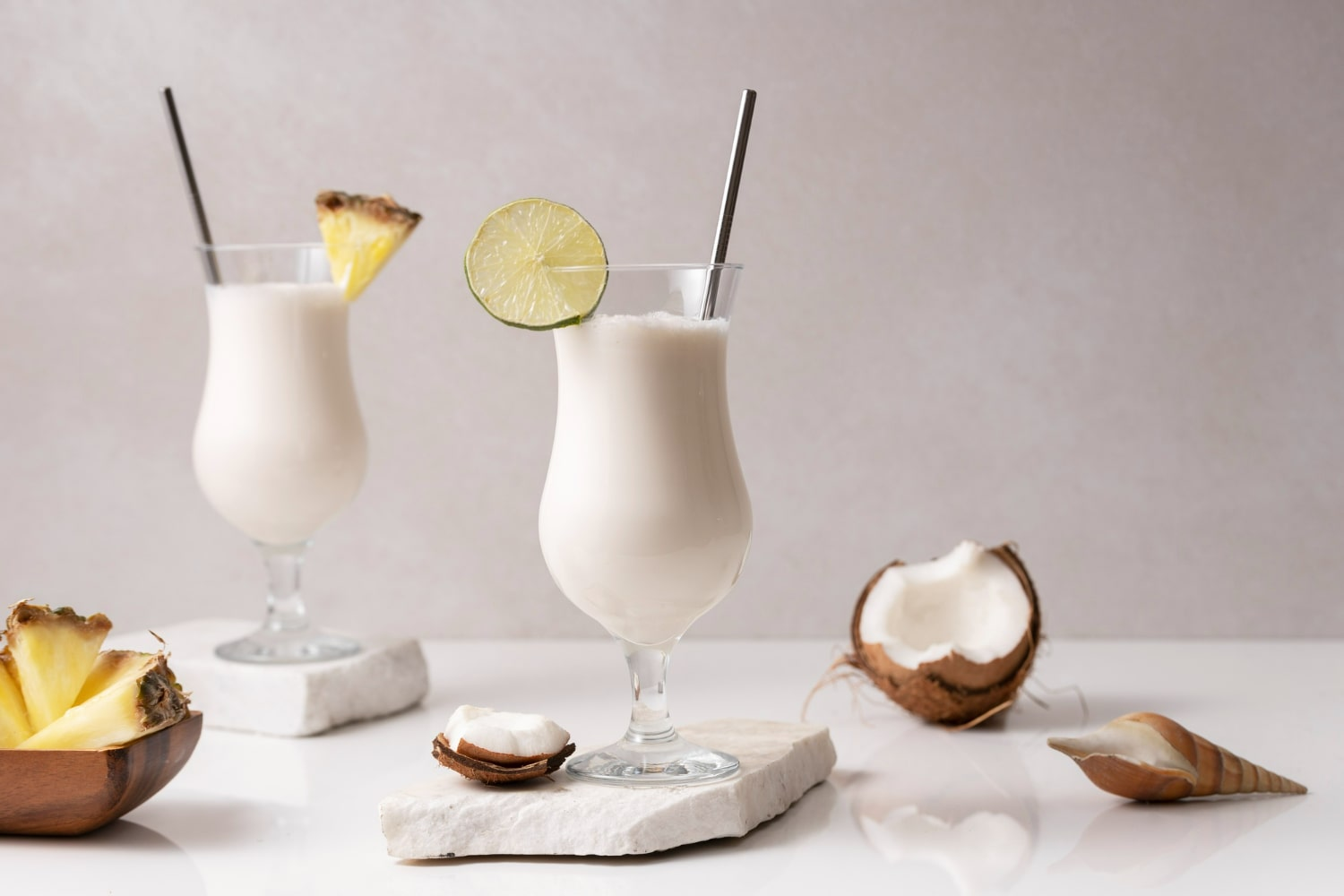
Coconut milk is made through a relatively simple process that involves extracting the creamy liquid from the grated flesh of mature coconuts. Here’s a step-by-step guide to how coconut milk is typically made:
Choose mature coconuts that have a hard, brown shell. The coconuts have thicker and meatier flesh, which yields more coconut milk.
Begin by cracking open the coconuts to access the white flesh inside. You can use a hammer or a heavy knife to carefully crack the shell.
Use a coconut grater or a knife to carefully remove the white flesh from the coconut shell. The flesh can be grated, shredded, or sliced into smaller pieces to facilitate the extraction process.
Place the grated or chopped coconut flesh in a blender or food processor. Add some water to the blender to help with the extraction process.
Blend the coconut and water mixture until the coconut flesh is finely ground and the mixture becomes a thick, creamy consistency.
Pour the blended mixture through a fine mesh strainer or cheesecloth into a bowl or container. This step helps separate the liquid coconut milk from the solid coconut pulp.
The liquid that you strain out after the first blending and straining is known as the first extraction or thick coconut milk. It has a higher fat content and a richer flavor.
After the first extraction, you can add more water to the leftover coconut pulp in the blender. Blend again and strain to extract a thinner coconut milk. This is known as the second extraction or thin coconut milk and has a lower fat content.
The extracted coconut milk can be used immediately in recipes or stored in the refrigerator for a few days. Over time, the coconut cream may separate from the water, creating a layer of thick cream on top.
Nutritional Content of Coconut Milk
The nutritional profile of coconut milk can vary based on factors such as the type of coconut milk (canned or homemade), whether it’s diluted, and whether it’s sweetened or unsweetened. Below is a general overview of the nutritional content of one cup (240 ml) of canned, unsweetened coconut milk:
- Calories: Approximately 445 calories
- Total Fat: About 48 grams
- Carbohydrates: Approximately 6 grams
- Dietary Fiber: About 2.2 grams
- Sugars: Around 2.5 grams
- Protein: Approximately 5 grams
Top 5 health benefits of Coconut Milk
Coconut milk is a notable source of medium-chain triglycerides (MCTs), which are healthy fats that can be quickly absorbed and metabolized by the body for energy. MCTs are known to support weight management, enhance cognitive function, and provide a readily available energy source.
Despite being high in saturated fats, the saturated fats in coconut milk mainly consist of medium-chain fatty acids, which have been suggested to have a neutral or even positive impact on heart health. Additionally, the lauric acid found in coconut milk may help raise HDL (good) cholesterol levels, improving the overall cholesterol profile.
Coconut milk is rich in essential minerals such as manganese, copper, and iron.
Manganese supports bone health and enzyme function, copper plays a role in red blood cell production and collagen synthesis, and iron is essential for oxygen transport in the blood.
The lauric acid in coconut milk has antibacterial, antiviral, and antifungal properties that can help support the immune system. Lauric acid is also found in human breast milk and is known to have immune-boosting effects.
Coconut milk contains phosphorus and calcium, which are crucial for maintaining strong and healthy bones. These minerals, along with the manganese present in coconut milk, contribute to bone mineralization and density.
Is Coconut Milk the same as Coconut Water?
Coconut milk and coconut water are two distinct liquids derived from different parts of the coconut fruit. Coconut water is the clear, naturally occurring liquid found inside young green coconuts. It is often referred to as “nature’s electrolyte drink” because of its high potassium content and hydration benefits. Coconut water has a mild, slightly sweet taste.
In contrast, coconut milk is made by blending or grating the flesh of mature coconuts and then squeezing out the liquid. It has a creamy, thick consistency and is commonly used in cooking and as a dairy milk substitute in various sweet and savory dishes. Coconut milk has a rich, coconut flavor and is often used in savory and sweet dishes.
Is Coconut Milk healthier than Dairy Milk?
Coconut milk and dairy milk are distinct options with varying nutritional profiles. Coconut milk, derived from coconuts, is naturally lactose-free and suitable for vegans. It’s rich in medium-chain triglycerides (MCTs), which offer quick energy and potential health benefits.
On the other hand, dairy milk contains essential nutrients like calcium, vitamin D, and protein. It promotes bone health and supports overall growth. However, it can be problematic for those with lactose intolerance or dairy allergies.
Coconut milk is lower in calories but higher in saturated fat than dairy milk. While MCTs may support weight loss and heart health, saturated fat in excess could raise cholesterol levels.
Ultimately, the choice depends on dietary preferences and health considerations like lactose intolerance. Both have their merits and can be part of a balanced diet when chosen wisely.
People with lactose intolerance have difficulty digesting lactose, the sugar found in cow’s milk. Coconut milk is naturally lactose-free, making it a suitable option for those with a milk allergy
For those looking to reduce saturated fat intake, coconut milk can be a lower-saturated-fat milk substitute to whole dairy milk. However, it’s essential to consume it in moderation to avoid excessive saturated fat intake.
Coconut Milk Health Risks
High Saturated Fat Content: Coconut milk is relatively high in saturated fat, particularly compared to other plant-based milk alternatives like almond or soy milk. Consuming too much saturated fat can raise cholesterol levels and potentially increase the risk of heart disease. It’s advisable to use coconut milk in moderation and as part of a balanced diet.
Calorie Density: Coconut milk is calorie-dense, meaning it contains a significant number of calories per serving. If you’re trying to manage your weight, you should be mindful of portion sizes when using coconut milk, as excessive calorie intake can contribute to weight gain.
Low Protein Content: Coconut milk is not a good source of protein. If you rely on it as a primary source of nutrition, you may miss out on the essential protein your body needs for various functions, including muscle development and tissue repair. Ensure you incorporate other protein-rich foods into your diet.
Allergies: While coconut allergies are relatively rare, they do exist. Some individuals may experience allergic reactions to coconut milk, which can range from mild skin irritations to more severe symptoms. If you suspect a coconut allergy, consult a healthcare professional for evaluation and guidance.
Bone Health: Coconut milk is not a significant source of calcium, a crucial nutrient for bone health. If you rely on coconut milk as your primary milk source, you may need to consider calcium-fortified options or include other calcium-rich foods in your diet to support your bones.
Interactions with Medications: Coconut milk may interact with certain medications or affect their absorption in the body. If you are on medication, consult with your healthcare provider to ensure there are no adverse interactions.
How to make Homemade Coconut Milk
If you’re looking to make some Coconut milk yourself here’s a quick recipe to do just that:
Ingredients
- 1-2 fresh coconut (you can find these at most grocery stores)
- Hot water
Equipment
- Blender or food processor
- Cheesecloth or nut milk bag
- Bowl
- Grater (optional)
- Knife
Instructions
Select Mature Coconuts: Choose coconuts that are mature, as they contain more coconut flesh and richer milk. You can tell if a coconut is mature by its hard, brown shell.
Prepare the Coconut: To open the coconut, you can either crack it open or make a hole in the eyes (the three small indentations) and drain the water.
If you choose to crack it, use a hammer or a heavy object to break it open. Be cautious and wear gloves if needed.
Once the coconut is open, use a knife to separate the flesh from the shell. You can also use a grater to remove the flesh more easily.
Blend the Coconut Flesh: Cut the coconut flesh into small pieces and place them in a blender or food processor.
Add hot water to the blender. The amount of water you add will depend on how thick or thin you want your coconut milk. Start with a 1:1 ratio (1 part coconut to 1 part hot water) for a thicker milk or use more water for a thinner consistency.
Blend the coconut and hot water together for several minutes until it becomes a creamy mixture.
Strain the Mixture: Place a piece of cheesecloth or a nut milk bag over a bowl or large jug.
Pour the blended coconut mixture through the cheesecloth or nut milk bag to strain out the coconut pulp. You may need to use your hands to squeeze and extract as much liquid as possible.
Collect the Milk: Gather the edges of the cheesecloth or nut milk bag and twist it to extract coconut milk that may remain.
You’ll be left with fresh, homemade coconut milk in the bowl or jug.
Store the Coconut Milk: Transfer the coconut milk to a clean, airtight container or bottle.
Store it in the refrigerator for up to 3-4 days. Shake or stir before using, as natural separation may occur.
There you have it fresh coconut milk.
Coconut Milk Recipes
Here’s a list of a few coconut milk beverages you can try:
Coconut Milk Smoothie:
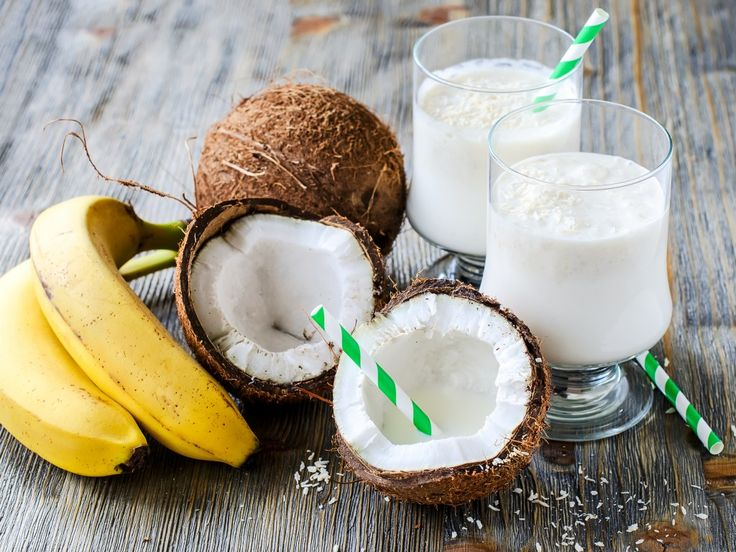
- Ingredients:
- 1 cup coconut milk
- 1 ripe banana
- 1/2 cup frozen berries (strawberries, blueberries, or mixed berries)
- 1 tablespoon honey or maple syrup (optional for sweetness)
- 1/2 teaspoon vanilla extract (optional)
- Instructions:
- Blend all the ingredients in a blender until smooth and creamy.
- Pour into a glass and enjoy your refreshing coconut milk smoothie.
Coconut Iced Coffee:

- Ingredients:
- 1 cup strong brewed coffee, cooled
- 1/2 cup coconut milk
- 2-3 tablespoons sweetened condensed milk (adjust to taste)
- Ice cubes
- Instructions:
- Combine the cooled coffee and coconut milk in a glass.
- Stir in the sweetened condensed milk until well mixed.
- Add ice cubes and enjoy your homemade coconut iced coffee.
Coconut Horchata:

- Ingredients:
- 1 cup long-grain white rice
- 4 cups water
- 1 cup coconut milk
- 1/2 cup sugar
- 1/2 teaspoon vanilla extract
- Ground cinnamon, for garnish
- Instructions:
- Rinse the rice under cold water until the water runs clear.
- In a blender, combine the rinsed rice and 4 cups of water. Blend until smooth.
- Strain the rice mixture through a fine-mesh sieve or cheesecloth into a pitcher.
- Add coconut milk, sugar, and vanilla extract. Stir until the sugar dissolves.
- Chill in the refrigerator for at least 2 hours.
- Serve over ice, garnished with ground cinnamon.
Coconut Milk Hot Chocolate:

- Ingredients:
- 2 cups coconut milk
- 2 tablespoons unsweetened cocoa powder
- 2 tablespoons honey or maple syrup (adjust to taste)
- 1/2 teaspoon vanilla extract
- Pinch of salt
- Instructions:
- In a saucepan, whisk together the coconut milk, cocoa powder, honey or maple syrup, vanilla extract, and salt.
- Heat over medium heat, stirring constantly, until hot but not boiling.
- Pour into mugs and enjoy your creamy coconut milk hot chocolate.
Does Coconut Milk contain Lactose?
Coconut milk doesn’t contain lactose. Lactose is a form of sugar that is naturally present in dairy products like milk. Coconut milk is completely plant-based and lactose-free because it is made from the mature coconuts’ flesh. Because of this, people who are lactose intolerant or have a dairy allergy and cannot consume dairy milk can use coconut milk as a substitute.
Where to buy Canned Coconut Milk?
You can buy Coconut Milk from your local supermarket, if you’re in the UK and are looking to buy quality Coconut Milk why not try our African Grocery Store?
Conclusion
Coconut milk is indeed dairy-free, offering a versatile and plant-based alternative to dairy milk. As a lactose-free option, it is well-suited for those with lactose intolerance or dairy allergies.
With its rich, tropical flavor and numerous culinary applications, coconut milk has become a favorite among vegans, vegetarians, and health-conscious individuals seeking a dairy-free lifestyle.
Whether used in cooking, baking, or enjoyed as a beverage, coconut milk’s unique qualities make it a valuable addition to a diverse and inclusive world of dietary choices.




 Niyis Afro Caribbean Cuisines and Groceries
Leave a comment