
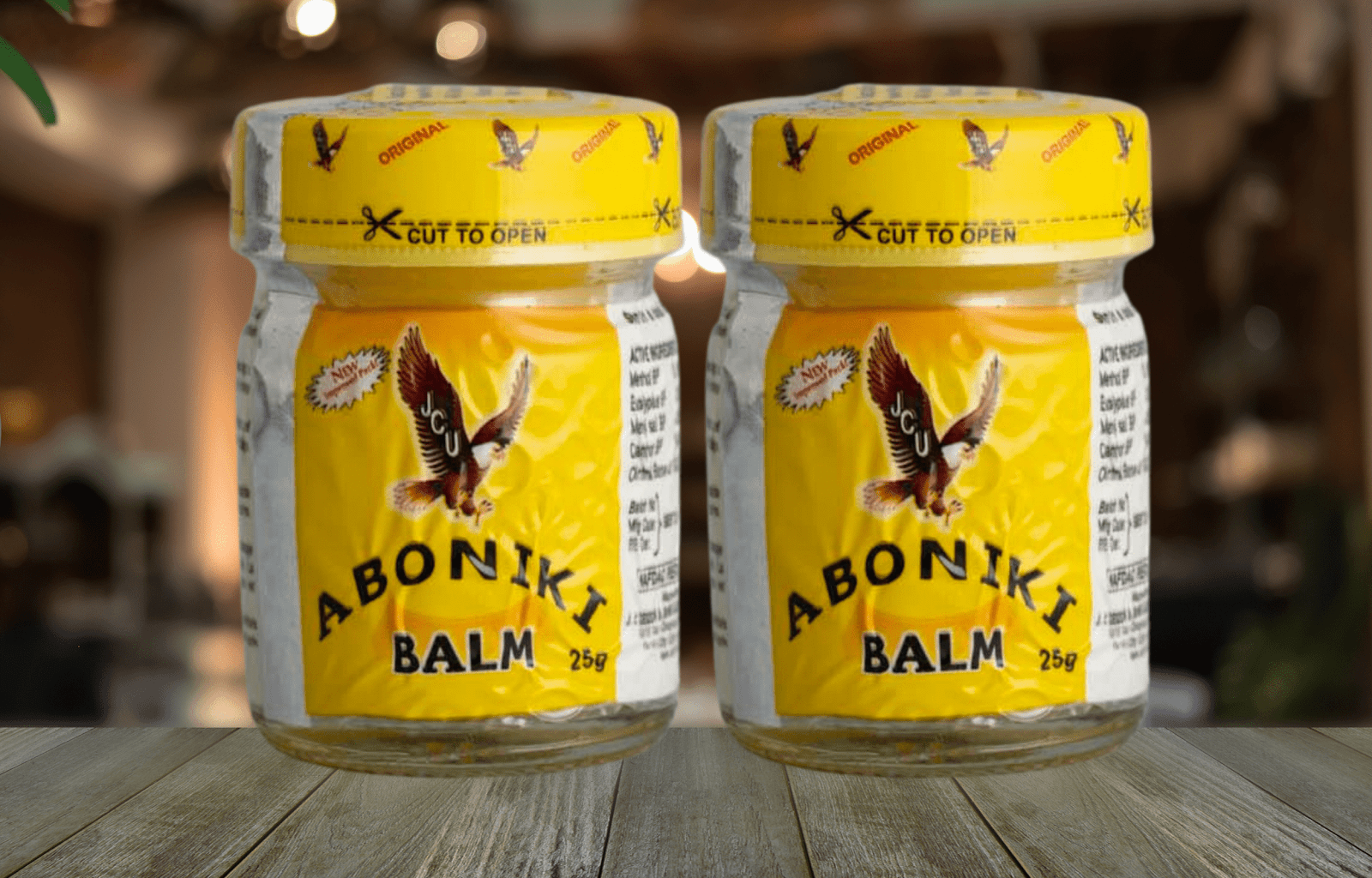
In the realm of traditional medicine and herbal remedies, some names have withstood the test of time, offering solace and healing to generations. Aboniki Balm is one such iconic creation, celebrated for its potent therapeutic properties and versatility. Originating in Nigeria, this aromatic balm has transcended borders, earning a cherished place in medicine cabinets around the world.
In this article, we embark on a journey to explore the enigmatic world of Aboniki Balm. From its origins to its multifaceted uses and the science behind its effectiveness, we unravel the secrets of this age-old herbal remedy.
What is Aboniki Balm?
Aboniki Balm is a well-known herbal ointment or balm that has its origins in Nigeria. It is renowned for its therapeutic and medicinal properties, often used to provide relief from various common ailments and discomforts. This balm is popular not only in Nigeria but also in many other countries around the world.
Where is Aboniki Balm From?
Aboniki Balm is a herbal balm that originates from Nigeria. It is a well-known traditional herbal remedy that has been used in Nigeria for many years. Aboniki Balm is celebrated for its therapeutic properties and is commonly used for various purposes, including relief from muscular aches and pains, respiratory issues, headaches, and skin discomforts.
Aboniki Balm Ingredients
Menthol: Menthol is a natural compound derived from mint plants and is known for its cooling and soothing properties. It provides a refreshing sensation when applied to the skin and helps relieve pain and discomfort.
Camphor: Camphor is another aromatic substance derived from the wood of camphor trees. It has analgesic and anti-inflammatory properties and is often used to ease muscular and joint pain.
Eucalyptus Oil: Eucalyptus oil is known for its pleasant aroma and has been traditionally used to alleviate respiratory issues. It can help relieve congestion and open up the airways.
Methyl Salicylate: Methyl salicylate is derived from wintergreen oil and acts as a counter-irritant. It can help relieve pain by creating a warming or cooling sensation on the skin.
Olive Oil: Olive oil is often used as a base or carrier oil in Aboniki Balm, helping to dilute the potent essential oils and moisturize the skin.
Mentha Oil: Mentha oil, derived from mint plants, adds to the balm’s minty fragrance and cooling effect.
Paraffin Wax: Paraffin wax is used to create the balm’s solid texture and maintain its consistency.
Petrolatum: Petrolatum, a semi-solid mixture of hydrocarbons, is commonly used in skincare products to lock in moisture and provide a protective barrier on the skin.
What is Aboniki Balm Used For?

Aboniki Balm is a versatile herbal balm known for its wide range of uses and therapeutic properties. It is often used to provide relief from various common ailments and discomforts. Some of the common uses of Aboniki Balm include:
Pain Relief
Aboniki Balm is used topically to alleviate muscular aches and pains. It can provide relief from joint pain, muscle soreness, and discomfort associated with conditions like arthritis.
Respiratory Relief
The balm’s aromatic ingredients, such as menthol and eucalyptus oil, can help clear congestion and provide comfort for respiratory issues like colds, coughs, and sinus congestion. It is often applied to the chest and throat area.
Headache Relief
Some individuals apply Aboniki Balm to the temples or forehead to help relieve tension headaches and migraines. The cooling sensation can provide comfort and relaxation.
Soothing Skin Irritations
Aboniki Balm’s cooling and soothing properties make it suitable for relieving minor skin irritations, insect bites, itching, and rashes.
Muscle Relaxation
It is commonly used as a massage balm to relax and soothe tired muscles. The balm’s minty fragrance and warming or cooling effect enhance the massage experience.
Aromatherapy
Inhaling the aromatic properties of Aboniki Balm can promote relaxation and a sense of calm. It is often used in aromatherapy to provide relief from stress and tension.
Lunar Pain Relief
Some women use Aboniki Balm to alleviate the discomfort associated with menstrual cramps by gently massaging it onto the lower abdomen.
Insect Repellent
The balm’s strong scent may help deter insects, and some people use it to prevent bug bites.
Aboniki Balm Side Effects
Aboniki Balm is generally considered safe when used as directed, but like any topical product, it may cause side effects or adverse reactions in some individuals. Common side effects and considerations associated with Aboniki Balm use include:
Skin Irritation
The balm contains ingredients like menthol, camphor, and eucalyptus oil, which can cause skin irritation, redness, or a burning sensation in some people, especially those with sensitive or allergy-prone skin.
Allergic Reactions
Individuals with allergies to any of the balm’s ingredients may experience allergic reactions, such as itching, hives, rash, or swelling. It’s essential to perform a patch test on a small area of skin before using Aboniki Balm more extensively.
Eye Irritation
Avoid getting Aboniki Balm in or near the eyes, as the ingredients can cause irritation or discomfort if they come into contact with the eyes.
Overuse
Using too much balm or applying it too frequently may lead to overuse. This can potentially result in skin dryness, over-sensitivity, or an excessive cooling or warming sensation.
Sensitivity to Sunlight
Some of the ingredients in Aboniki Balm, particularly citrus oils, may make the skin more sensitive to sunlight. If you apply the balm to areas exposed to the sun, it can increase the risk of sunburn. Using sunscreen is advisable if you apply the balm during the daytime.
Pregnancy and Breastfeeding
Pregnant and breastfeeding individuals should consult a healthcare professional before using Aboniki Balm to ensure it is safe for use during these periods.
How do you use Aboniki balm for pain?
Before applying Aboniki Balm, ensure that the skin on the affected area is clean and dry.
Use your fingers to take a small amount of Aboniki Balm from the container. You don’t need to use a large quantity; a little goes a long way.
Gently massage the balm onto the painful or sore area. Use a circular or rubbing motion to help the balm penetrate the skin. Make sure to cover the entire area that requires pain relief.
While applying the balm, you can also gently massage the area to enhance its absorption and stimulate blood flow to the affected region. This can provide additional relief.
After applying the balm, wash your hands thoroughly to remove any residue, especially if you have sensitive skin or if you’re concerned about accidentally transferring the balm to other areas.
Be cautious when using Aboniki Balm near sensitive areas, such as the eyes, mucous membranes, or open wounds, to prevent irritation or discomfort.
Allow the balm to remain on your skin. It will continue to provide pain relief as it is absorbed.
Depending on the severity of your pain and the duration of relief needed, you can reapply Aboniki Balm every few hours or as directed on the product label.
Where To Buy Aboniki Balm
If you’re in the UK you can find and purchase Aboniki Balm at our African Food Store.
Conclusion
In conclusion, Aboniki Balm stands as a time-honored remedy, transcending borders to become a trusted companion in the pursuit of relief from aches and discomfort. Its potent blend of natural ingredients, including menthol and camphor, offers a cooling embrace for sore muscles and joints, making it a cherished analgesic in traditional medicine. From its origins in Nigeria to its global recognition, Aboniki Balm continues to provide comfort and solace, albeit with a minty tinge. Whether you seek respite from muscular pains, respiratory congestion, or simply a moment of aromatic relaxation, this herbal balm has secured its place as a versatile and enduring ally in the realm of natural remedies.
Frequently Asked Question (FAQ)
Does Aboniki Balm Reduce Swelling?
Aboniki Balm contains ingredients such as menthol and camphor, which have cooling and anti-inflammatory properties. These properties can provide a soothing and cooling sensation when applied to the skin. As a result, the balm may help reduce mild swelling in certain situations, such as swelling caused by minor injuries or inflammatory conditions like muscle soreness or joint pain.
The cooling effect of Aboniki Balm can help constrict blood vessels and reduce blood flow to the affected area, which may contribute to a temporary reduction in swelling and inflammation.
What Happens If You Put Aboniki Balm On Your Face?
If you put Aboniki Balm on your face, it can have several effects, but it’s generally not advisable for facial use due to the balm’s strong, aromatic, and potentially irritating ingredients. Aboniki Balm contains ingredients like menthol, camphor, and eucalyptus oil, which can be potent and may cause skin irritation, redness, burning, or a tingling sensation, especially on the sensitive skin of the face.
Is Aboniki Balm Good for Lips?
Aboniki Balm is not recommended for use on the lips. This is because it contains potent and aromatic ingredients, such as menthol, camphor, and eucalyptus oil, which can be quite strong and may lead to skin irritation or discomfort, especially on the sensitive skin of the lips.




 Niyis Afro Caribbean Cuisines and Groceries
Leave a comment