

Nestled within the heart of Jamaica’s vibrant gastronomy lies ackee – a fruit as captivating as it is flavorful. With its buttery texture and intriguing history, ackee has become an integral part of the island’s traditional dishes. Join us on a journey to uncover the mysteries of ackee, from its origins and preparation to the cultural significance it holds in Jamaica’s culinary heritage.
What is Ackee?

Ackee (Blighia sapida) is a tropical fruit native to West Africa but widely known and appreciated as a national fruit in Jamaica. It is not only enjoyed for its unique taste and texture but also holds cultural and historical significance.
The fruit is pear-shaped and typically bright red when ripe, revealing three cream-colored segments inside. These segments are the edible part of the fruit, while the black seeds within them are not consumed.
What Does Ackee Taste Like?
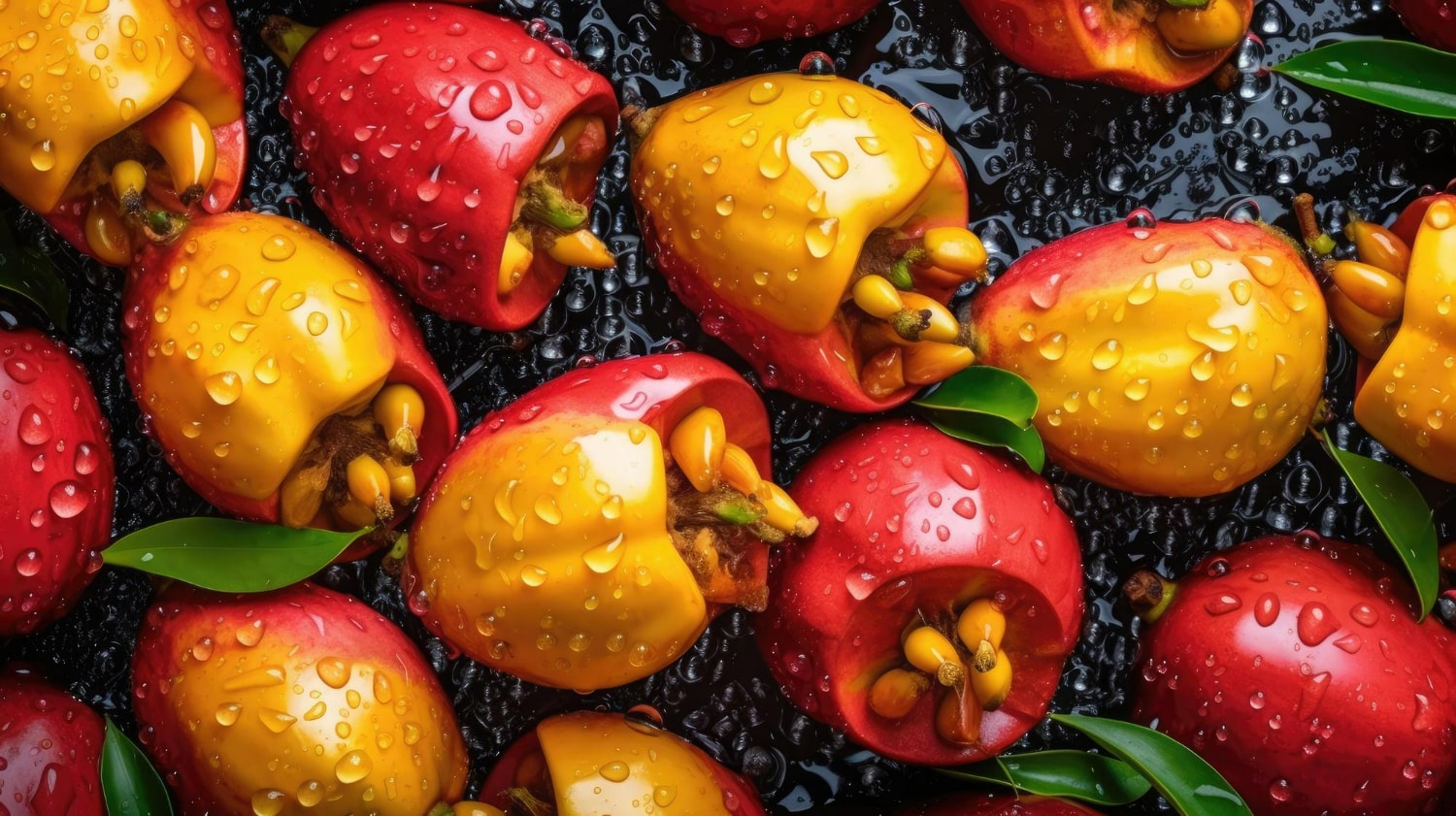
Ackee’s taste can be described as creamy and mild, with a delicate flavor that stands out in Jamaican cuisine.
When ripe, ackee carries a slight touch of sweetness that balances out its other flavors. This hint of sweetness complements the fruit’s creamy nature, making it an appealing addition to both savory and slightly sweet dishes.
When cooked, the flesh takes on a subtle buttery quality that melts in your mouth, creating a texture reminiscent of scrambled eggs.
Nutritional Value of Ackee
Here’s a rough estimate of the nutritional content per 3.5-ounce (100-gram) serving of cooked ackee:
- Calories: Approximately 151 kcal
- Carbohydrates: Around 9.9 grams
- Dietary Fiber: Roughly 2.3 grams
- Sugars: About 2.2 grams
- Protein: Approximately 2.1 grams
- Fat: Around 14.4 grams
Health Benefits of Ackee
Nutrient-Rich Profile: Ackee is a source of essential nutrients, including dietary fiber, vitamin C, vitamin A, and potassium. These nutrients play a vital role in supporting overall health and wellness.
Dietary Fiber: Ackee contains dietary fiber, which promotes digestive health by aiding in regular bowel movements and maintaining a healthy gut environment.
Vitamin C: The presence of vitamin C in ackee contributes to immune system support, as well as the production of collagen for healthy skin, cartilage, and blood vessels.
Vitamin A: Ackee is a source of vitamin A, which is essential for maintaining good vision, supporting skin health, and promoting proper immune function.
Antioxidant Properties: The antioxidants present in ackee help combat oxidative stress and reduce the risk of chronic diseases by neutralizing harmful free radicals in the body.
Heart Health: The potassium content in ackee contributes to heart health by helping regulate blood pressure and supporting proper heart function.
Low in Calories: Ackee is relatively low in calories, making it a suitable addition to balanced diets for those watching their caloric intake.
Is Ackee Poisonous?
Yes, certain parts of the ackee fruit can be poisonous if not handled and prepared correctly. The unripe fruit contains toxic compounds known as hypoglycin A and hypoglycin B. These compounds can cause a condition known as “Jamaican vomiting sickness” or “hypoglycemic syndrome” if consumed in significant amounts.
Consuming unripe ackee or improperly treated seeds can lead to symptoms such as vomiting, hypoglycemia (low blood sugar), seizures, and in severe cases, coma or death. The toxic compounds interfere with the body’s ability to convert certain amino acids into glucose, leading to low blood sugar levels.
To safely enjoy ackee, it’s crucial to follow these precautions:
- Harvest Ripe Ackee: Only consume ripe ackee pods. Ripe ackee pods open naturally on the tree, exposing the edible segments. Unripe ackee pods remain closed and should not be consumed.
- Proper Preparation: Careful preparation is essential. The edible segments of ripe ackee must be removed from the fruit’s inner membrane and the toxic seeds before cooking. Boiling the segments in water can help remove any remaining toxins.
- Thorough Cooking: Cook the ackee segments until they are fully tender and have turned a bright yellow color. The cooking process helps break down and neutralize the toxic compounds.
How to Cook Ackee
Cooking ackee involves a few key steps to ensure that the fruit is safe to eat and that its unique flavors and textures are properly preserved. Here’s how to cook ackee safely and deliciously:
Ingredients
- Ripe ackee pods (as needed)
- Water
- Salt (optional)
- Cooking oil or butter (for sautéing, if desired)
- Onions, bell peppers, and other seasonings (optional)
- Cooked salted fish (for making traditional “Ackee and Saltfish”)
Instructions
Harvest and Open Ripe Ackee: Harvest ripe ackee pods that have naturally opened on the tree. These are the only ones safe to consume. Unripe ackee pods remain closed and should be avoided.
Remove Edible Segments: Remove the edible segments from the ackee pod. Discard any pink or red parts, as they are toxic. The edible segments should be a pale yellow color.
Boil Ackee: Place the ackee segments in a pot and cover them with water. You can add a pinch of salt to the water if desired.
Boil the ackee for about 5-10 minutes until the segments are tender and turn a bright yellow color. This helps remove any remaining toxins.
Drain and Rinse: Drain the boiled ackee segments and rinse them thoroughly with cold water. This helps remove any remaining toxins and excess starch.
Sauté (Optional): In a separate pan, you can sauté onions, bell peppers, and other seasonings in cooking oil or butter until they are fragrant and slightly softened.
Combine Ingredients (Optional): If making traditional “Ackee and Saltfish,” you can add the boiled ackee segments to the sautéed seasonings. You can also add cooked salted fish that has been flaked into pieces.
Gently Mix and Serve: Gently mix the ackee with the sautéed seasonings and other ingredients, being careful not to break up the ackee segments too much.
Cook for a few more minutes until everything is well combined and heated through.
Serve and Enjoy: Serve the cooked ackee dish as a main course or as a side dish alongside rice, breadfruit, or other Jamaican staples.
Ackee and Saltfish

Ackee and Saltfish” is a traditional and iconic dish from Jamaica that combines two main ingredients: ackee and salted cod (saltfish). It is considered the national dish of Jamaica and holds cultural significance within the country’s culinary heritage.
How to make Ackee and Saltfish
Ingredients
- 1 cup salted cod (saltfish), soaked and flaked
- 2 cups boiled and drained ackee segments
- 1 onion, chopped
- 1 bell pepper (any color), chopped
- 1-2 Scotch bonnet peppers, minced (adjust to your preferred level of heat)
- 2 tomatoes, chopped
- 2 cloves garlic, minced
- 2 tablespoons cooking oil
- Black pepper to taste
- Fresh thyme leaves (optional)
- Chopped fresh parsley (for garnish)
- Sides: fried plantains, boiled dumplings, rice, or breadfruit
Instructions
Prepare the Saltfish: Soak the salted cod in cold water for several hours (or overnight) to remove excess salt. Change the water a few times.
Boil the soaked saltfish in water for about 20-30 minutes to further reduce saltiness. Drain and let it cool. Flake the fish into small pieces, removing any bones.
Sauté the Vegetables: In a skillet, heat cooking oil over medium heat.
Add chopped onions, bell pepper, and minced Scotch bonnet peppers. Sauté until the vegetables are softened and slightly golden.
Add Tomatoes and Seasonings: Add chopped tomatoes, minced garlic, and black pepper to the skillet. Stir and cook until the tomatoes break down and form a sauce.
Combine Saltfish and Ackee: Gently fold in the flaked saltfish and boiled ackee segments into the skillet. Be careful not to break up the ackee too much. The ackee will absorb the flavors of the seasonings.
Thyme and Additional Seasoning: If desired, add fresh thyme leaves for added flavor. Adjust the seasoning with salt and pepper if necessary. Remember that the saltfish contributes saltiness.
Cook and Serve: Cook the mixture for a few more minutes, allowing the flavors to meld. Be careful not to overcook, as ackee becomes mushy if cooked for too long.
Garnish and Serve: Garnish the Ackee and Saltfish with chopped fresh parsley for a pop of color and freshness.
Serve the dish with your choice of sides, such as fried plantains, boiled dumplings, rice, or breadfruit.
Where to Buy Ackee in UK
You are unlikely to find fresh Ackee sold in the UK as it is majorly widespread in Jamiaca but you can find Ackee in a form of a can. You have to mindful when purchasing canned Ackee as it may contain unripe ackee which may lead to food poisoning. Which is why here at Niyis we sell high quality Ackee that follows FDA guidelines.
Conclusion
Ackee is more than just a fruit on the plate; it’s a symbol of heritage and history. Its vibrant colors and flavors paint a vivid portrait of Jamaica’s cultural diversity and the fusion of influences that have shaped the island’s culinary landscape. If you’re looking to purchase Ackee and other quality groceries why not try our African Grocery Store?
 Niyis Afro Caribbean Cuisines and Groceries
Leave a comment