
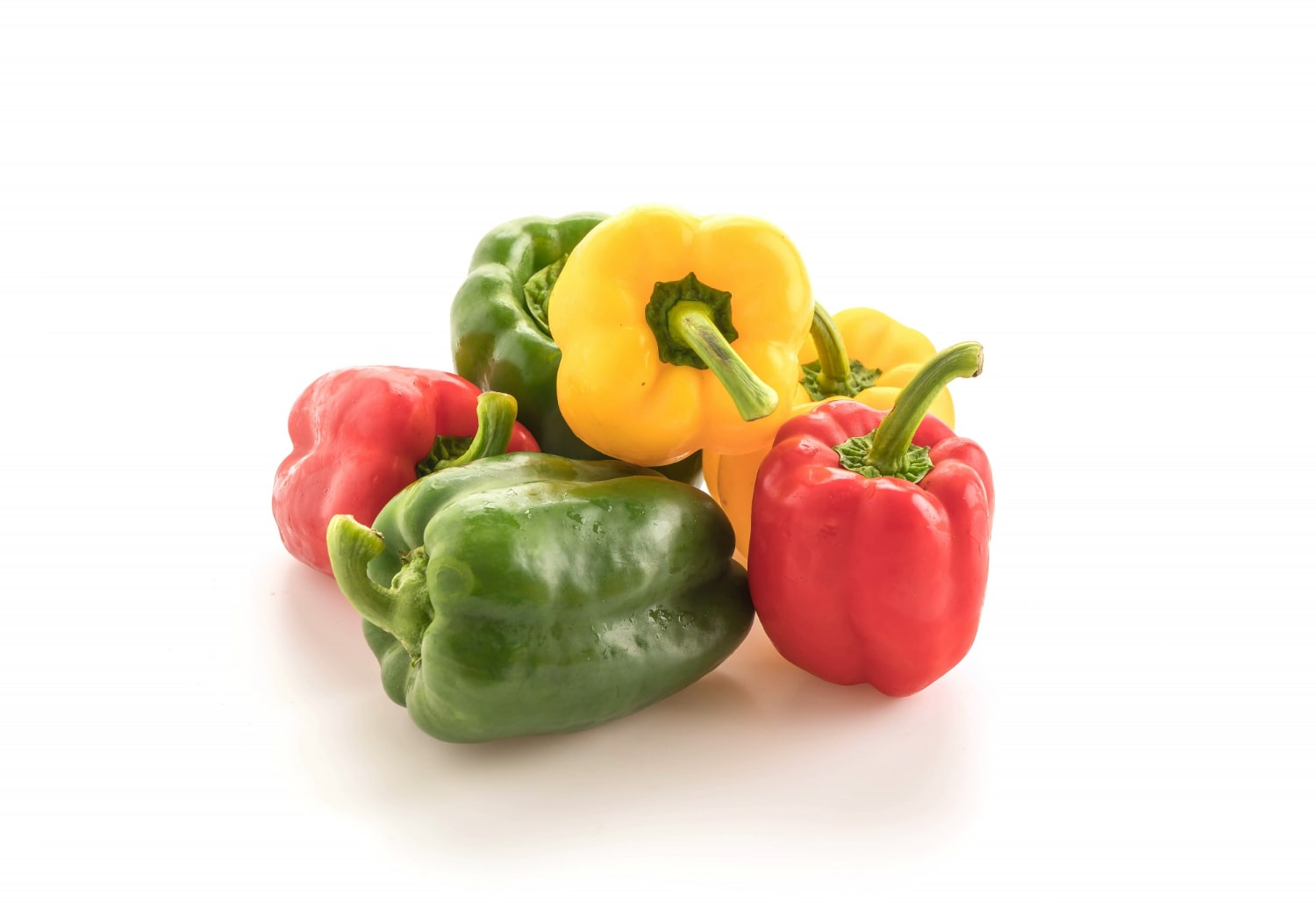
Bell peppers, with their vibrant colors and crisp textures, are culinary staples in kitchens worldwide. These versatile vegetables play a crucial role in a variety of dishes, from salads to stir-fries, and are cherished for their unique flavor profiles.
Yet, despite their widespread use in savory recipes, bell peppers harbor a fascinating botanical secret: they are, in fact, fruits. The perception of these bell-shaped wonders as vegetables is a common misconception, but beneath their colorful exteriors lies the unmistakable signature of a fruit-bearing plant.
In this article, we will delve into the intriguing world of bell peppers, exploring their botanical characteristics, the confusion surrounding their classification, and their culinary and nutritional significance.
What is a Bell Pepper?

A bell pepper, scientifically known as Capsicum annuum, is a fruit that is often used in cooking as a vegetable. It belongs to the nightshade family, which also includes tomatoes, potatoes, and eggplants. Bell peppers are native to Central and South America but have become popular ingredients in cuisines worldwide.
What Does a Bell Pepper Look Like?
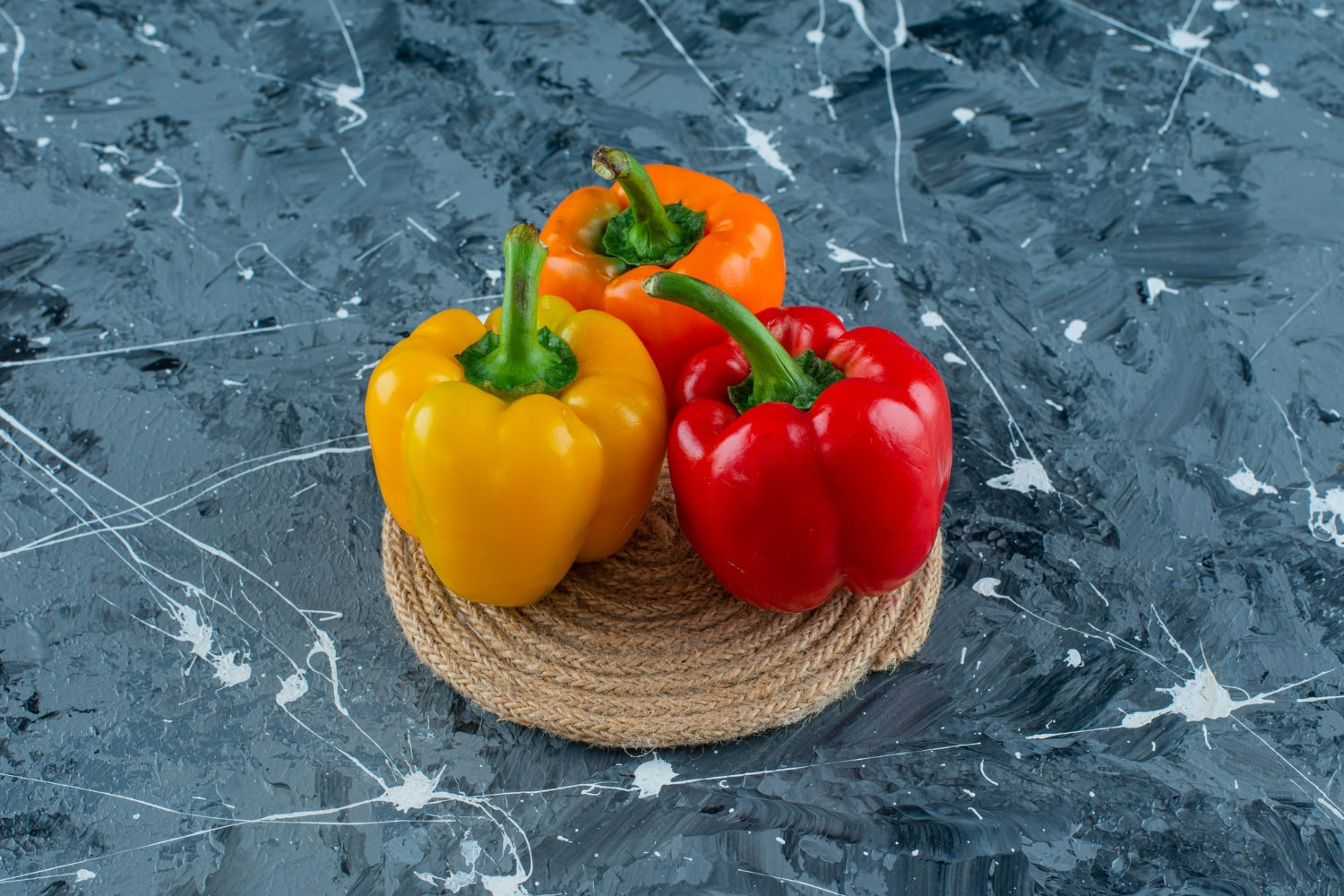
Bell peppers are typically characterized by their bell-like shape, which can be either blocky or elongated, and their vibrant colors, such as green, red, yellow, and orange.
What do Bell Peppers Taste Like?
Bell peppers are known for their mild and fresh flavor profile. When you bite into a bell pepper, you’ll experience a crisp, juicy texture and a clean, slightly sweet taste.
The taste of a bell pepper can vary depending on its color. Green bell peppers tend to have a slightly bitter, grassy note, while the riper red, yellow, and orange varieties are sweeter and more fruity in flavor. The difference in taste is due to the varying levels of ripeness and sugar content.
How Hot are Bell Peppers?
Bell peppers are not considered hot; they are generally mild in flavor and are known for their sweet and slightly tangy taste. Unlike chili peppers, which can vary widely in their level of spiciness, bell peppers have a Scoville Heat Scale rating of 0. This means they contain little to no capsaicin, the compound responsible for the spiciness or heat found in hot peppers.
The Difference between a Fruit and a Vegetable
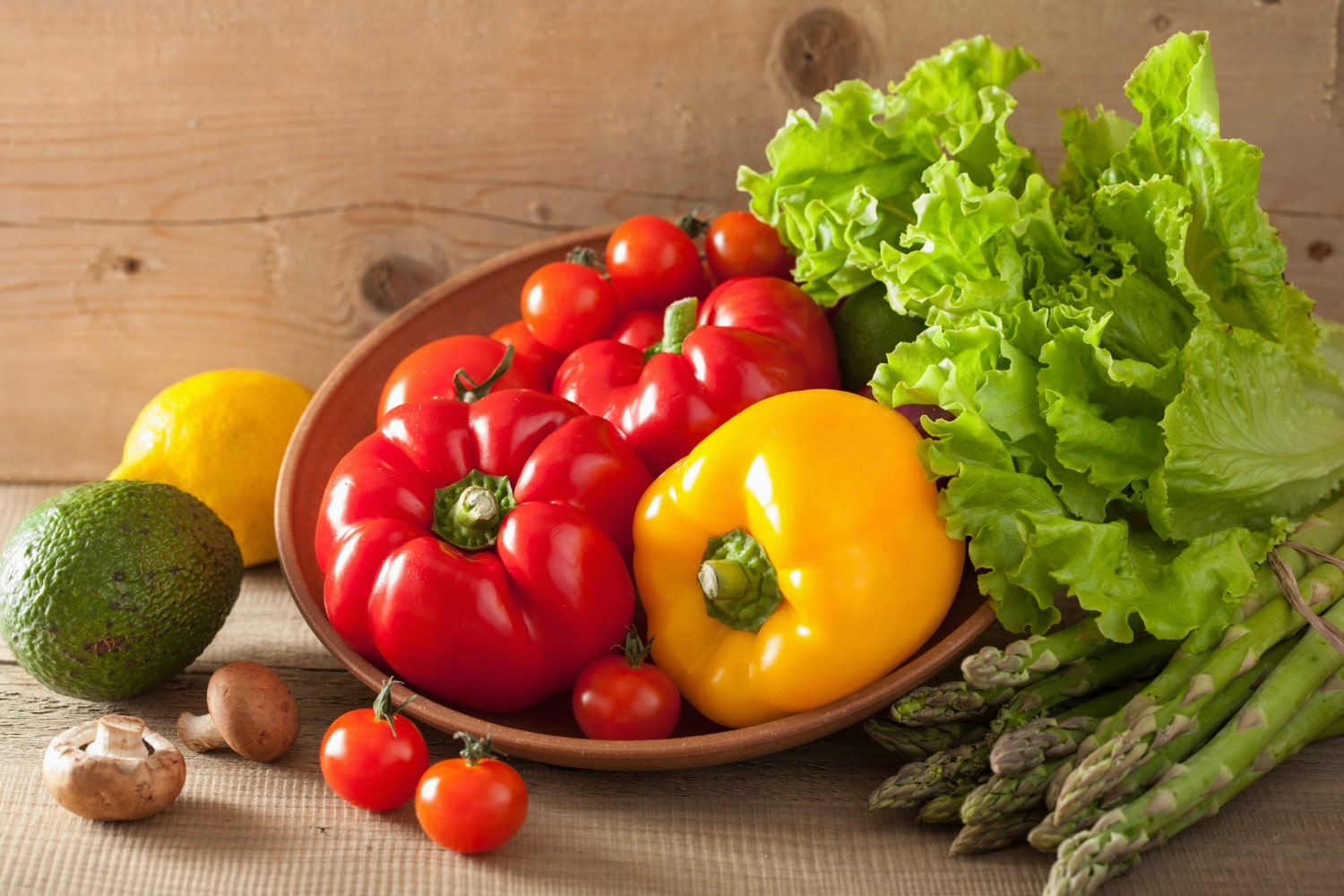
A fruit is the mature ovary of a flowering plant, typically containing seeds. It develops from the fertilized ovule after pollination and is designed for the dispersal of seeds. Fruits can be fleshy (like apples and berries) or dry (like nuts and legumes).
The term “vegetable” does not have a strict botanical definition. It is a culinary term used to refer to various edible parts of plants, including leaves (e.g., lettuce), stems (e.g., celery), roots (e.g., carrots), and sometimes even flower buds (e.g., broccoli).
Types of Bell Pepper
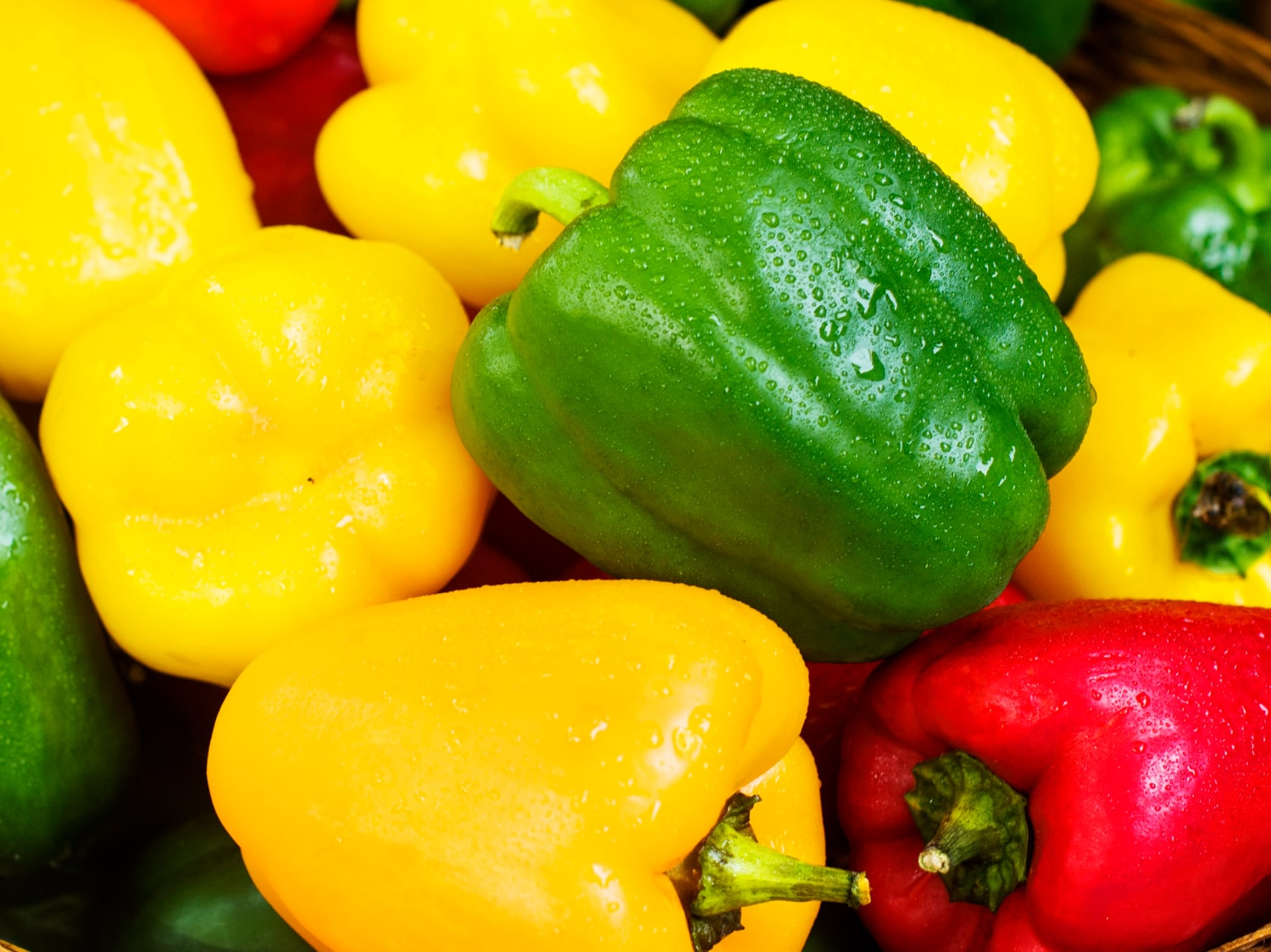
Bell peppers come in various colors, and each color represents a different stage of ripeness and flavor profile. Here are the most common types of bell peppers based on their color:
Green Bell Peppers: Green bell peppers are harvested when they are unripe and still green in color.They have a slightly bitter, grassy flavor compared to their riper counterparts.Green peppers are often used in savory dishes, salads, and stir-fries for their crunchy texture and fresh taste.
Red Bell Peppers: Red bell peppers are fully ripened green peppers left on the vine to mature. They have a sweeter and fruitier flavor compared to green peppers. Red peppers are excellent for adding sweetness and color to dishes. They are often eaten raw in salads or roasted to enhance their natural sweetness.
Yellow Bell Peppers: Yellow bell peppers are also fully ripened green peppers. They have a slightly sweeter and milder flavor compared to red peppers. Yellow peppers are used in a similar way to red peppers and are often chosen for their vibrant color.
Orange Bell Peppers: Orange bell peppers are another variety of fully ripened green peppers. They have a sweet, fruity taste with a hint of tartness.
Orange peppers are prized for their vibrant color and are used in salads, roasted dishes, and as colorful additions to recipes.
Purple or Black Bell Peppers: Purple or black bell peppers are less common but can be found in some specialty markets. They have a similar flavor profile to green peppers but may have a slightly fruity undertone. These unique peppers are often used to add visual interest to dishes.
Nutritional Value of Bell Pepper
The nutritional content of bell peppers can vary slightly depending on their color, with red, yellow, and orange peppers often having slightly different profiles than green ones. Below is the nutritional information for one medium-sized (about 119 grams) raw bell pepper, typically considered one serving:
- Calories: Approximately 30 calories
- Carbohydrates: About 7 grams
- Dietary Fiber: Approximately 2.5 grams
- Sugars: Approximately 3 grams
- Protein: Approximately 1 gram
- Fat: Less than 1 gram
Health Benefits of Bell Pepper
Rich in Vitamins
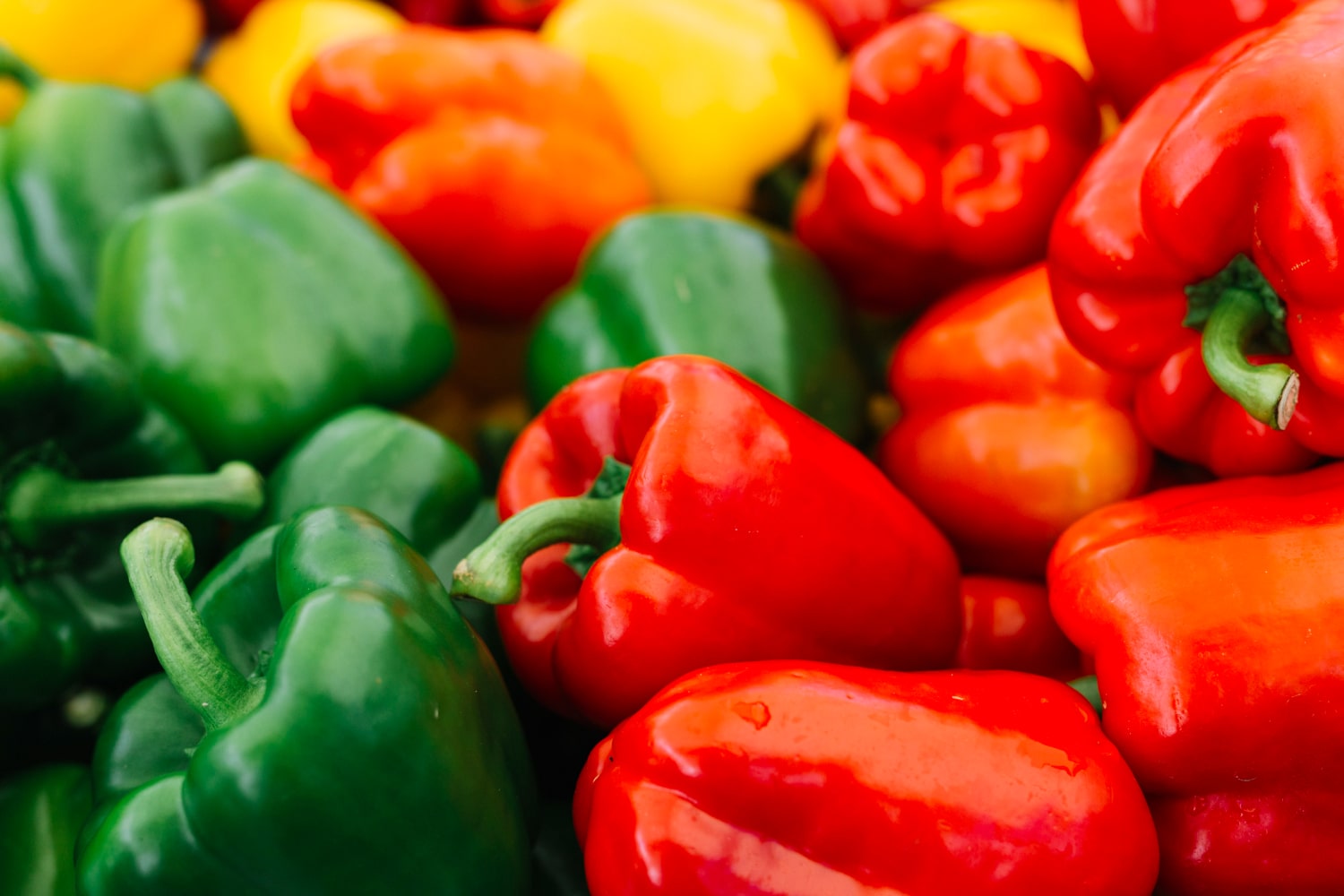
Bell peppers, particularly red ones, are abundant in vitamin C, which is crucial for a healthy immune system. Vitamin C also promotes healthy skin, helps the body absorb iron from plant-based foods, and acts as a powerful antioxidant.
Eye Health
Bell peppers contain high levels of beta-carotene, which the body can convert into vitamin A. Vitamin A is essential for maintaining good vision, particularly in low-light conditions, and it helps prevent age-related macular degeneration.
Antioxidant Properties
Bell peppers are rich in antioxidants, including vitamin C, beta-carotene, and other phytonutrients. These antioxidants help combat oxidative stress and reduce the risk of chronic diseases such as heart disease and cancer.
Heart Health
The dietary fiber, potassium, and folate in bell peppers contribute to heart health. Fiber helps lower cholesterol levels, while potassium helps regulate blood pressure. Folate is important for reducing homocysteine levels, which can be a risk factor for heart disease.
Digestive Health
Bell peppers are a good source of dietary fiber, which aids digestion and promotes a healthy gut. A diet rich in fiber can prevent constipation and may reduce the risk of colorectal cancer.
Weight Management
Bell peppers are low in calories and fat while being high in fiber. This makes them a satisfying and nutritious addition to meals, helping with weight management and controlling calorie intake.
Skin Health
The vitamins and antioxidants in bell peppers contribute to healthy skin by reducing the signs of aging and promoting a youthful complexion. Vitamin C, in particular, supports collagen production, which is essential for skin elasticity.
Cancer Prevention
The antioxidants and phytonutrients in bell peppers have been associated with a reduced risk of certain types of cancer, including lung, stomach, and colon cancers. Their high vitamin C content also supports the body’s natural defense mechanisms against cancer.
Anti-Inflammatory Properties
Some compounds in bell peppers have anti-inflammatory properties that may help reduce inflammation in the body. Chronic inflammation is linked to various health problems, including arthritis and heart disease.
How to Cook With Bell Peppers
Cooking with bell peppers can add color, flavor, and nutrition to a wide range of dishes. These versatile vegetables can be used in various cooking methods, both as the main ingredient or as a flavorful addition. Here’s a step-by-step guide on how to cook with bell peppers.
Selecting Bell Peppers
Choose bell peppers that are firm, glossy, and have vibrant colors. Avoid peppers with wrinkles, blemishes, or soft spots. Different colors indicate varying degrees of ripeness and flavor, so consider your recipe when selecting them.
Preparing Bell Peppers:
Rinse the bell peppers under cold running water to remove any dirt or residue. Pat them dry with a clean kitchen towel or paper towels.
Slice off the tops (stem ends) and remove the seeds and membranes from inside the peppers. You can do this by cutting around the stem and gently pulling out the core.
For stuffed pepper recipes, you may want to parboil or blanch the peppers briefly to soften them before stuffing.
Depending on your recipe, you can slice, dice, or cut bell peppers into various shapes and sizes:
- Strips: Cut the peppers into long, thin strips for stir-fries, fajitas, or sautéed dishes.
- Dice: Cube the peppers into small pieces for salads, omelets, or as a recipe ingredient.
- Rings: Slice the peppers into rings for grilling or as a colorful garnish.
Cooking Methods
Now that your bell peppers are prepared, you can choose from various cooking methods:
- Sautéing:
- Heat a pan or skillet over medium-high heat and add a bit of oil (such as olive oil or vegetable oil).
- Add the sliced or diced bell peppers and cook, stirring frequently, until they are tender and slightly caramelized (usually 5-7 minutes).
- Roasting:
- Preheat your oven to 400°F (200°C).
- Toss the pepper slices or halves in olive oil, season with salt and pepper, and spread them on a baking sheet.
- Roast for 20-30 minutes or until the peppers are tender and slightly charred.
- Grilling:
- Preheat the grill to medium-high heat.
- Brush the pepper slices or halves with oil and grill them for 4-6 minutes per side until they have grill marks and are tender.
- Stir-Frying:
- Slice the peppers into thin strips or bite-sized pieces.
- Add them to your stir-fry along with other vegetables, proteins, and sauce, cooking until they’re crisp-tender.
- Stuffing:
- Parboil the prepared bell peppers for a few minutes to soften them.
- Fill them with your choice of stuffing (rice, ground meat, vegetables, etc.) and bake until the peppers are tender and the filling is cooked.
So, What makes Bell Peppers a Fruit?
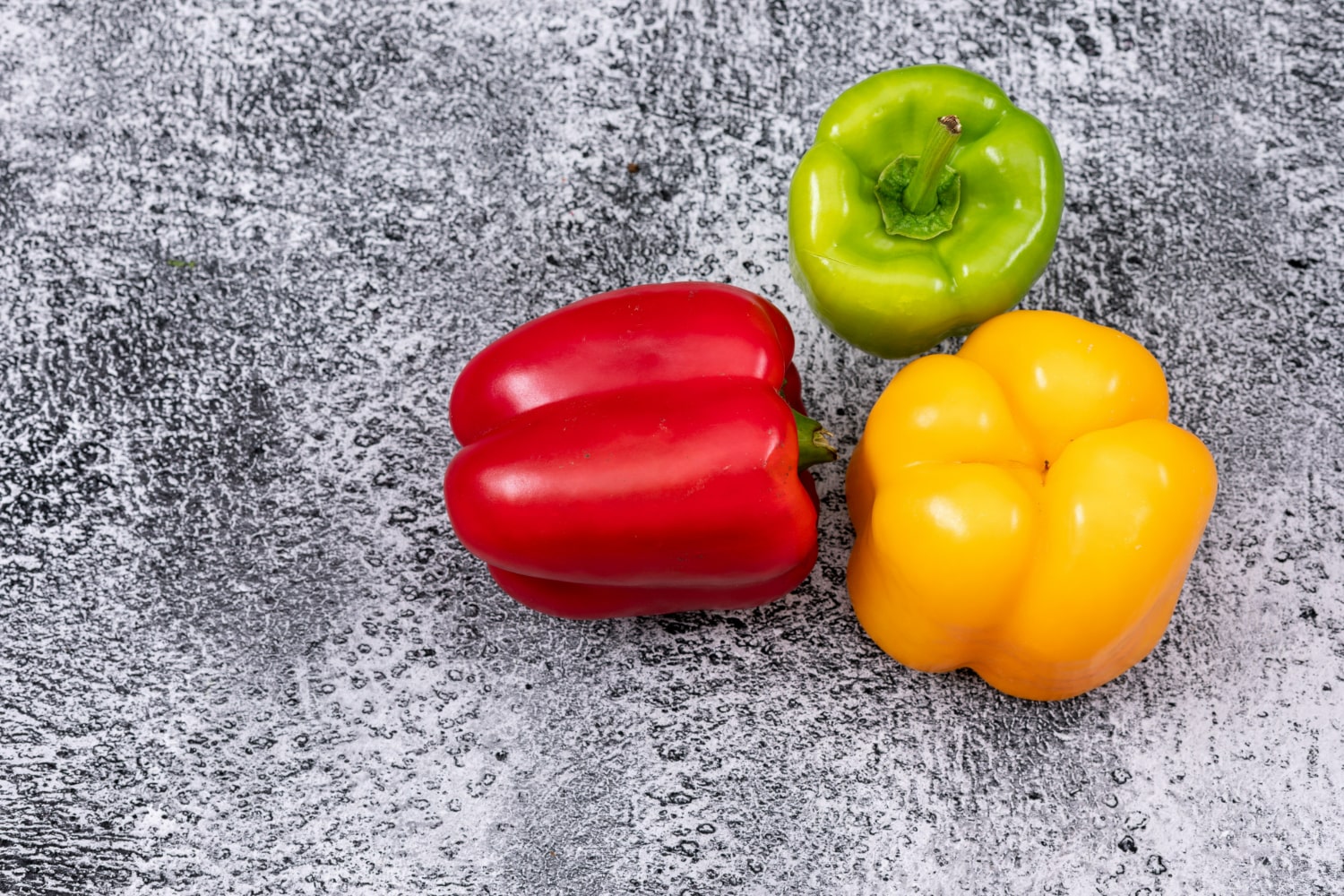
As we already know now, fruits are the mature ovaries of flowering plants. In the case of bell peppers, they develop from the ovary of the pepper plant’s flower after successful pollination. Inside the pepper, you can find seeds, which are a characteristic feature of fruits.
Where to Buy Bell Peppers
You can get Bell Peppers at your local supermarkets and grocery stores. You can also order them online from online retailers like our African Food Store.
Conclusion
The beauty of bell peppers lies not only in their botanical classification but also in their versatility. Whether green, red, yellow, or orange, these fruits can bring a burst of flavor, color, and nutrition to a wide array of dishes, from salads to stir-fries to stuffed peppers.
These colorful, crisp, and mildly sweet gems emerge from the flowering part of the pepper plant, containing seeds, which is the defining characteristic of fruits. However, their culinary use as vegetables has led to common misconceptions, classifying them as such in our kitchens.



 Niyis Afro Caribbean Cuisines and Groceries
Leave a comment