
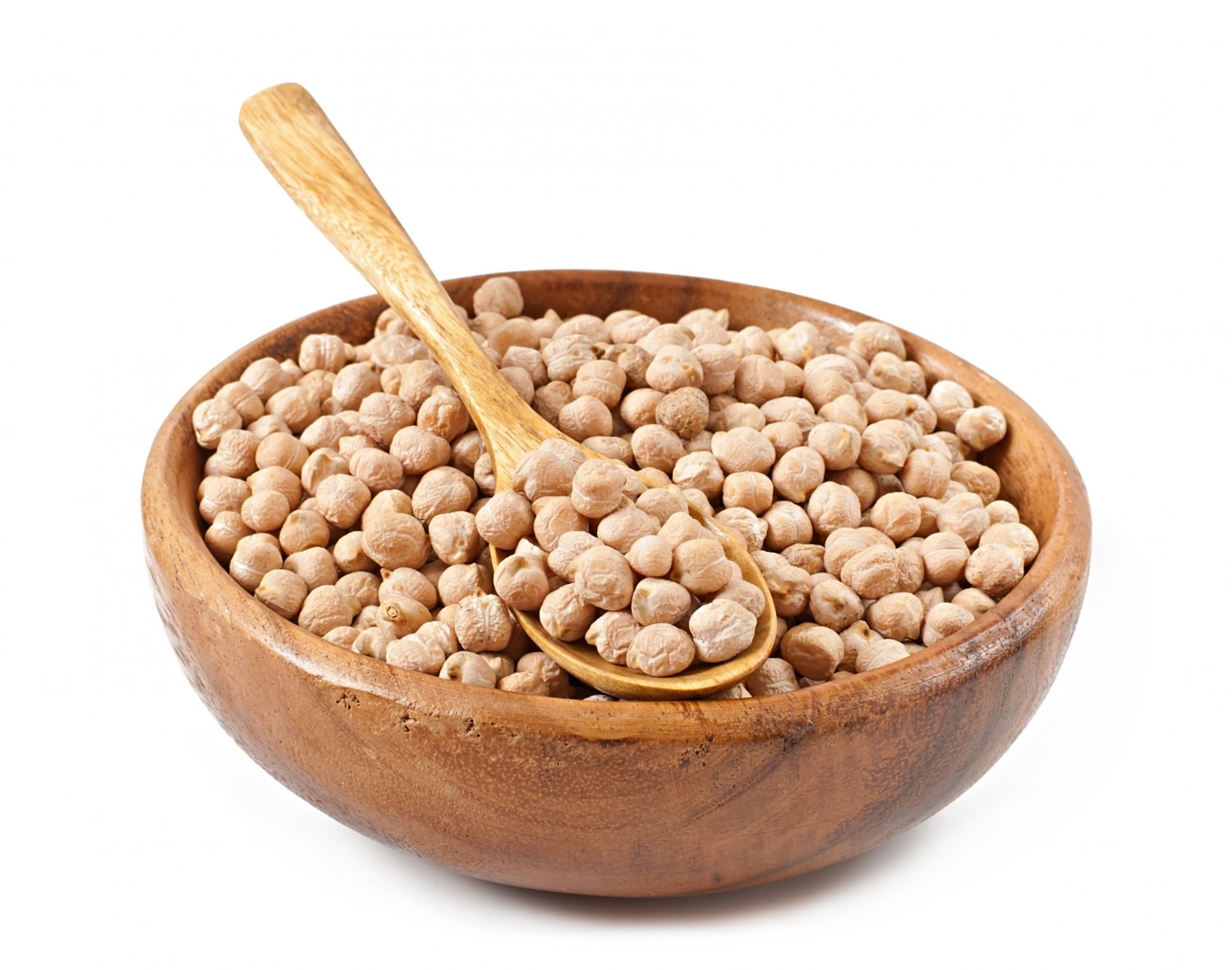
Gluten-free diets have gained significant popularity among people seeking a healthier lifestyle or those with gluten intolerance and celiac disease. As more and more people adopt this dietary choice, there is an increasing need for a comprehensive understanding of which foods are free of gluten. Among the questions that frequently arise is the status of chickpeas in the realm of gluten-free eating. Chickpeas, the versatile legumes often celebrated for their contribution to plant-based diets and flavorful culinary creations, have come under scrutiny for their gluten content. In this article, we embark on a journey to explore the gluten-free nature of chickpeas, shedding light on their safety for those who require or desire a gluten-free diet.
What Are Chickpeas?
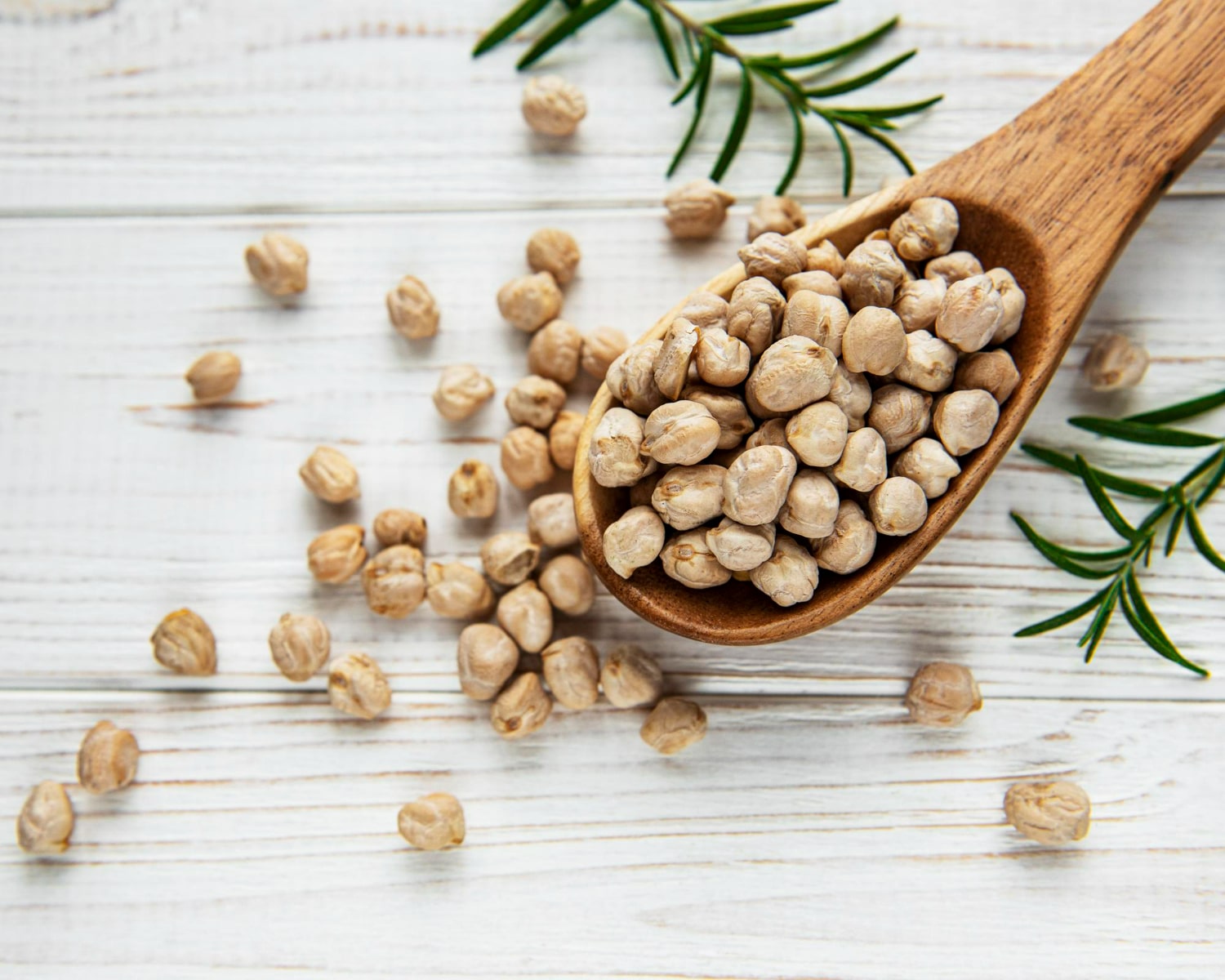
Chickpeas, scientifically known as “Cicer arietinum,” are a type of legume that has been cultivated for thousands of years and is a staple in various cuisines worldwide. They are also referred to as “garbanzo beans.” Chickpeas are recognized for their nutty flavor, grainy texture, and versatility in cooking.
Chickpeas are typically round, beige, or pale yellow in color, and they can be categorized into two primary types:
- Desi Chickpeas: These are smaller and darker in color, often with a thicker seed coat. They are widely grown in South Asia, the Middle East, and parts of Africa.
- Kabuli Chickpeas: Kabuli chickpeas are larger and have a more rounded shape. They are commonly associated with Mediterranean and Western cuisines.
What is Gluten?
Gluten is a protein composite found in certain cereal grains, primarily wheat, but also in other grains like barley, rye, and their related species. It is responsible for the elasticity and structure in dough, which gives bread and other baked goods their characteristic texture.
What Does Gluten Free Mean?
A “gluten-free” label on a food product means that the product does not contain any gluten or has been made with ingredients that do not contain gluten. Gluten is a protein found in certain grains, primarily wheat, but also in barley, rye, and their related species. It can cause adverse reactions in people with celiac disease, non-celiac gluten intolerance, or wheat allergies.
For a food product to be certified gluten-free, it typically means that the product has been specifically manufactured, processed, or prepared to avoid cross-contamination with gluten-containing ingredients.
Nutritional Value Of Chickpeas
Chickpeas are a nutritious and versatile legume, providing a range of essential nutrients. Here is the approximate nutritional value of cooked garbanzo beans per 100 grams:
- Calories: About 164 calories
- Protein: Approximately 8.9 grams
- Carbohydrates: Around 27.4 grams
- Dietary Fiber: A rich source of dietary fiber, with about 7.6 grams
- Fat: Approximately 2.6 grams
- Saturated Fat: Less than 0.3 grams
Health Benefits of Chickpeas
Here are some of the key health benefits of consuming chickpeas in a gluten free diet:
Rich in Nutrients
Chickpeas are packed with essential nutrients, including protein, dietary fiber, vitamins (such as B vitamins, including folate), and minerals (like iron, magnesium, and potassium).
Good Source of Plant-Based Protein
Chickpeas are an excellent source of plant-based protein, making them a valuable addition to vegetarian and vegan diets. Protein is essential for muscle health, and it helps you feel full and satisfied.
Digestive Health
The high fiber content in chickpeas promotes digestive health by preventing constipation and supporting a healthy gut microbiome.
Heart Health
The fiber, potassium, and folate in chickpeas can contribute to heart health. Fiber helps lower cholesterol levels, while potassium helps regulate blood pressure, and folate reduces the risk of heart disease.
Blood Sugar Control
Chickpeas have a low glycemic index and can help stabilize blood sugar levels. This is beneficial for individuals with diabetes or those at risk of developing the condition.
Weight Management
The combination of protein and fiber in chickpeas can aid in weight management by promoting a feeling of fullness and reducing overall calorie intake.
Bone Health
Chickpeas contain essential minerals like calcium, magnesium, and phosphorus, which contribute to strong and healthy bones.
Reduced Cancer Risk
The antioxidants and anti-inflammatory compounds in chickpeas may help reduce the risk of certain cancers, such as colorectal cancer.
Anti-Inflammatory Properties
Chickpeas contain phytonutrients like quercetin and kaempferol, which have anti-inflammatory effects, potentially reducing the risk of chronic diseases related to inflammation.
Energy Boost
The carbohydrates in chickpeas provide a slow and sustained source of energy, which can help maintain energy levels throughout the day.
Skin Health
The vitamins and antioxidants in chickpeas can help maintain healthy skin and reduce the signs of aging.
Are Chickpeas Gluten Free?
Chickpeas are naturally gluten-free. They do not contain gluten, which is a protein found in certain cereal grains like wheat, barley, and rye. As a result, garbanzo beans are safe for people with celiac disease, non-celiac gluten sensitivity, or wheat allergies to include in their gluten-free diet.
However, cross-contamination can be a concern. If chickpeas are processed, packaged, or prepared in facilities that handle gluten-containing products, there is a risk of gluten contamination. To ensure that chickpeas are entirely gluten-free, it’s important to look for products that are labeled “gluten-free” or certified as such, especially if you have a strict gluten-free dietary requirement.
How To Use Chickpeas In Your Cooking
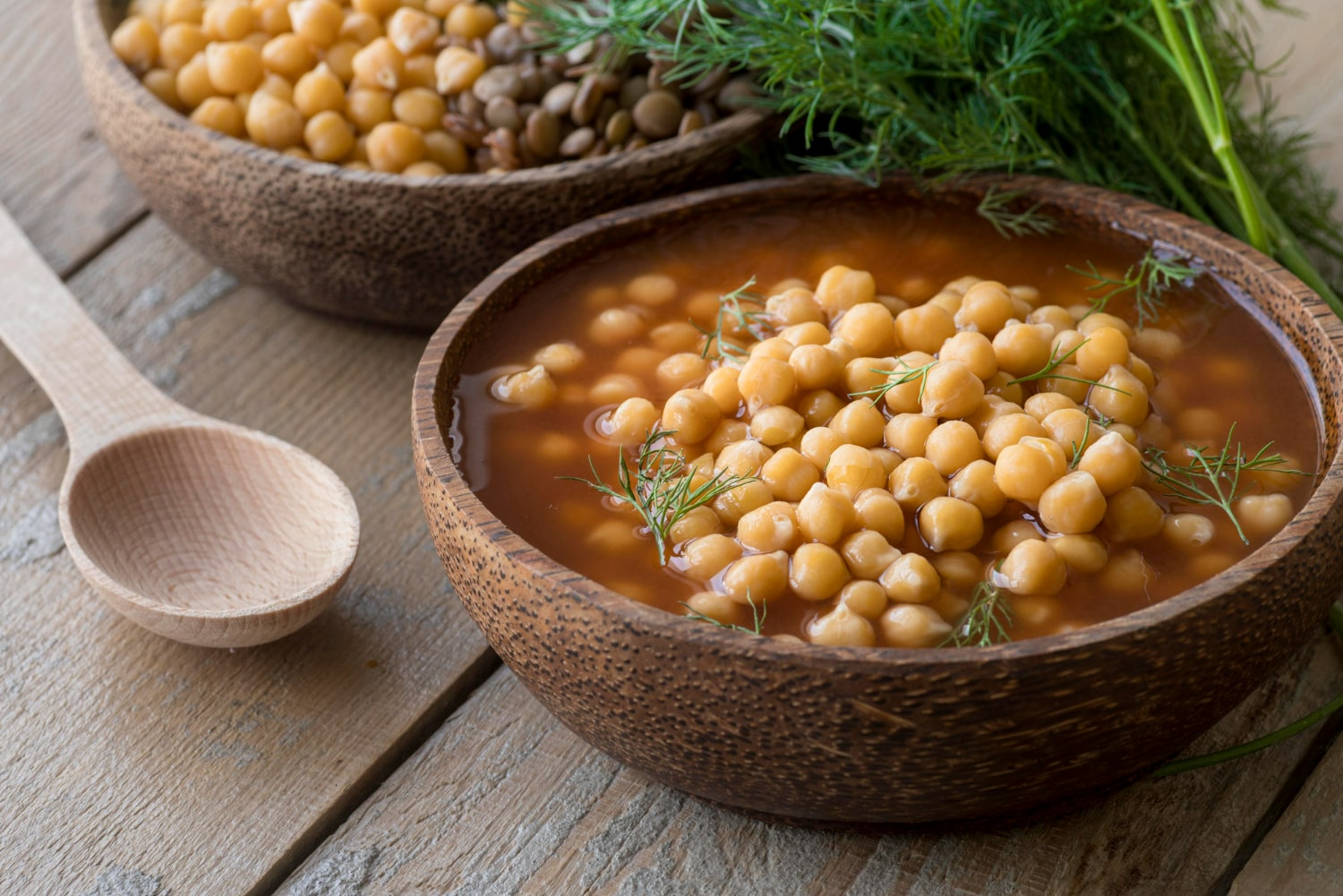
Here are some ways to incorporate chickpeas into your cooking:
Hummus: Make your own hummus by blending cooked chickpeas with tahini, lemon juice, garlic, and olive oil. Enjoy it as a dip for vegetables, pita bread, or as a spread.
Salads: Add chickpeas to salads for extra protein and fiber. They pair well with a variety of vegetables and can turn a simple salad into a filling meal.
Soups and Stews: Chickpeas can be added to soups and stews to provide a hearty and nutritious element. They work well in Mediterranean-style soups and chili.
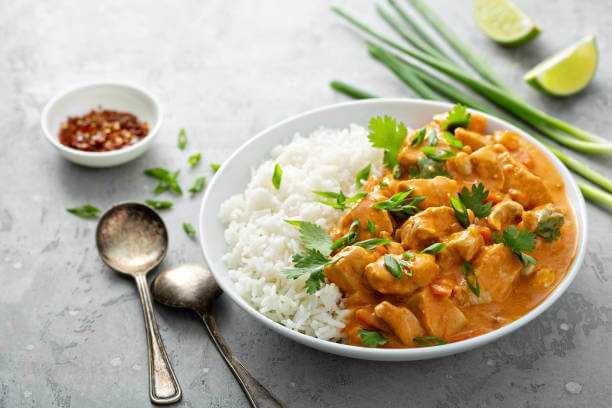
Curries: Use chickpeas in vegetarian or vegan curries. They absorb the flavors of the spices and provide a satisfying texture.
Roasted Snack: Roast chickpeas with olive oil and your favorite seasonings for a crunchy and healthy snack. Roasted chickpeas can be a great alternative to chips.
Stir-Fries: Add chickpeas to stir-fries for extra protein and a creamy texture. They pair nicely with a variety of vegetables and sauces.
Burgers: Make chickpea burgers by mashing chickpeas and combining them with herbs, spices, and breadcrumbs. These vegetarian burgers are delicious and nutritious.
Where To Buy Chickpeas
Most supermarkets and grocery stores carry canned chickpeas in the canned vegetables section and dried chickpeas in the dry goods or legume aisle. Here at our African Food Store we sell quality chickpeas for you to purchase.
Conclusion
Chickpeas, those beloved legumes that grace our plates in a myriad of delectable forms, are indeed gluten-free by nature. Their natural composition, free from the gluten proteins found in wheat, barley, and rye, makes them a safe and nutritious choice for those who follow a gluten-free diet.
 Niyis Afro Caribbean Cuisines and Groceries
Leave a comment