
Nutrition has become an important facet of our world today with people becoming more health conscious as the days go by. One staple worth mentioning is cocoyam with its many health benefits.
Cocoyam also known as taro or yam, has been a dietary staple in various cultures for centuries. Beneath its rough brown skin lies a nutritional powerhouse rich in essential nutrients, vitamins, and minerals.
Join us as we dive into the world of this versatile tuber, uncovering its remarkable benefits and showcasing creative ways to incorporate it into your diet.
What is Cocoyam?
Cocoyam, also known as taro (Colocasia esculenta), is a starchy root vegetable that is widely cultivated and consumed in many parts of the world. It is known by various names in different regions, including taro, dasheen, eddo, and yam.
What Does Cocoyam look like?
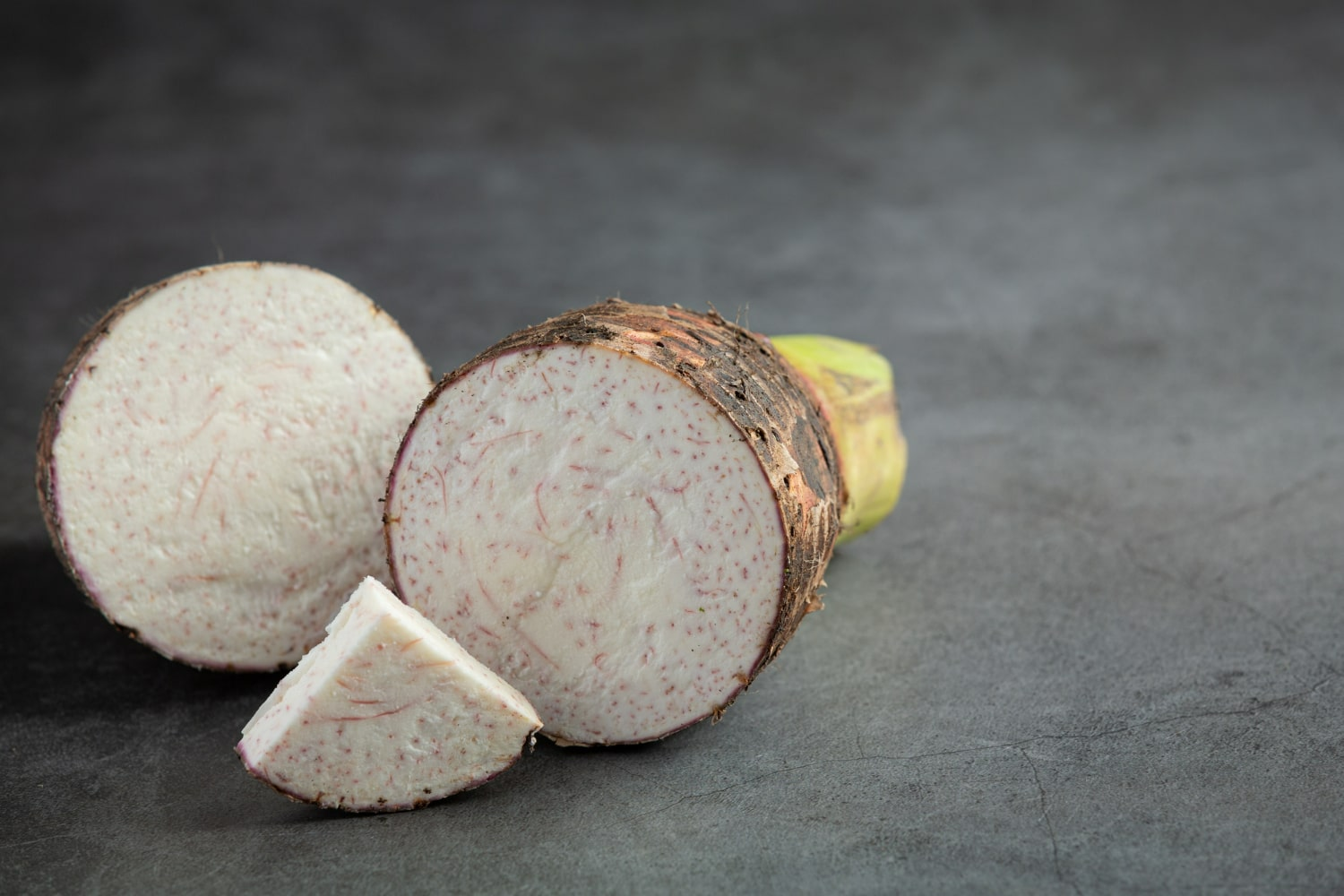
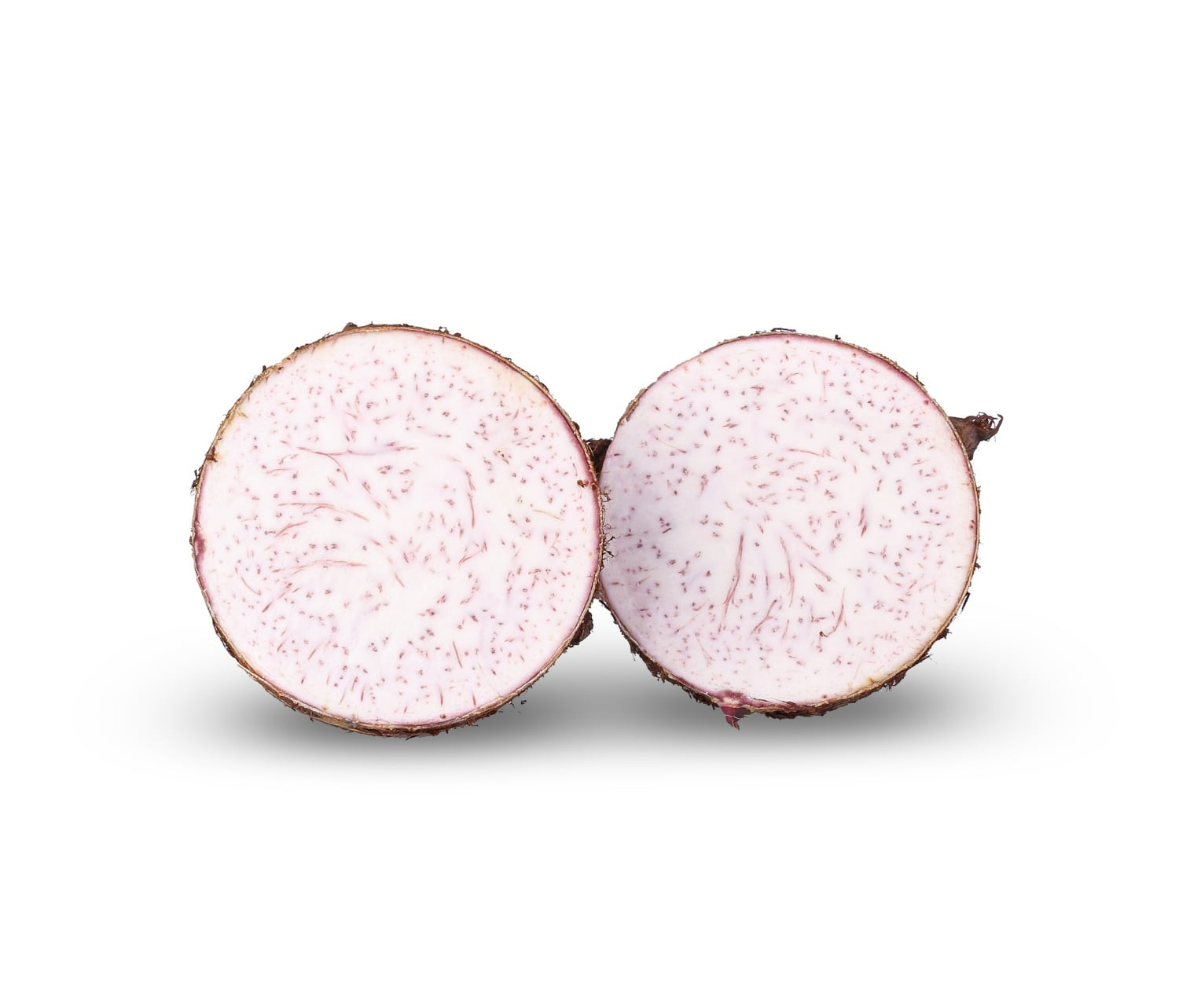
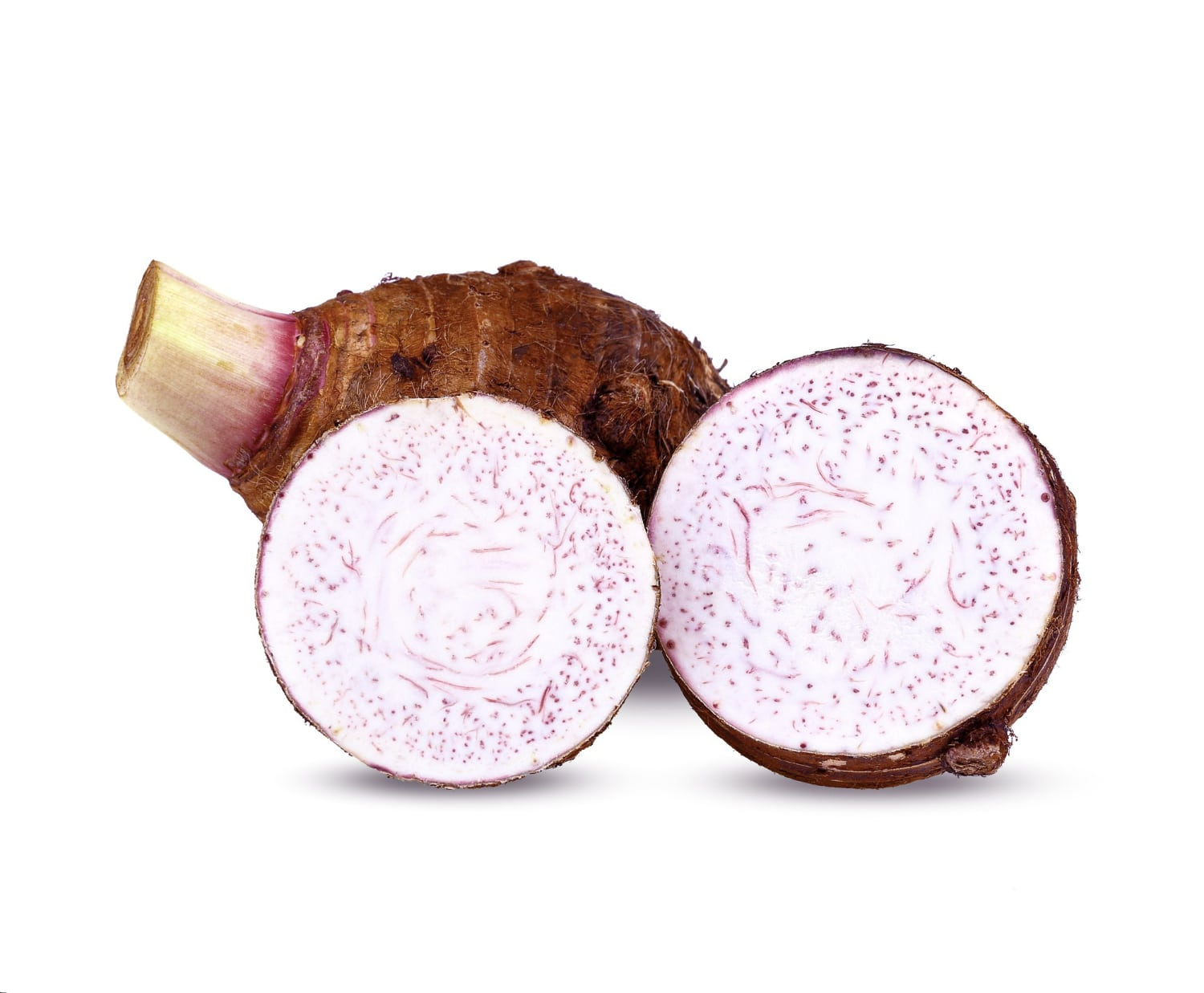
The outer skin of cocoyam is rough, coarse, and usually brown or purplish-black in color. When you peel away the rough outer skin, you’ll find the creamy, white to pale purple flesh of cocoyam.
What Does Cocoyam tastes like?
Taro has a mild, nutty flavor when cooked. Its taste is often described as a cross between a potato and a sweet potato, with a subtle, earthy undertone.
What is the Difference between Cocoyam and Yam?
Cocoyam and yam are two different root vegetables, although they are sometimes confused due to similar names and appearances. Here are the key differences between cocoyam and yam
Cocoyam (Colocasia esculenta) belongs to the Araceae family and is closely related to taro. It is also known as taro in some regions while Yam (Dioscorea species) belongs to the Dioscoreaceae family and is part of a different botanical family than cocoyam.
Cocoyam typically has an irregular, bulbous shape with rough, brown, or purplish-black skin and creamy white or pale purple flesh. Yam is usually cylindrical. The skin is typically rough and can range in color from brown to off-white or even pinkish. The flesh of yam is often white or off-white.
Cocoyam has a mild, nutty flavor and a starchy, slightly slimy texture when raw. When cooked, it becomes firm, smooth, and easy to mash or slice. Yam has a starchy and slightly sweet flavor. Its texture is typically firmer and less slimy than cocoyam when cooked.
Nutritional Value of Cocoyam
Cocoyam (Colocasia esculenta), also known as taro, is a nutritious root vegetable that provides a range of essential nutrients. Its nutritional value can vary slightly depending on the variety and how it’s prepared, but here is a general overview of the rich nutrients content of cocoyam per 100 grams of cooked, boiled, drained, or mashed taro:
- Calories: Approximately 112 calories
- Carbohydrates: About 26 grams
- Dietary Fiber: Around 4 grams
- Sugars: Approximately 1 gram
- Protein: About 1 gram
- Fat: Almost no fat (less than 1 gram)
Health Benefits of Cocoyam
Cocoyam contains immense benefits when consumed. Let’s take a look at some of the benefits of this edible roots:
Rich Source of Dietary Fiber
Cocoyam contains high dietary fibre, which is essential for digestive health. Dietary fibre aids in regular bowel movements, prevents constipation, and supports a healthy gastrointestinal system to promote food digestion.
Provides Sustained Energy
The complex carbohydrates in cocoyam provide a steady and sustained release of energy, making it an excellent choice for maintaining energy levels throughout the day.
Low in Fat
Cocoyam is naturally low in fat, which can be beneficial for those looking to reduce their overall fat intake or manage weight.
Good Source of Vitamins
Cocoyam contains various vitamins, including vitamin C, vitamin B6, and folate. These vitamins play important roles in boosting the immune system, brain health, and red blood cells formation.
Mineral Content
Cocoyam is a good source of potassium and magnesium. Potassium helps regulate blood pressure and fluid balance, while magnesium is important for muscle and nerve function.
Antioxidant Properties
Some varieties of cocoyam contain antioxidants, which can help combat oxidative stress and reduce the risk of chronic diseases.
May Help Manage Blood Sugar
The fiber in cocoyam, along with its slow-digesting carbohydrates, can contribute to better blood sugar control and reduce high blood pressure. This may be beneficial for individuals with diabetes or those at risk of developing the condition.
Supports Heart Health
Cocoyam’s low sodium content, combined with its potassium-rich nature, can help regulate blood pressure and reduce the risk of cardiovascular problems.
Promotes Bone Health
Cocoyam contains calcium and phosphorus, which are essential minerals for maintaining strong and healthy bones.
Gluten-Free
Cocoyam is naturally gluten-free, making it a suitable food choice for individuals with celiac disease or gluten sensitivity.
May Aid in Weight Management
Due to its low-fat content and satisfying nature, cocoyam can be included in weight management diets. It helps provide a feeling of fullness, reducing the likelihood of overeating.
May Reduce the Risk of Certain Cancers
Some compounds found in cocoyam have been studied for their potential anti-cancer properties, though more research is needed in this area.
What are cocoyam leaves nutrition facts?
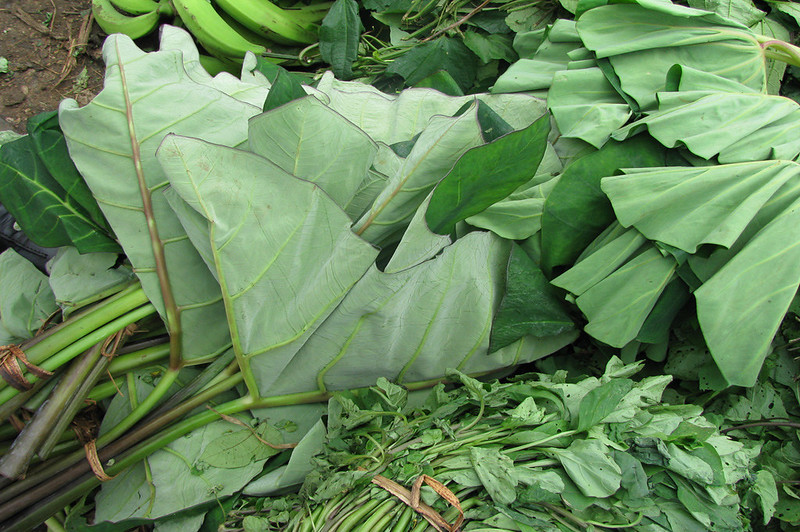
Cocoyam leaves, also known as Kontomire leaves, are another edible part of the cocoyam plant (Ghanians are popularly known to consume cocoyam leaves). These edible leaves of the cocoyam are popularly used to make Kontomire stew. Here is an approximate nutritional profile for 100 grams of cooked cocoyam leaves:
- Calories: Approximately 35-40 calories
- Carbohydrates: About 6-7 grams
- Dietary Fiber: Around 2-3 grams
- Protein: Approximately 3-4 grams
- Fat: Almost no fat (less than 1 gram)
Health Benefits of Cocoyam Leaves (Kontomire)
Healthy eyes
Cocoyam leaves are a good source of vitamin A, a nutrient essential for maintaining healthy vision. Vitamin A plays a crucial role in the function of the retina and the conversion of light into nerve signals that reach the brain, allowing us to see in low-light conditions.
Reduce inflammation
Cocoyam leaves contain vitamins, such as vitamin C, which is known for its antioxidant properties. Antioxidants help neutralize harmful free radicals in the body that can lead to inflammation and oxidative stress.
Protect the nervous system
Cocoyam leaves contain B vitamins, including vitamin B6 and folate (vitamin B9). These vitamins are essential for nerve function and play a role in the synthesis of neurotransmitters, which are chemicals that transmit signals in the central nervous system. Adequate intake of B vitamins is important for maintaining a healthy nervous system.
Quick treatment for diarrhoea
Cocoyam leaves contain dietary fiber, which can help absorb excess water in the intestines and add bulk to stool. This can be particularly useful in cases of mild or occasional diarrhea, as it may help firm up loose stools.
Fetal bone and teeth development
Cocoyam leaves contain calcium, which is essential for the development of fetal bones and teeth formation. Calcium is a critical mineral during pregnancy as the baby’s bones and teeth start to form. Adequate calcium intake can help ensure that the growing fetus receives the necessary building blocks for skeletal and teeth development additionally Vitamin K in cocoyam is also involved in the synthesis of certain proteins that contribute to bone mineralization.
Promote skin healing
Cocoyam leaves are a good source of vitamin A, which plays a vital role in skin health. Vitamin A supports skin cell production and repair, helping to maintain healthy skin. It also aids in preventing dryness and flakiness.
The essential amino acids in cocoyam are crucial for the growth and repair of tissues in the body. This amino acid called threonine is needed for the synthesis of new proteins, which are essential for muscle development, organ repair, and overall growth.
Vitamin C, present in cocoyam leaves, is essential for the synthesis of collagen, a structural protein that supports skin elasticity and firmness. Adequate collagen production is crucial for wound healing and maintaining youthful-looking skin.
How to Cook Cocoyam
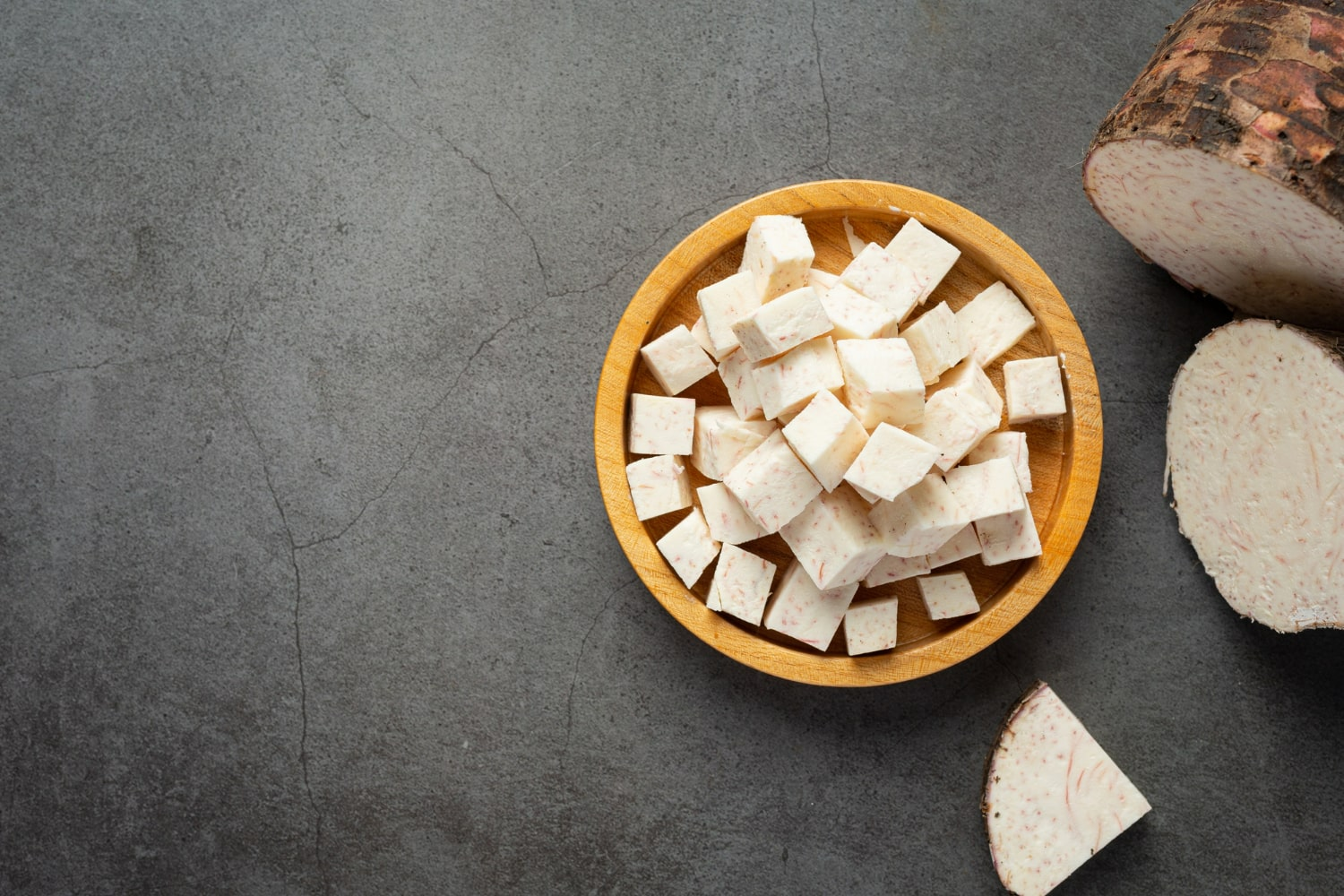
Here are some popular methods for cooking this starchy edible tuber:
Boiling: Peel and cut the cocoyam into chunks or slices. Place the cocoyam pieces in a pot of water.
Add a pinch of salt to the water for flavor (optional). Bring the water to a boil and cook the cocoyam until it is tender when pierced with a fork or knife, usually for about 20-30 minutes.
Drain the cooked cocoyam and serve it as a side dish or use it in recipes.
Steaming: Peel and cut the cocoyam into pieces. Place the cocoyam pieces in a steamer basket or tray.
Fill a pot with water, ensuring that the water level is below the steamer basket. Steam the cocoyam pieces for about 20-30 minutes or until they are soft and easily pierced with a fork.
Remove from the steamer and serve.
Frying: Peel and slice the cocoyam into thin rounds or strips. Heat oil in a frying pan or deep fryer.
Fry the cocoyam slices in the hot oil until they are golden brown and crispy. Remove from the oil and drain on paper towels.
Serve the fried cocoyam as a snack or side dish.
Mashing: Boil or steam the cocoyam until it is soft and tender. Drain and place the cooked cocoyam in a bowl.
Mash it with a fork or potato masher. Add a bit of butter, oil, or milk for creaminess, and season with salt and pepper to taste.
Serve the mashed cocoyam as a side dish or use it as a base for other dishes.
In Soups and Stews: Cocoyam can be added to soups and stews to thicken and enrich them. Simply peel and cut the cocoyam into chunks, then add them to the simmering soup or stew until they become soft and dissolve into the liquid.
Precautions to note when eating Cocoyam
Peeling and Cooking: Cocoyam should always be peeled and properly cooked before consumption. Eating raw cocoyam can be harmful as it contains calcium oxalate crystals, which is a toxic substance that can cause irritation and discomfort in the mouth and throat. Cooking, especially boiling or steaming, breaks down these crystals and makes cocoyam safe to eat.
Moderation: Like most starchy vegetables, cocoyam is calorie-dense due to its carbohydrate content. If you are watching your calorie intake or managing your blood sugar levels, it’s important to consume cocoyam in moderation as part of a balanced diet.
Allergies and Sensitivities: Some individuals may be allergic or sensitive to cocoyam or other related plants in the Araceae family, such as taro. If you experience any adverse reactions, such as itching, swelling, or digestive discomfort after consuming cocoyam, it’s advisable to avoid it and consult with a healthcare professional.
Allergic Cross-Reactivity: Some individuals with latex allergies may experience cross-reactivity with certain fruits and vegetables, including cocoyam. If you have a latex allergy, be cautious when trying cocoyam for the first time and monitor for any adverse reactions.
Where to Buy Cocoyam and Kontomire?
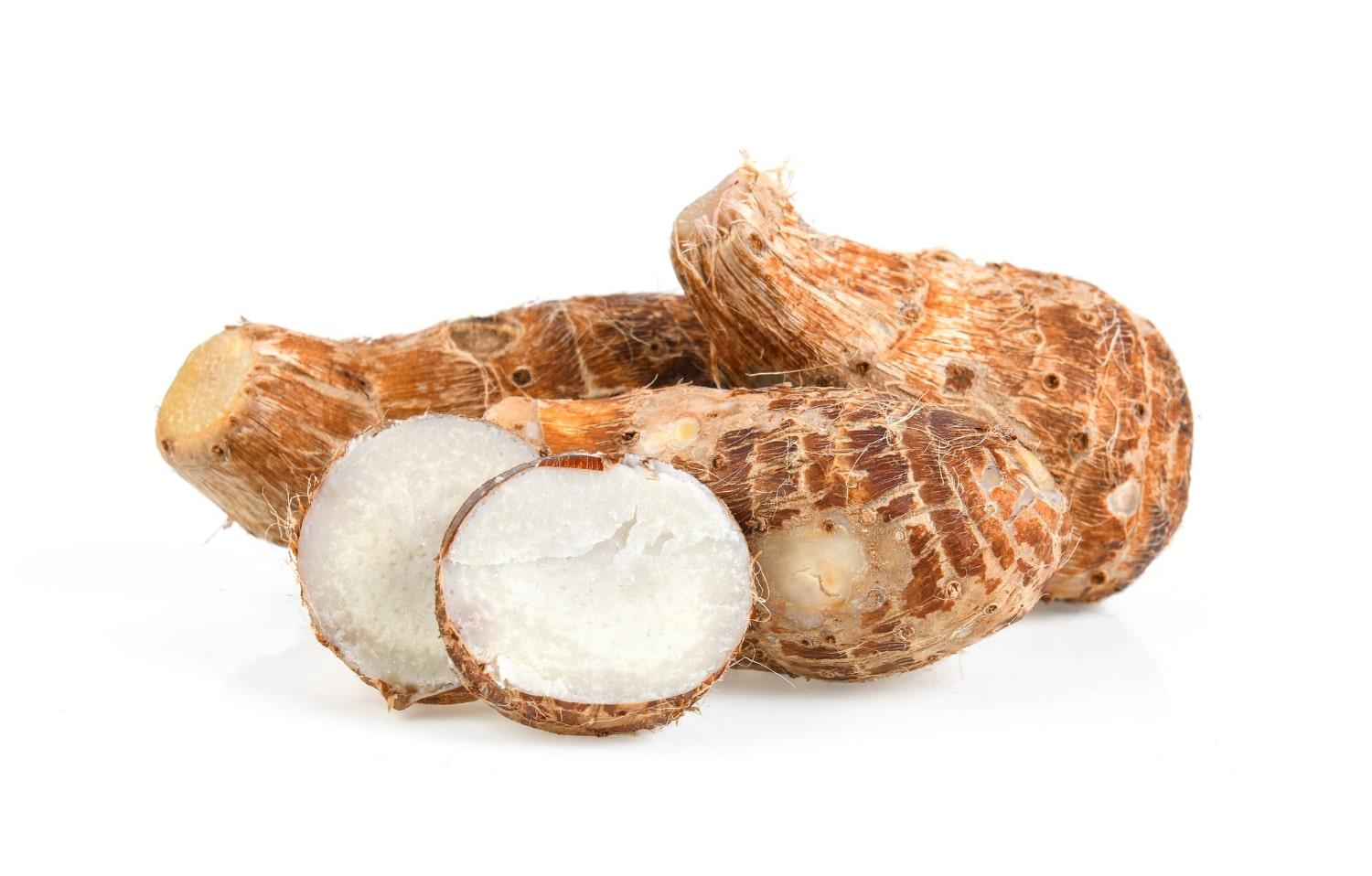
Specialty stores that cater to specific ethnic communities, such as African, Caribbean, or Asian markets, are likely to have cocoyam in stock, stores like our African Food Store sell fresh cocoyam and cocoyam leaves.
Conclusion
Cocoyam and its leaves hold many benefits that enhance the immune system and help individuals stay healthy when incorporated into a diet. So, whether you find cocoyam in the vibrant markets of West Africa, simmering in a stew, or gracing your plate with its starchy goodness, remember the treasure trove of benefits it brings.




 Niyis Afro Caribbean Cuisines and Groceries
Leave a comment