

Welcome to an exploration of the remarkable benefits of lemongrass! This versatile herb, known for its vibrant aroma and refreshing flavor, offers a range of advantages for our health and well-being. From aiding digestion to promoting relaxation, join us as we delve into the numerous ways in which lemongrass can enhance our lives. Get ready to uncover the secrets of this delightful herb and discover how it can bring a burst of vitality to your daily routine.
What is Lemongrass?

Lemongrass is an aromatic herb that belongs to the grass family (Poaceae). It originates from tropical regions such as Southeast Asia, India, and Africa. With its long, slender green blades and a distinct lemony fragrance, lemongrass has become a cherished plant in cultures around the world.
Lemongrass has played a significant role in various traditional medicine systems and culinary traditions. Its use dates back centuries, where it was highly valued for its medicinal properties and aromatic qualities.
Lemongrass was used to treat digestive issues, fevers, and respiratory conditions. It was believed to have a cooling effect on the body and was often used to balance excess heat. It was also used as a sedative to alleviate anxiety and promote relaxation.
The historical significance of lemongrass is not limited to traditional medicine and culinary practices. It holds cultural importance in many societies. For example, lemongrass plays a vital role in Thai culture and cuisine, where it is known as “Takrai.” It is also used in perfumery, cosmetics, and natural skincare products due to its pleasant aroma and potential therapeutic benefits.
Today, lemongrass continues to be highly regarded for its myriad of benefits. Its rich history and diverse use across different cultures highlight the universal admiration for this remarkable herb.
Nutrients found in Lemongrass
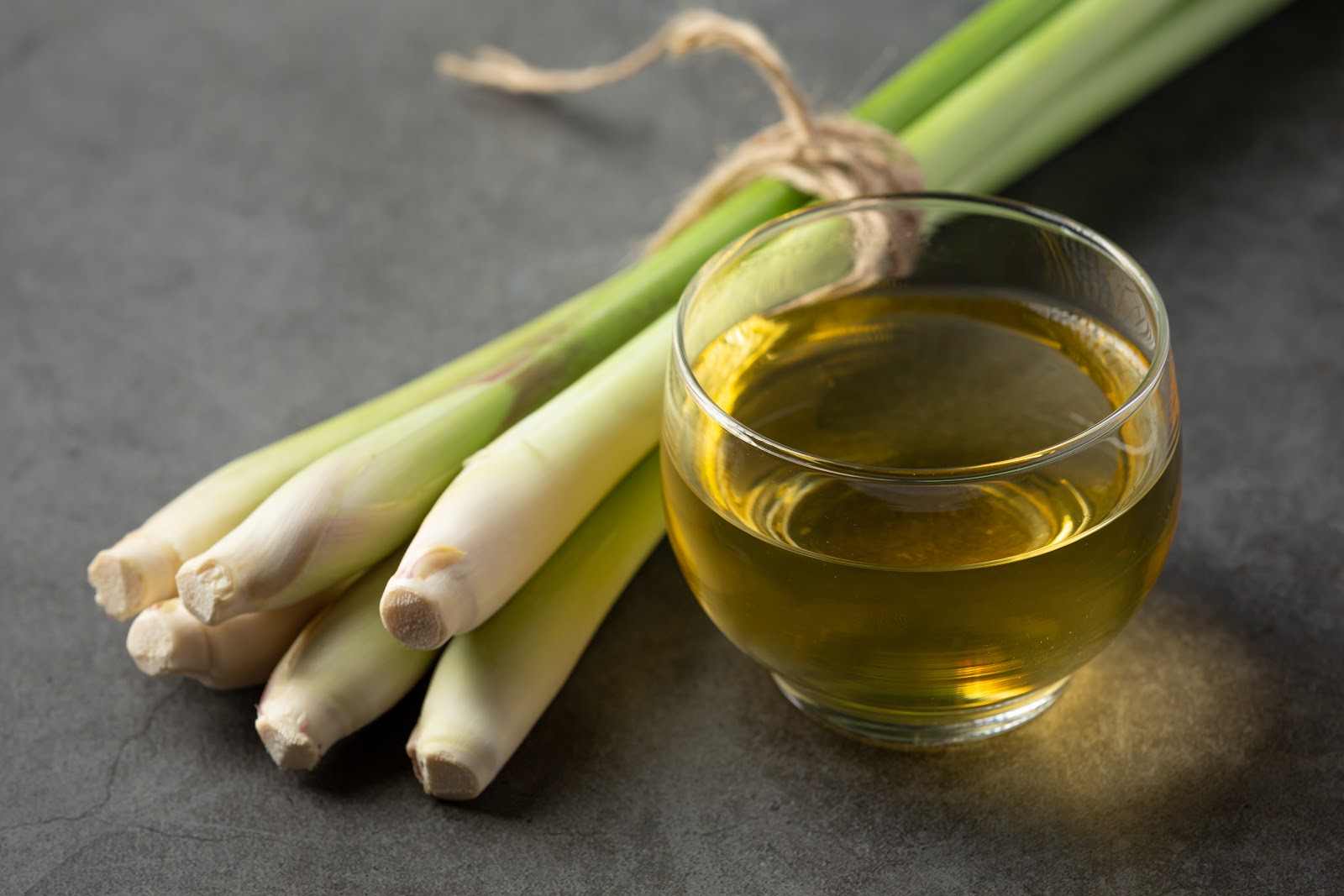
Lemongrass is rich in various essential nutrients that contribute to its health benefits. While the exact nutrient composition of lemongrass may vary slightly depending on the variety and growing conditions, here are some of the key nutrients commonly found in lemongrass:
Vitamins
Lemongrass contains several vitamins, including vitamin C, vitamin A, folate (vitamin B9), and vitamin B6. Vitamin C acts as an antioxidant and supports immune function, while vitamin A is important for vision and skin health. Folate and vitamin B6 are involved in various metabolic processes in the body.
Minerals
Lemongrass is a good source of minerals like potassium, calcium, magnesium, phosphorus, and manganese. These minerals play a crucial role in maintaining healthy bones, supporting nerve function, regulating blood pressure, and participating in enzymatic reactions.
Polyphenols
Lemongrass contains polyphenolic compounds like flavonoids and phenolic acids, that act as antioxidants. These compounds help protect the body’s cells from oxidative stress and may have anti-inflammatory and anticancer properties.
Essential Oils
Lemongrass is known for its aromatic essential oils, like citral, myrcene, geraniol, and limonene. These oils contribute to lemongrass’s distinct fragrance and may have antimicrobial, antifungal, and insect-repellent properties.
Fiber
Lemongrass contains dietary fiber, which aids in digestion, promotes bowel regularity, and helps maintain healthy cholesterol levels.
Health Benefits of Lemongrass
Lemongrass has been associated with several potential health benefits. Here are some of the health benefits that have been attributed to lemongrass:
- Antioxidant and Anti-Inflammatory Properties: Lemongrass contains various compounds, such as polyphenols and flavonoids, that possess antioxidant and anti-inflammatory properties. These properties help protect cells from damage caused by free radicals and contribute to reducing inflammation in the body.
- Digestive Health: Traditionally, lemongrass has been used to support healthy digestion. It helps relieve digestive issues such as bloating, stomach cramps, and indigestion. Lemongrass tea is commonly consumed to promote digestion and promote gut health.
- Immune System Support: The presence of vitamins, particularly vitamin C, in lemongrass can support a healthy immune system. Vitamin C helps boost the production of white blood cells and antibodies, which are essential for defending the body against infections.
- Relaxation and Stress Reduction: The aroma of lemongrass is often used in aromatherapy for its calming and stress-reducing effects. Inhaling the scent of lemongrass essential oil or using it in baths or massages may help promote relaxation and alleviate anxiety.
- Pain Relief: Lemongrass possesses analgesic properties and has traditionally been used to relieve pain, including headaches, muscle aches, and joint discomfort.
- Antibacterial and Antifungal Activity: Lemongrass exhibits antimicrobial properties, making it potentially effective against certain bacterial and fungal infections. Lemongrass extracts may inhibit the growth of bacteria and fungi.
- Potential Cancer-Fighting Properties: Some preliminary studies have shown that certain compounds present in lemongrass may possess anticancer properties. However, more research is required to determine the extent of its effectiveness against different types of cancer.
How to cook with Lemongrass

Lemongrass has a great many uses in the kitchen as it is great cooking ingredient due to it’s aromatic properties. Here are some culinary uses of lemongrass:
- Flavoring Soups and Broths: Lemongrass is widely used in various soups and broths to add a citrusy, aromatic flavor. It goes well with ingredients like ginger, garlic, and chili peppers. Popular examples of lemongrass being used as flavoring include Tom Yum soup in Thai cuisine and various Vietnamese pho recipes.
- Infusing Beverages: Lemongrass can be used to infuse a refreshing flavor into beverages such as teas, iced drinks, and cocktails. Lemongrass tea is a popular herbal infusion known for its calming and soothing properties. Lemongrass complements flavors like mint, lime, and ginger in cocktails and mocktails.
- Marinades and Sauces: Lemongrass is a fantastic ingredient for marinades and sauces, particularly in Asian cuisine. Its bright, tangy flavor adds depth and complexity to dishes. Lemongrass can be combined with ingredients like soy sauce, fish sauce, lime juice, and spices to create flavorful marinades for meats, seafood, and vegetables.
- Stir-Fries and Curries: Lemongrass is a staple in many Asian stir-fries and curries. It adds a distinctive citrusy note and fragrance to the dishes. Lemongrass is often sliced or crushed to release its flavors and then added to the wok or pot along with other ingredients like vegetables, meat, or tofu.
- Herbal Seasoning: Dried lemongrass can be used as an herb or seasoning in various dishes. It is commonly found in spice blends and rubs for meat, poultry, and fish. Lemongrass can also enhance the flavor of rice dishes, noodles, and stir-fried vegetables.
- Baked Goods and Desserts: Lemongrass can lend its unique flavor to baked goods and desserts. It can be used to infuse custards, creams, and syrups for cakes, pastries, and ice creams. Lemongrass pairs well with tropical fruits like mango and coconut in desserts.
- Infused Oils and Vinegars: Lemongrass-infused oils and vinegars can be used as condiments or for salad dressings. The oils can add a zesty, aromatic touch to dishes, while lemongrass vinegar can provide a tangy, citrusy flavor.
- Pickling and Preserving: Lemongrass can be used to infuse pickles and preserves, adding a bright and tangy flavor to the preserved ingredients. It is often combined with other aromatics like garlic, chili peppers, and spices for pickling vegetables or making chutneys.
The vital role of lemongrass in digestive health
Lemongrass plays a very key role in digestive health, a reason why it is often used to make teas and in cooking.
It has calming and anti-inflammatory properties that can help soothe the digestive system. It can alleviate digestive discomfort, such as bloating, cramping, and stomach aches, by reducing inflammation in the gastrointestinal tract.
Lemongrass contains compounds like citral, which can stimulate the production of digestive enzymes. These enzymes help break down food and facilitate proper digestion. Improved digestion can prevent issues like indigestion, constipation, and diarrhea.
Lemongrass has carminative properties, meaning it can help reduce excess gas and relieve bloating. It can relax the muscles of the gastrointestinal tract, allowing trapped gas to be expelled more easily.
Inflammation in the digestive system can lead to conditions like gastritis and inflammatory bowel diseases (IBD). Lemongrass contains anti-inflammatory compounds that can help reduce inflammation in the gut and alleviate associated symptoms.
Lemongrass has a calming effect on the nervous system, which can help relieve stress-related digestive issues. It can soothe a nervous stomach and reduce symptoms like nausea and stomach discomfort caused by anxiety or tension.
Lemongrass possesses antimicrobial properties, including against bacteria and fungi. This can be beneficial for the digestive system, as it may help reduce the growth of harmful microorganisms that can cause digestive infections or imbalances.
Lemongrass has detoxifying properties that can aid in the elimination of toxins from the body. This cleansing effect can help improve overall digestive function and promote a healthier gut environment.
Studies have suggested that lemongrass may have potential anti-ulcer effects by reducing gastric acid secretion and protecting the stomach lining. This can be beneficial for individuals with gastric ulcers or those at risk of developing them.
How to Prepare Lemongrass Tea
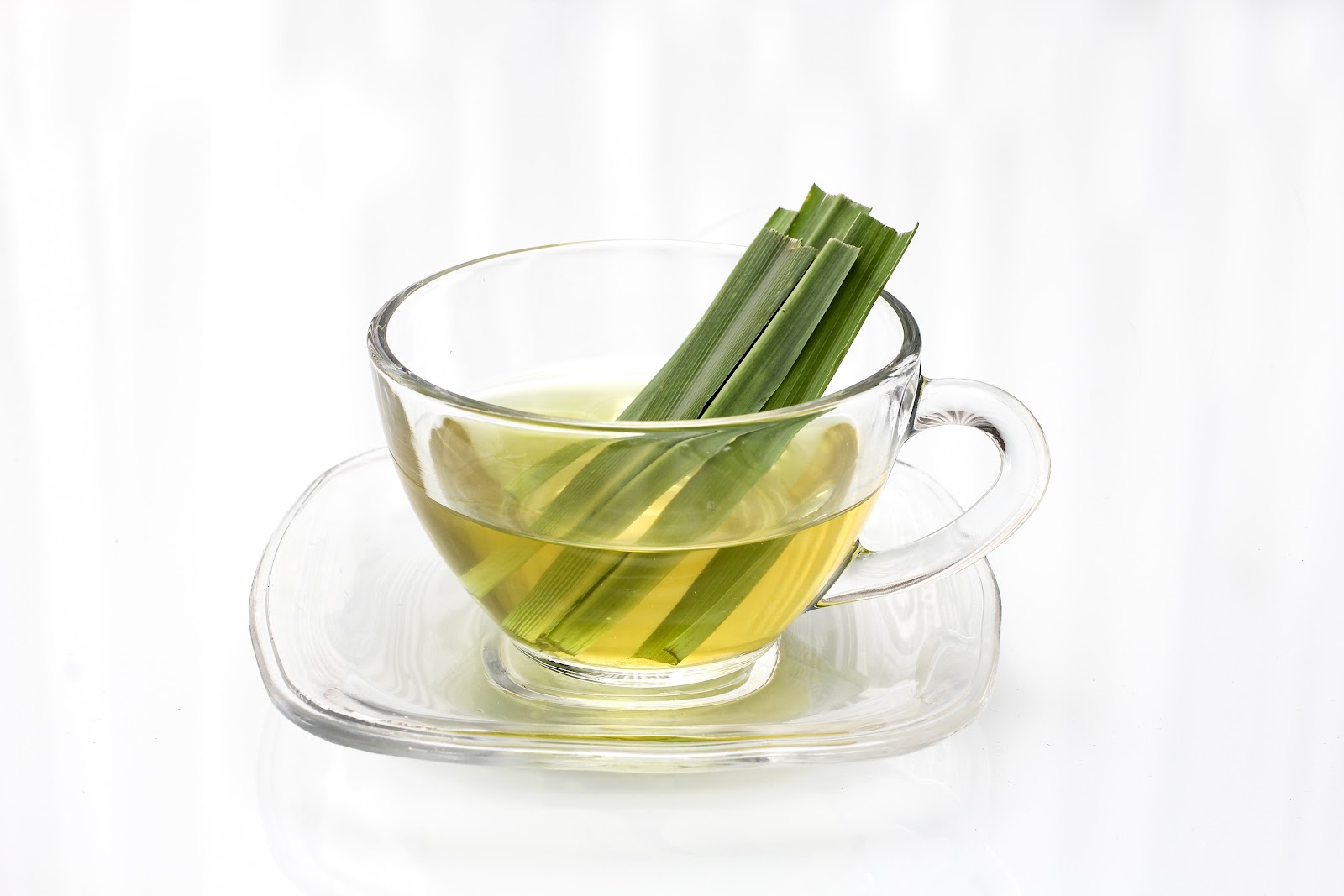
Preparing lemongrass tea is a simple and enjoyable process. Here’s a basic recipe to help you make a soothing cup of lemongrass tea from lemongrass stalks:
Ingredients
- 2 to 3 stalks of fresh lemongrass (tender lower part)
- 2 cups of water
- Honey or sweetener (optional)
- Lemon or lime slices (optional)
Instructions
- Start by removing the tough outer layers of the lemongrass stalks until you reach the tender lower part. Cut off the woody ends and discard them. Wash the lemongrass stalks thoroughly.
- Using the back of a knife or a rolling pin, gently crush or bruise the lemongrass stalks. This will help release the aromatic oils and flavor.
- In a saucepan, bring the water to a boil.
- Once the water is boiling, add the crushed lemongrass stalks to the saucepan. Reduce the heat to low and let it simmer for about 5 to 10 minutes, allowing the flavors to infuse.
- After simmering, remove the saucepan from the heat. Let the lemongrass steep in the hot water for an additional 5 minutes. This step helps extract more of the flavor. Then, strain the tea to remove the lemongrass stalks.
- If desired, add honey or your preferred sweetener to the tea, stirring until dissolved. You can also add a slice of lemon or lime for an extra citrusy kick.
To prepare lemongrass tea from tea bags, follow these simple steps:
- You will need lemongrass tea bags, water, and optional sweeteners such as honey or sugar.
- Boil water: Bring a pot or kettle of water to a boil. The amount of water will depend on how many cups of tea you want to make.
- Once the water has boiled, place the lemongrass tea bag into a teacup.
- Carefully pour the boiling water over the tea bag in the cup. Fill the cup with enough water to cover the tea bag completely.
- Allow the tea bag to steep in the hot water for about 5 to 7 minutes. This will allow the flavors and aroma of the lemongrass to infuse into the water.
- If desired, add sweeteners like honey or sugar to taste. Stir well to dissolve the sweetener.
- Once the tea has steeped to your desired strength, carefully remove the tea bag from the cup and enjoy your tea.
Conclusion
Lemongrass is a versatile and remarkable herb that offers numerous benefits for our health and well-being. From its delightful citrusy aroma to its rich array of beneficial compounds, lemongrass has proven to be a valuable addition to our culinary and wellness routines.




 Niyis Afro Caribbean Cuisines and Groceries
Leave a comment