

In the world of herbal teas, Cerasee tea stands out as a hidden gem, cherished for its distinct flavor and a myriad of potential health benefits. A beverage deeply rooted in traditional herbal remedies, Cerasee tea offers a refreshingly bitter taste that has captured the palates of many. Join us as we embark on a journey to explore the flavors, the history, and the wellness secrets behind this remarkable and invigorating brew. From its Caribbean origins to its growing global popularity, Cerasee tea is more than just a delightful infusion—it’s a sip of tradition and well-being.
What is Cerasee Tea?
Cerasse tea, also known as cerassie tea, is a type of herbal tea made from the leaves and vines of the bitter melon plant, scientifically known as Momordica charantia. The plant is native to tropical and subtropical regions and is grown in various parts of the world, including the Caribbean, South America, Asia, and Africa.
What Does Cerasee Tea Taste Like?
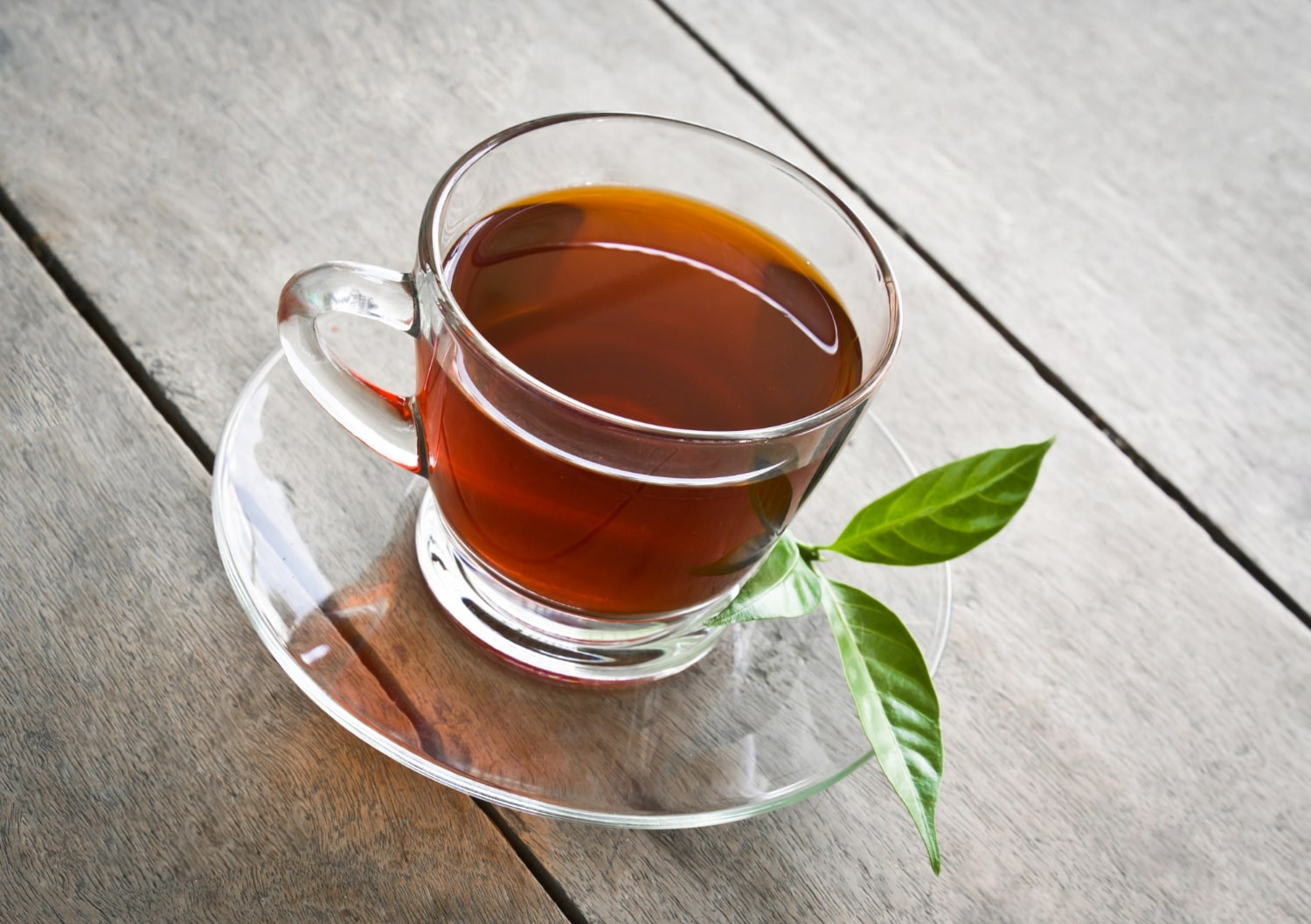
Cerasee tea, also known as cerassie tea, is known for its extremely bitter taste. The bitterness of cerassie tea is quite intense and can be a challenge for those who are not accustomed to bitter flavors. It has a sharp, astringent, and somewhat acrid taste that lingers on the palate.
The strong bitterness of cerasee tea is due to the presence of compounds called cucurbitacins, which are responsible for the characteristic bitter flavor of the bitter melon plant (Momordica charantia) from which the tea is made. Some people describe the taste of cerassie tea as similar to extremely bitter greens or intensely bitter herbal infusions
Benefits of Cerasee Tea
Diabetes Management
Cerasee tea is often used in traditional medicine as a remedy for diabetes. It is believed to help lower blood sugar levels and improve insulin sensitivity. Some research suggests that compounds found in bitter melon, the plant from which cerasee tea is made, may have antidiabetic properties.
Weight Management
Some people use cerasee tea as part of their weight management efforts. It is thought to support weight loss due to its potential impact on blood sugar regulation and metabolism. However, more research is needed to confirm this effect.
Antioxidant Properties
Bitter melon, the main ingredient in cerasee tea, is rich in antioxidants. Antioxidants help protect cells from damage caused by free radicals, which may reduce the risk of chronic diseases.
Digestive Health
Cerasee tea is sometimes used to promote healthy digestion and alleviate digestive issues, including constipation. The bitter compounds in the tea are believed to stimulate digestion and help with bowel regularity.
Immune System Support
Bitter melon, and by extension cerasee tea, is considered to have immune-boosting properties. It may help enhance the body’s natural defenses against infections.
Liver Health
Some traditional medicine practices use cerasee tea for liver support. It is thought to promote the detoxification of the liver and improve liver function.
Skin Health
Cerasee tea is sometimes used topically or consumed for its potential benefits to skin health. The antioxidants and anti-inflammatory properties of the bitter melon plant may contribute to healthier skin.
Does Cerasee Tea Clean Your System?
Yes, Cerasee tea contains detoxifying properties and is used in some traditional and alternative medicine practices for this purpose.
Cerasee tea has a mild diuretic effect, which means it can increase urine production, potentially helping to eliminate excess fluids and some waste products from the body. Additionally, the bitter compounds in cerasee tea may stimulate digestion and support the liver, which plays a key role in detoxification.
Is Cerasee Tea Good For Skin?
Cerasee tea contains antioxidants that can help protect skin cells from damage caused by free radicals. This may reduce the signs of premature aging and help maintain a healthy complexion.
Inflammation can play a role in various skin conditions, including acne and skin irritations. Cerasee tea’s potential anti-inflammatory properties may help alleviate these conditions.
Some believe that the detoxifying effects of cerasee tea may contribute to healthier skin by helping the body eliminate waste and toxins.
Cerasee Tea and it’s Benefits in Menstruation
Cerasee tea is used for its potential benefits during menstruation. Cerasee tea has mild analgesic (pain-relieving) properties due to its potential anti-inflammatory effects and it is believed to help alleviate menstrual cramps and discomfort.
Cerasee tea is believed to reduce heavy menstrual flow, potentially due to its impact on blood circulation. Some individuals use cerasee tea to address irregular menstruation or amenorrhea (lack of menstruation). It is thought to promote hormonal balance.
Is Cerasee Tea Good For Pregnancy?
Cerasee tea is believed to have uterine-stimulant properties, which means it might encourage contractions of the uterus. Consuming cerasee tea during pregnancy could potentially lead to uterine contractions, which is not desirable, especially in the early and mid-stages of pregnancy.
Due to its potential to stimulate uterine contractions, there is concern that cerasee tea could increase the risk of miscarriage, preterm labor, or other pregnancy complications. This is especially true if consumed in excessive amounts or at high concentrations.
How Often Should You Drink Cerasee Tea?

The frequency at which you should drink cerasee tea can vary depending on your personal preferences, health goals, and individual tolerance to its bitterness. There is no one-size-fits-all answer.
Due to its intense bitterness, it’s generally recommended to consume cerasee tea in moderation. Drinking it excessively may not be pleasant and could lead to gastrointestinal discomfort in some individuals.
Some people may choose to drink cerasee tea daily or regularly, typically one to two cups per day. This frequency is often suggested for individuals who are looking to incorporate it into their routine for potential health benefits.
If you find the taste of cerasee tea too strong or unpleasant, you can choose to drink it on an intermittent basis. For example, you might have a cup a few times a week rather than every day.
How Long Does It Take For Cerasee Tea To Work?
Some people may notice immediate effects from drinking cerasee tea, especially related to its intense bitterness. You’ll likely experience the strong bitter taste as soon as you take a sip.
If you are using cerasee tea for its potential impact on blood sugar levels or digestion, you might notice some short-term effects within a few hours or over a few days. For example, it may help regulate blood sugar levels after a meal, or it might stimulate digestion and relieve mild digestive discomfort.
Many of the potential health benefits associated with cerasee tea may require longer-term and consistent consumption to become noticeable. For instance, if you are using it for weight management, diabetes control, or liver support, it may take weeks or even months of regular consumption to see any significant results.
How To Make Cerasee Tea
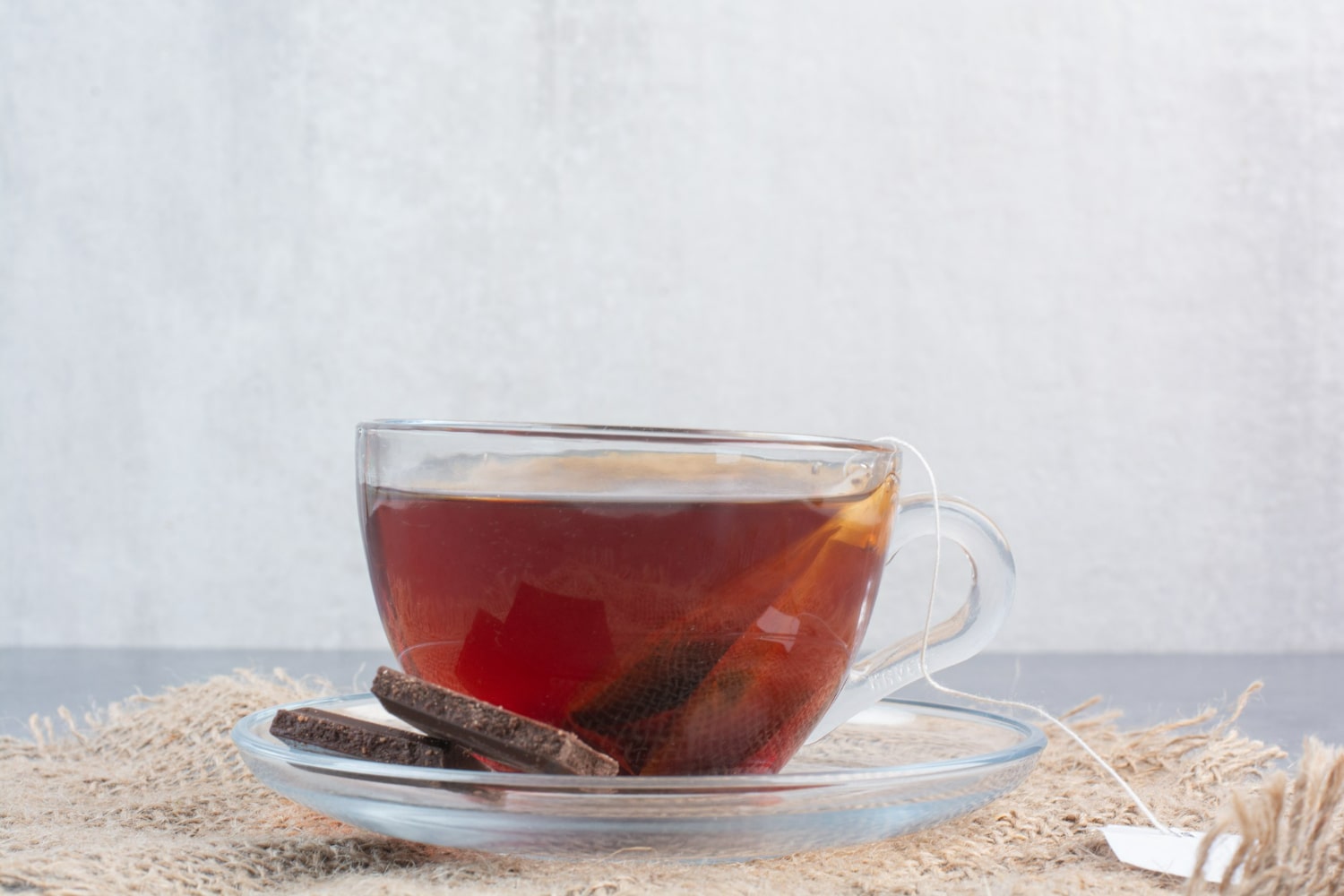
Cerasee tea is traditionally made using fresh or dried cerasee leaves and is known for its intense bitterness. If you’re looking to make a milder version of cerasee tea using tea bags, you can follow these steps:
Ingredients
- 2 cerasee tea bags
- 2 cups of water
- Sweetener
Instructions
Start by boiling 2 cups of water in a kettle or on the stovetop.
If you have cerasee tea bags, simply place two of them in a teapot or a heatproof container.
Carefully pour the boiling water over the tea bags. Make sure the water covers the tea bags completely.
Allow the tea bags to steep in the hot water for about 5-10 minutes. You can adjust the steeping time to your taste preference. A longer steeping time will result in a stronger, more bitter tea.
After steeping, remove the cerasee tea bags from the water. Squeeze them gently to extract any additional flavor, but be cautious, as cerasee tea can be extremely bitter.
If you find the tea too bitter, you can add sweetener to taste. Common sweeteners used are honey or sugar. Start with a small amount and add more if needed. Keep in mind that the bitterness of cerasee tea is a characteristic feature, so consider adjusting your palate to it if possible.
Allow the tea to cool to a comfortable drinking temperature and then serve it in a cup.
Where To Buy Cerasee Tea
Some grocery stores and health food stores may sell cerasee tea, particularly in areas with a Caribbean or West Indian population. Here at our African Food Store we sell fresh cerasee tea for you to buy.
Conclusion
Exploring the refreshing taste of Cerasse tea is not merely a journey through a unique flavor profile, but also an invitation to experience the countless potential health benefits it may offer. Its robust, earthy taste, with an undertone of bitterness, might be an acquired one, but it is a taste that resonates with tradition and the wisdom of generations.
Cerasse tea, a beloved beverage in many cultures, has piqued the curiosity of those seeking both an invigorating sip and a natural remedy. From its potential impact on blood sugar levels to its role in digestive health, its antioxidants and anti-inflammatory properties, Cerasse tea is more than just a beverage; it’s a herbal elixir celebrated for its holistic benefits.



 Niyis Afro Caribbean Cuisines and Groceries
Leave a comment