
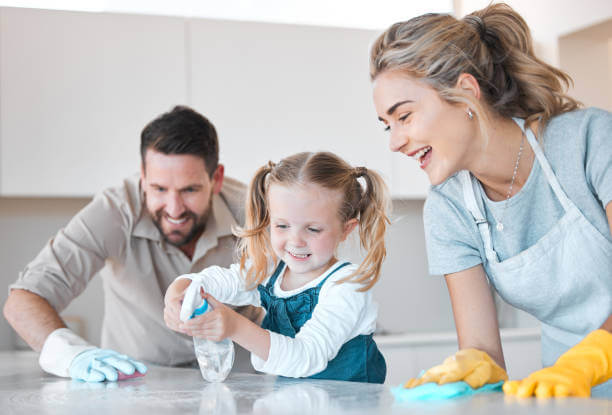
Hey there, folks! It’s that time of the year again—winter has arrived, and with it, the dreaded flu season. It seems like everyone around you is sniffling and sneezing, and you’re doing everything in your power to avoid catching the bug. But have you stopped to think about the surfaces in your home that could be harboring those pesky flu germs? Let’s talk about how to disinfect those surfaces and keep your living space as germ-free as possible.

Importance of Disinfecting Your Household Surfaces
Ah, winter— the season of cozy sweaters, hot cocoa, and, unfortunately, the flu. It seems like every year, as soon as the temperatures drop, the flu virus starts making its rounds. Whether it’s at the office, a crowded subway, or even just visiting a friend’s house, the flu can seem almost unavoidable. That’s why it’s so important to be extra vigilant about keeping surfaces clean to prevent its spread.
Think about it—every time you touch a doorknob, grab a shopping cart or use an ATM, you’re coming into contact with surfaces that could potentially harbor flu germs. And with so many people getting sick during the winter months, it’s easy to see how quickly those germs can spread. That’s why keeping surfaces clean is crucial in the fight against the flu.
So, what can we do to help prevent the spread of the flu through surfaces? Well, for starters, regular cleaning and disinfecting of commonly touched surfaces can go a long way. This includes things like countertops, tables, remote controls, and, of course, your trusty smartphone. Using disinfectant wipes or sprays can help kill any lingering flu germs and reduce the risk of transmission.
Another key aspect of preventing the spread of the flu is practicing good hand hygiene. Washing your hands with soap and water for at least 20 seconds, especially after being in public spaces, can help remove any flu germs you may have come into contact with. And if soap and water aren’t available, using an alcohol-based hand sanitizer can also be effective.
In addition to cleaning surfaces and practicing good hand hygiene, it’s also important to be mindful of our own habits during flu season. If you’re feeling under the weather, it’s best to try and stay home to rest and avoid spreading germs to others. And if you do need to go out in public, consider wearing a mask to prevent the spread of droplets that could contain flu viruses.

What is the Flu Virus?
The flu, short for influenza, is a highly contagious respiratory illness caused by influenza viruses. These viruses can be spread through tiny droplets when people with the flu cough, sneeze, or even talk. You can catch the flu by inhaling these droplets or by touching a surface or object that has the flu virus on it and then touching your own mouth, nose, or possibly your eyes.
The flu virus can also spread before a person even knows they are sick. This means that someone with the flu can pass it on to others before showing any symptoms themselves. That’s why the flu can spread so quickly, especially in crowded places like schools, offices, and public transportation.
Once the flu virus enters your body, it attacks the respiratory system, causing symptoms like fever, cough, sore throat, runny or stuffy nose, body aches, headaches, fatigue, and sometimes vomiting and diarrhea, especially in children. It can make you feel absolutely miserable, and in some cases, it can lead to serious complications, especially in young children, older adults, and people with weakened immune systems.
That’s why it’s so important to take precautions to prevent the spread of the flu, such as getting the flu vaccine, washing your hands frequently, covering your mouth and nose when you cough or sneeze, and staying home when you’re sick to avoid spreading the virus to others. Remember, a little prevention can go a long way in stopping the flu from wreaking havoc during the flu season.
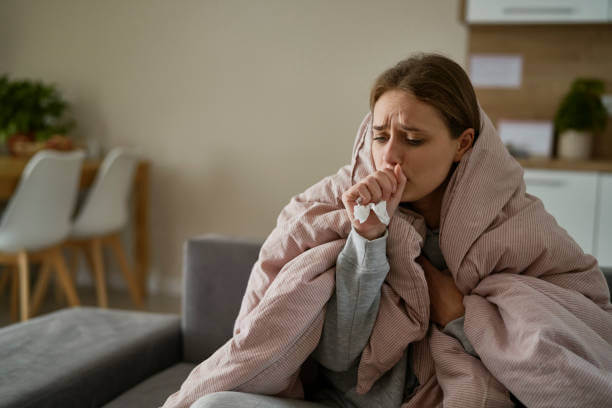
High-touch Surfaces to Target
Common high-touch surfaces in the home that are prone to harboring flu germs include:
- bathroom faucets
- toilet handles
- cabinet handles
- refrigerator handles
- microwave buttons
- computer keyboards.
Additionally, household items such as cell phones, tablets, and gaming controllers are often touched frequently and can become breeding grounds for flu germs. It’s important to regularly clean and disinfect these surfaces to help prevent the spread of flu and other illnesses within the household.
Regular cleaning with disinfectant wipes or sprays can help reduce the risk of transmitting germs from these commonly touched surfaces. Staying vigilant in keeping these high-touch areas clean can contribute to a healthier home environment for you and your family.
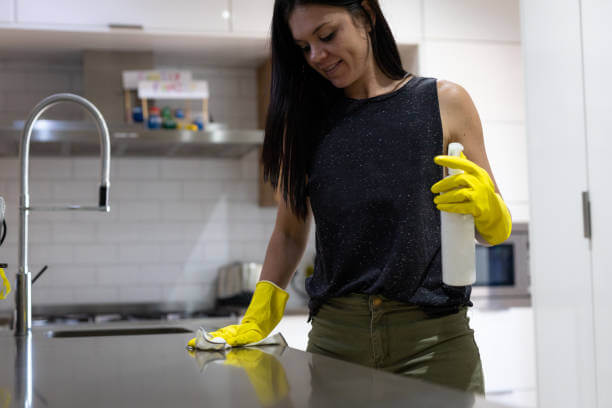
Choosing the Right Products
When it comes to keeping our homes and workplaces germ-free, using the right disinfectant is essential. There are several types of disinfectants available on the market, each with its strengths and weaknesses in terms of effectiveness against the flu virus.
Alcohol-based disinfectants
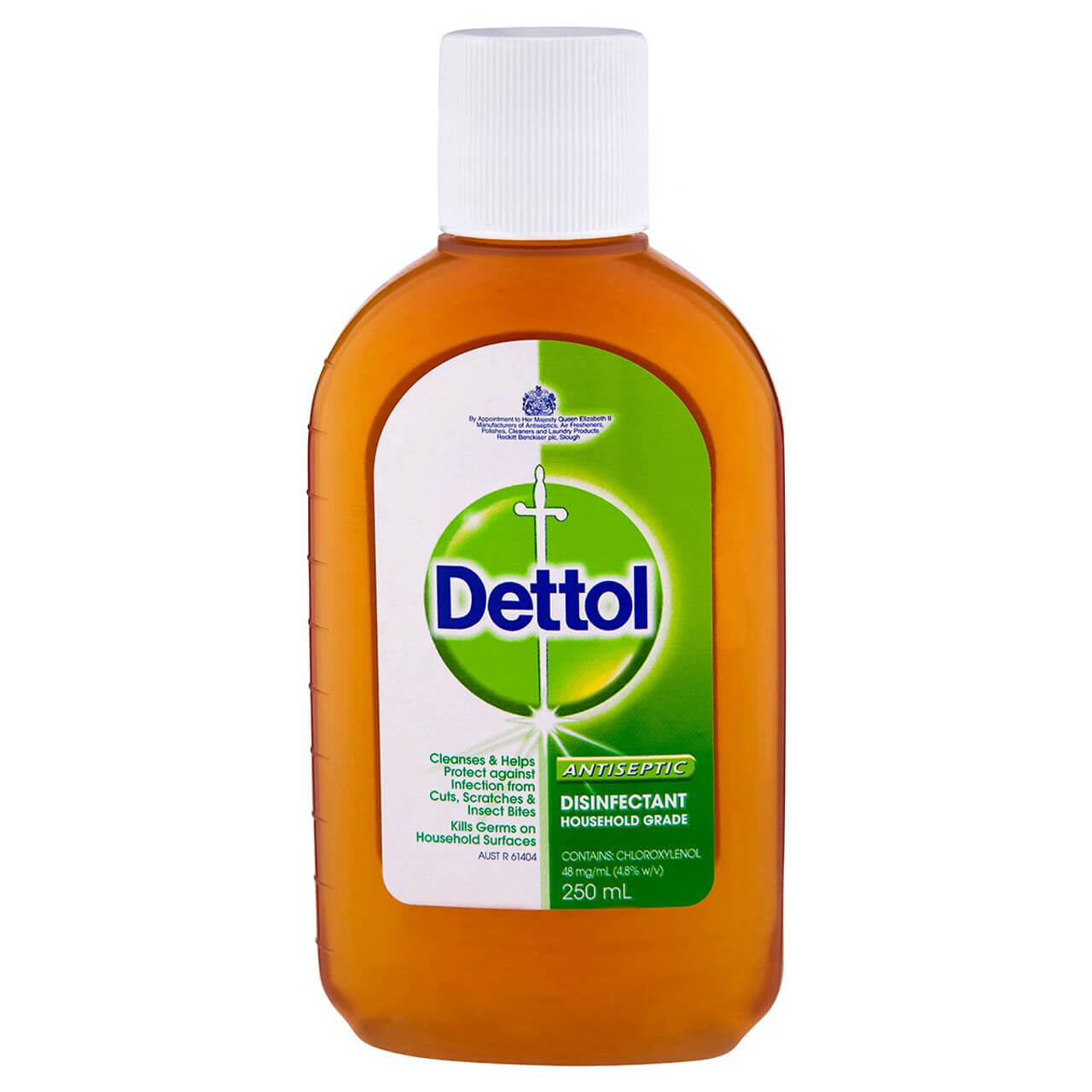
These are among the most commonly used disinfectants and are effective against a wide range of viruses, including the flu virus. Look for products with at least 60% alcohol content for maximum effectiveness. Examples of alcohol-based disinfectants include hand sanitizers and surface sprays like Dettol Liquid Antiseptic.
Bleach-based disinfectants
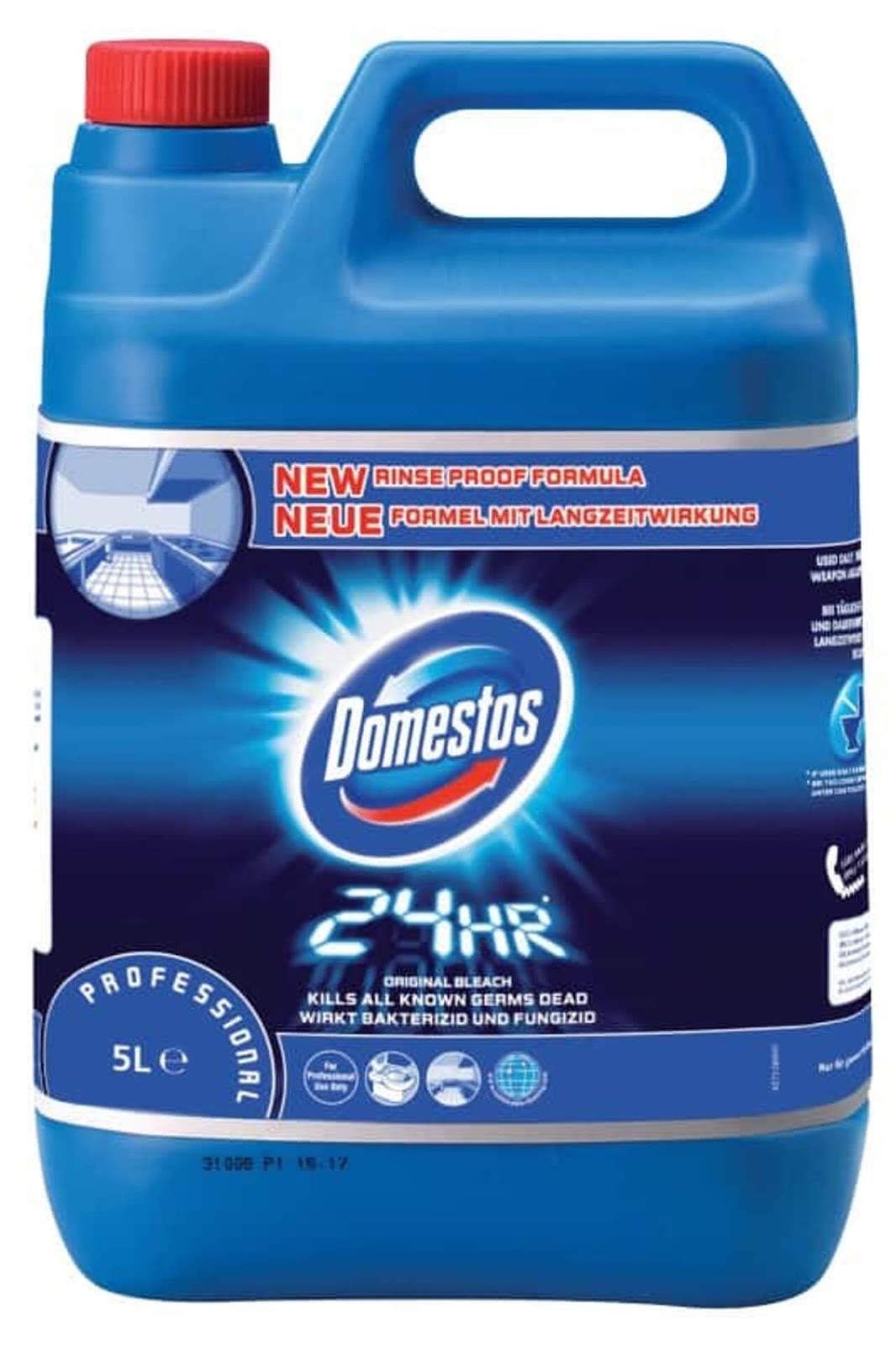
Bleach is a powerful disinfectant that is effective against a broad spectrum of germs, including the flu virus. To use bleach as a disinfectant, it should be diluted according to the manufacturer’s instructions. Bleach-based disinfectants are commonly used for cleaning and disinfecting surfaces in homes and healthcare facilities. An example of a bleach-based disinfectant is the Domestos Thick Bleach.
Hydrogen peroxide-based disinfectants
Hydrogen peroxide is a versatile disinfectant that is effective against bacteria, viruses, and fungi, including the flu virus. It is often used in healthcare settings and is available in various forms, including wipes and sprays.
Quaternary Ammonium Compounds (Quats)
These disinfectants are widely used in healthcare settings and are effective against a broad range of pathogens, including the flu virus. They are available in various forms, including surface wipes and disinfectant sprays.
Phenolic disinfectants
Phenolic disinfectants are effective against a wide range of microorganisms, including the flu virus. These disinfectants are commonly used in healthcare settings and are available as surface sprays and wipes.
When it comes to choosing the most effective disinfectant against the flu virus, it’s important to consider the specific areas and surfaces that need to be cleaned. For general high-touch characters and regions, alcohol-based disinfectants and hydrogen peroxide-based disinfectants are effective choices. For more heavy-duty cleaning, such as in healthcare settings, bleach-based disinfectants, Quaternary Ammonium Compounds, and Phenolic disinfectants are recommended.
Proper disinfection techniques
Disinfecting surfaces in your home is crucial for maintaining a clean and healthy environment, especially during times when germs and viruses are a concern. Here are some simple steps to properly disinfect surfaces and keep your home safe.
- Choose the right disinfectant: Look for a disinfectant that is approved by health authorities and specifically labeled to kill viruses and bacteria. Common household disinfectants such as bleach, hydrogen peroxide, and alcohol-based cleaners are effective options.
- Prepare the surface: Before applying the disinfectant, make sure the surface is clean of any visible dirt or debris. Use a regular household cleaner to wipe down the surface and remove any grime.
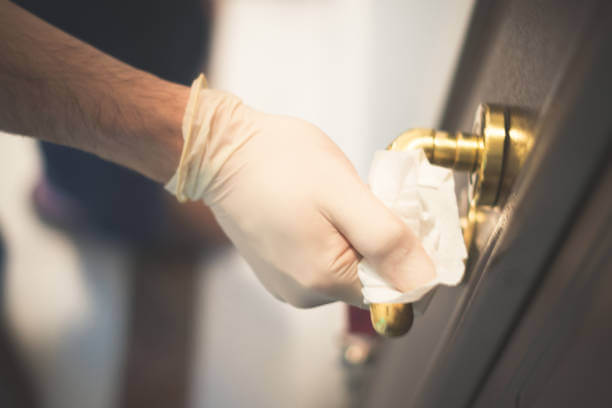
- Apply the disinfectant: Follow the instructions on the disinfectant’s label for proper application. Most disinfectants recommend using a cloth or disposable wipe to apply the solution evenly across the surface. Be sure to wear gloves to protect your skin from the chemicals.
- Let it sit: After applying the disinfectant, it’s important to let it sit on the surface for the recommended amount of time. This will allow the disinfectant to kill any germs or viruses present effectively. Check the label for the specific contact time, which can range from a few seconds to several minutes.
- Wipe clean: Once the contact time is up, use a clean cloth or paper towel to wipe the surface and remove any excess disinfectant. Be sure to dispose of any used wipes or materials properly to avoid cross-contamination.
- Ventilation: If using a strong disinfectant, ensure proper ventilation by opening windows or using a fan to help dissipate any fumes and reduce the chemical odor.
N.B: Always follow safety guidelines when using disinfectants. This includes wearing gloves, working in a well-ventilated area, and avoiding mixing different types of disinfectants, which can create toxic fumes.
Sharing Tips and Tricks
Another great tip for keeping surfaces clean is to stock up on disposable disinfectant wipes for quick clean-ups. Keep a container of wipes in commonly used areas such as the kitchen, bathroom, and office so they’re readily accessible when spills or messes occur. These wipes are convenient for wiping down countertops, doorknobs, light switches, and other high-touch surfaces to help reduce the spread of germs.
Incorporating regular cleaning into your routine can also make a big difference in maintaining clean surfaces. Set aside time each day or week to dedicate to cleaning different areas of your home or workspace. This could involve tasks such as dusting, vacuuming, mopping, and disinfecting surfaces. By integrating these cleaning tasks into your regular schedule, you can prevent dirt and grime from building up and ensure that your surroundings stay tidy and hygienic.
Additionally, it’s important to pay attention to specific cleaning needs for different surfaces. For example, wooden furniture may require special polish and cleaners, while electronic devices need to be gently wiped down with appropriate materials. Understanding the cleaning requirements for various surfaces can help you effectively maintain cleanliness without causing damage.
Lastly, don’t forget to properly dispose of used cleaning materials and disinfectant wipes after use. This will help prevent the spread of germs and keep your cleaning supplies organized. By following these tips and incorporating them into your cleaning routine, you can ensure that your surfaces remain clean and welcoming for both yourself and your guests.
Don’t Forget about Soft Surfaces
While we all know the importance of keeping our hands clean and disinfecting hard surfaces during flu season, it’s easy to overlook the fact that flu germs can also linger on soft surfaces like upholstery, bedding, and curtains. It’s crucial to take some extra steps to keep these items clean to help prevent the spread of those pesky flu germs. Here are some tips for keeping your soft surfaces germ-free:
- Wash bedding regularly: Make sure to wash your sheets, pillowcases, and blankets regularly in hot water to kill any flu germs that may be lurking there. Don’t forget about your pillows, to—most can be washed in the machine as well!
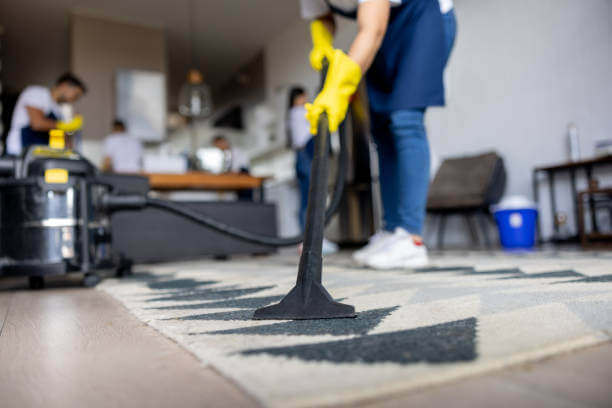
- Vacuum upholstery and curtains: Use your vacuum’s upholstery attachment to clean your couches, chairs, and curtains thoroughly. This will help remove any flu germs or dust that may have settled there.
- Use fabric-safe disinfectant: Consider using a fabric-safe disinfectant spray on your upholstery and curtains to kill any germs without damaging the fabric. Be sure to follow the instructions on the spray bottle and test it on a small, inconspicuous area first.
- Steam clean upholstery: If you have the means, steam cleaning your upholstery can be an effective way to kill germs and bacteria without using harsh chemicals.
- Don’t forget the throw pillows: If you have decorative throw pillows on your couch or bed, don’t overlook these when cleaning. Many throw pillows have removable covers that can be thrown in the wash, while others may need to be spot-cleaned or dry-cleaned.
- Air it out: Whenever possible, try to air out your soft surfaces by opening windows and letting fresh air in. This can help reduce the buildup of germs and stale odors.
By taking these extra steps to keep your soft surfaces clean, you can help reduce the risk of spreading flu germs in your home. Stay healthy, everyone!
Conclusion
Now that you’ve learned about these effective disinfection methods, you can see how simple it is to keep your home or workplace clean and germ-free during flu season. By regularly disinfecting high-touch surfaces and commonly used items, you can help reduce the spread of germs and protect yourself and those around you from getting sick.
Remember, whether it’s doorknobs, light switches, electronic devices, or countertops, keeping these surfaces clean is essential for maintaining a healthy environment. This not only applies during flu season but also throughout the year, especially in high-traffic areas. Consistent and thorough cleaning practices can make a significant difference in preventing the spread of illnesses.
Thank you for taking the time to learn about the importance of effective disinfection methods. By staying informed and implementing these practices, you’re actively contributing to a healthier and safer living or working space for yourself and others. Let’s all do our part in keeping surfaces clean and staying healthy, particularly during flu season. You can check out our store at Niyis.co.uk to get your household items!




 Niyis Afro Caribbean Cuisines and Groceries
Leave a comment