
In the vast desert landscapes, where resources are scarce, camels have thrived for centuries, and their milk has served as a great nourishment. Beyond its cultural significance, camel milk has gained attention for its potential health benefits. Packed with unique nutrients and bioactive compounds, this lesser-known dairy alternative offers a range of advantages for various aspects of well-being. Explore the surprising health benefits of camel milk, from and unlock its secrets for a healthier and more vibrant life.
What is Camel Milk?
Camel milk is a type of milk produced by female camels. It is a traditional beverage in regions where camels are found, such as the Middle East, Africa, and parts of Asia. Camel milk has a different composition compared to cow’s milk, making it a unique dairy products. It is slightly saltier in taste and has a creamy texture.
Due to its composition, camel milk is often considered easier to digest compared to cow’s milk and may be suitable for individuals with lactose intolerance.
It’s worth noting that the United Nations Food and Agriculture Organization (FAO) has highlighted the nutritional value and potential health benefits of camel’s milk. According to the United Nations, camel’s milk is rich in vitamins, minerals, and proteins, and it has been traditionally consumed in arid and semi-arid regions where camels are prevalent.
What does Camel Milk taste like?
Camel milk has a distinct taste that can be described as slightly sweet and salty with a hint of richness. The flavor is often compared to a combination of cow’s milk and goat’s milk, but with its own unique profile. Some individuals find camel milk to have a smoother and creamier texture compared to cow’s milk. It’s important to note that taste preferences can vary among individuals, and personal experiences with camel milk may differ.
Nutritional Content of Camel Milk
Camel milk boasts an impressive nutritional composition. While it may differ slightly from cow’s milk in terms of specific values, camel milk offers a range of essential nutrients. Here is an overview of the nutritional composition of camel milk per 100ml
- Calories: Approximately 70-120 calories, depending on the fat content.
- Protein: Around 3.5-4.5 grams, providing all essential amino acids.
- Fat: Typically contains 3-5 grams of fat, with a higher proportion of healthy unsaturated fats compared to cow’s milk.
- Carbohydrates: Approximately 4.5-5.5 grams, mainly lactose, the naturally occurring sugar in milk.
- Vitamins: Camel milk is a good source of vitamins A, B1 (thiamine), B2 (riboflavin), B3 (niacin), and C. It also contains traces of vitamins D, E, and K.
- Minerals: It is rich in essential minerals such as calcium, phosphorus, potassium, magnesium, iron, zinc, copper, and selenium.
- Vitamins: Camel milk is a good source of vitamins A, B1 (thiamine), B2 (riboflavin), B3 (niacin), and C. It also contains traces of vitamins D, E, and K.
- Minerals: It is rich in essential minerals such as calcium, phosphorus, potassium, magnesium, iron, zinc, copper, and selenium.
- Camel milk is known to contain unique immunoglobulins (antibodies) that may contribute to its potential therapeutic effects on the immune system.
- It also contains lactoferrin, lysozyme, and other bioactive compounds that possess antimicrobial and antioxidant properties.
- Camel milk is known to contain unique immunoglobulins (antibodies) that may contribute to its potential therapeutic effects on the immune system.
- It also contains lactoferrin, lysozyme, and other bioactive compounds that possess antimicrobial and antioxidant properties.
Digestive Health Benefits of Camel Milk
Camel milk has been attributed to several digestive health benefits, supporting a healthy gut and aiding in various gastrointestinal conditions.
Camel milk contains a different protein composition compared to cow’s milk, with smaller fat globules and a unique profile. This composition may make it easier to digest for individuals with lactose intolerance or sensitivity to cow’s milk.
The bioactive compounds found in camel milk, exhibit antimicrobial and anti-inflammatory properties. These properties help protect the digestive system against harmful bacteria and reduce inflammation in conditions like gastritis.
Camel milk may support the growth of beneficial bacteria in the gut, acting as a potential prebiotic. This can contribute to a healthier gut microbiota, which is essential for overall digestive health and optimal nutrient absorption.
Camel milk also possesses anti-diarrheal properties, possibly due to its antimicrobial and anti-inflammatory components. It can help to reduce the severity and duration of diarrhea episodes.
Camel milk contains certain proteins, which have been shown to enhance gut barrier function. A healthy gut barrier is essential for preventing the entry of harmful substances into the bloodstream.
Camel Milk and its Benefits to Bone Health
Camel milk is a good source of calcium, a crucial mineral for maintaining strong bones. Adequate calcium intake is essential for optimal bone health, and including camel milk as part of a balanced diet can contribute to meeting calcium needs.
The calcium in camel milk is highly bioavailable, which means it is efficiently absorbed and utilized by the body. High calcium bioavailability can support calcium deposition in bones and help maintain bone density.
Camel milk also contains phosphorus, another essential mineral for bone health, which works in conjunction with calcium. Additionally, it naturally contains small amounts of vitamin D, which plays a key role in calcium absorption and bone metabolism.
Camel milk contains bioactive compounds with anti-inflammatory properties. Chronic inflammation can contribute to bone loss and osteoporosis. By reducing inflammation, camel milk may help promote bone health and protect against bone-related conditions.
Camel milk is rich in other essential nutrients, such as protein and potassium, which play roles in maintaining bone health and muscle function.
Camel Milk as a Great Option for Diabetics
The effects of camel milk on blood sugar levels have been of interest, particularly in individuals with diabetes or those at risk of developing the condition.
Camel milk has been found to have a lower glycemic index compared to cow’s milk. This means that it causes a slower and more gradual increase in blood sugar levels after consumption. The presence of specific proteins and fats in camel milk may contribute to this effect.
Camel milk contains bioactive compounds that have been found to exhibit insulin-like activity. These compounds may help improve insulin sensitivity and glucose uptake by the cells, thereby supporting better blood sugar control.
Camel milk may help regulate insulin secretion from the pancreas. This can contribute to maintaining balanced blood sugar levels and preventing sharp spikes or drops in glucose.
Camel milk possesses anti-diabetic properties. These properties could potentially contribute to better blood sugar management and reduced risk of complications associated with diabetes.
The Role of Camel Milk in Skin Health
Camel milk has gained attention for its potential benefits in promoting skin health. It is known for its hydrating properties, which can help moisturize the skin. The natural fats and proteins in camel milk may assist in maintaining the skin’s moisture barrier, preventing dryness and promoting a smoother complexion.
Camel milk also contains essential nutrients like vitamins (A, C, and E), minerals, and proteins that can provide nourishment to the skin. These nutrients may support healthy skin function, help repair damage, and promote a youthful appearance.
Some individuals report that camel milk has a soothing effect on the skin, making it suitable for sensitive or irritated skin conditions. The natural anti-inflammatory properties of camel milk’s bioactive compounds may help reduce redness, inflammation, and skin sensitivity.
This milk is believed to possess antimicrobial properties due to its bioactive components. These properties may help combat certain skin infections and contribute to a healthier skin microbiome.
The presence of antioxidants in camel milk, including vitamins A and C, may help neutralize free radicals and reduce oxidative stress on the skin. This potential anti-aging effect can help minimize the appearance of wrinkles, fine lines, and age spots.
Camel Milk as an alternative for Lactose Intolerant People
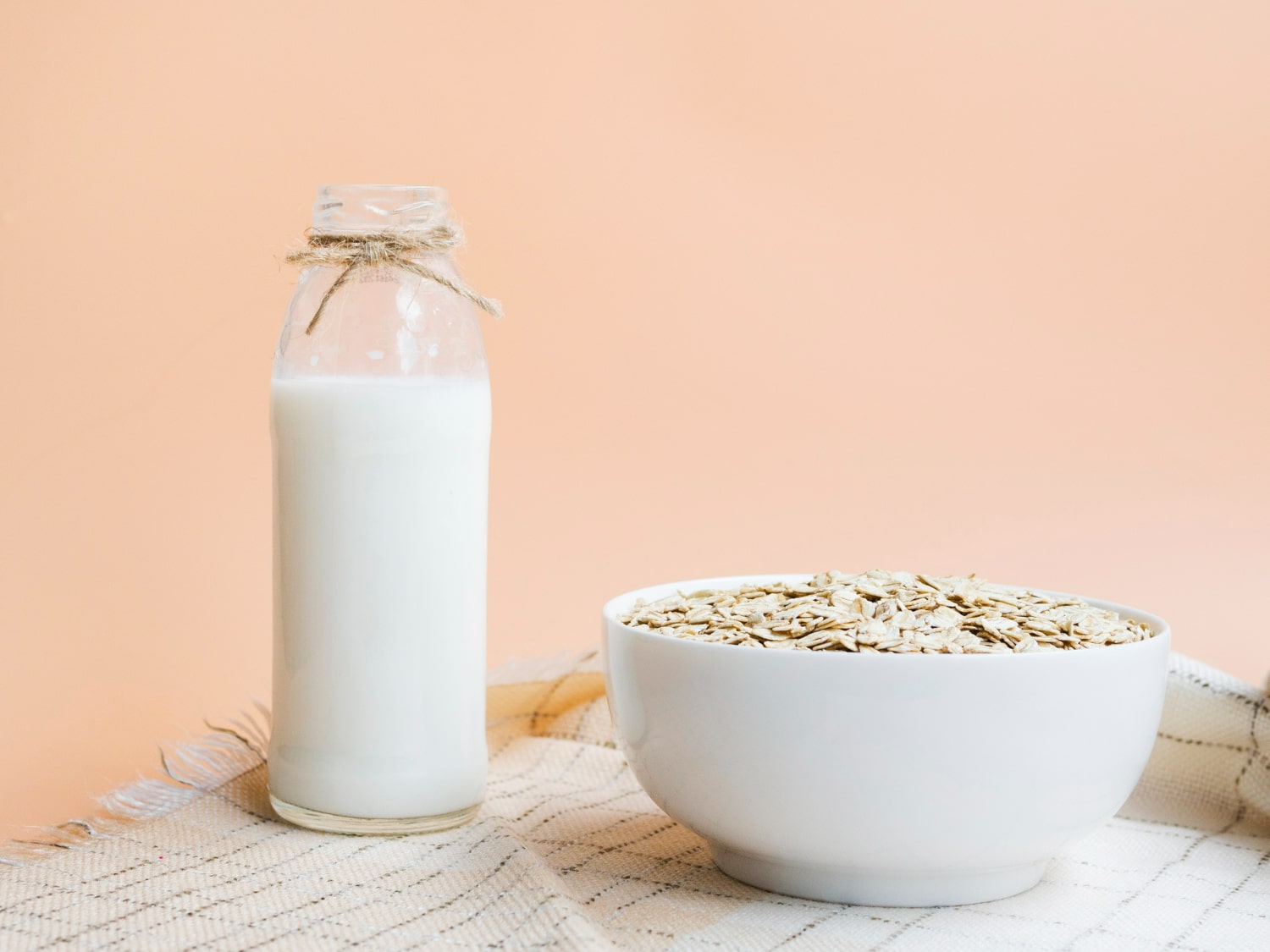
Camel milk has been considered as a potential alternative for people that have a milk allergy. Lactose intolerance is the inability to digest lactose, the sugar found in milk and dairy products, due to a deficiency of the enzyme lactase.
Camel milk naturally contains lower levels of lactose compared to cow’s milk, making it potentially more tolerable for individuals with a milk allergy. The reduced lactose content may allow some lactose-intolerant individuals to enjoy camel milk without experiencing the typical symptoms of lactose intolerance, such as bloating, gas, or diarrhea.
Camel Milk and its Importance in Heart Health
There are several aspects of camel milk that may suggest potential benefits for heart health. It naturally contains lower levels of saturated fat compared to cow’s milk.
High saturated fat intake is associated with an increased risk of heart disease. By choosing lower-fat dairy options like camel milk, it may contribute to a heart-healthy diet.
Camel milk contains omega-3 fatty acids, which have been associated with cardiovascular benefits. Omega-3 fatty acids may help reduce inflammation, lower triglyceride levels, and improve overall heart health.
Research also suggests that camel milk consumption may help regulate blood pressure levels. High blood pressure is a risk factor for heart disease, and any potential benefits in maintaining healthy blood pressure levels would be advantageous.
Conclusion
Camel milk, often regarded as a precious staple for those in desert regions. Offering a range of potential benefits for various aspects of health and well-being, research into the benefits of camel milk is still in its early stages but the growing interest in camel milk highlights its potential as a valuable addition to a balanced and diverse diet. If you’re looking for a place to get high quality camel milk and other top grocery products why not try our online store?



 Niyis Afro Caribbean Cuisines and Groceries
Leave a comment