
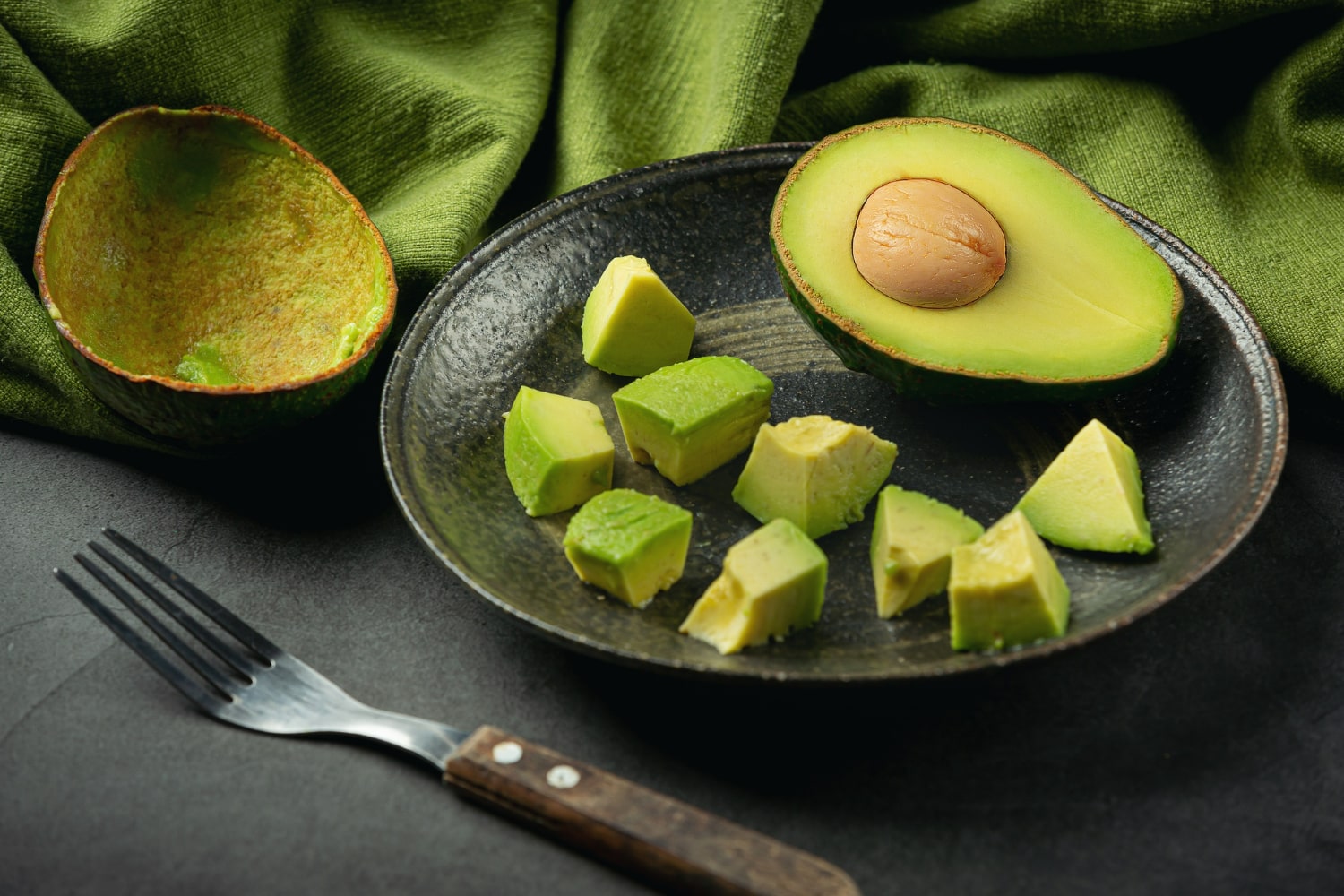
Avocados have skyrocketed in popularity in recent years, becoming a beloved fruit and a staple in many kitchens worldwide. With their creamy texture, versatile nature, and numerous health benefits, avocados have earned their rightful place as a superfood. Regardless of if you’re a long-time avocado enthusiast or just starting to explore this green gem, this article aims to provide you with everything you need to know about avocados.
What is an Avocado?
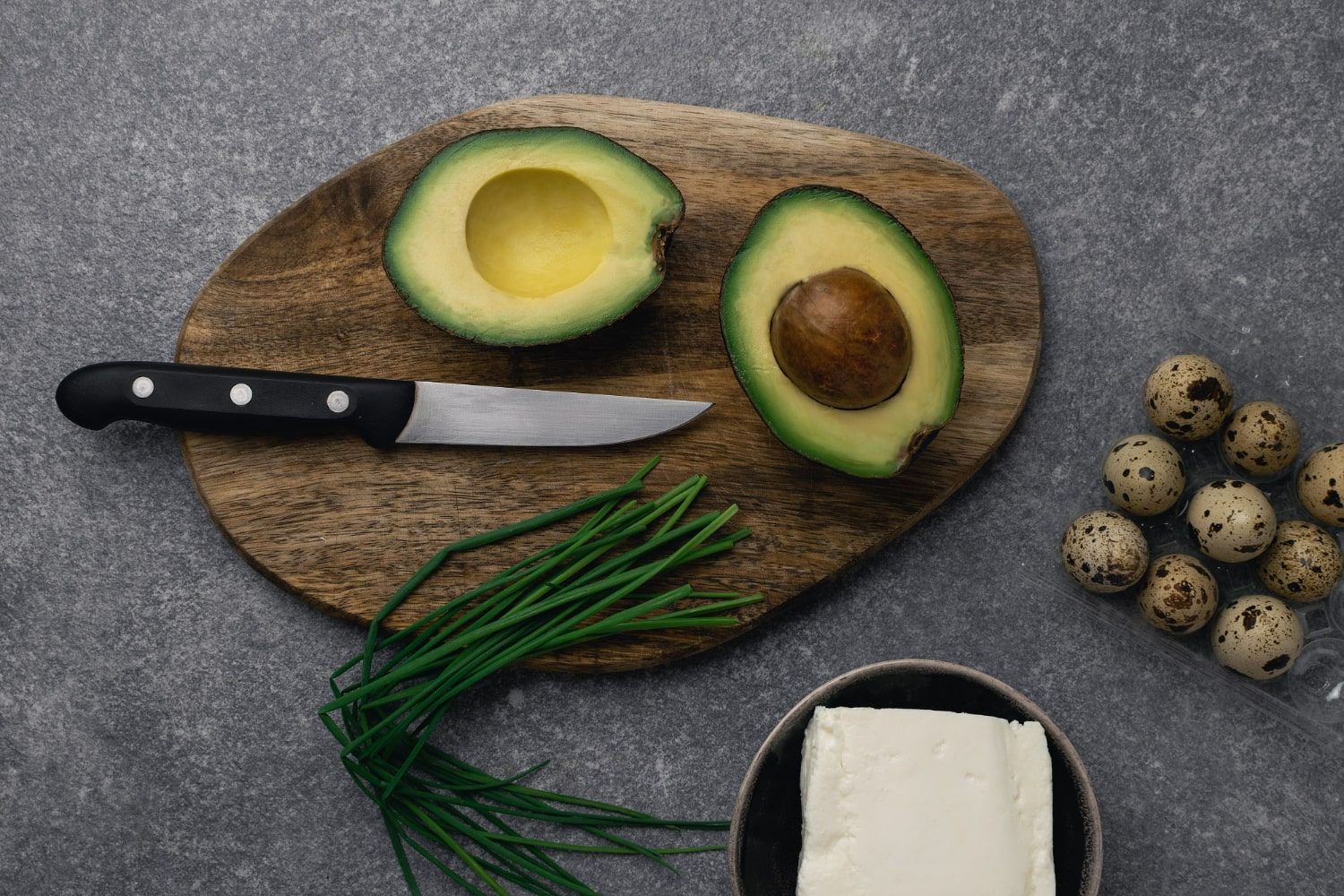
An avocado is a fruit that grows on the Persea americana tree, native to Central and South America. It is known for its unique pear-shaped appearance, creamy texture, and rich flavor.
Avocados have a thick, dark green or blackish skin that is typically rough and bumpy in texture. Inside, the fruit has a vibrant green or yellowish flesh, which surrounds a large central seed. The flesh of an avocado is soft, smooth, and buttery when ripe.
Unlike most fruits, avocados are relatively high in fat. However, the fat they contain is predominantly monounsaturated fat, which is considered to be heart-healthy. This healthy fat content gives avocados their rich and creamy consistency, making them a popular ingredient in dishes like guacamole, salads, sandwiches and smoothies.
History and Origins of Avocado
The origin and history of avocados can be traced back thousands of years to Central and South America. The exact origins of avocados are believed to be in the region that spans present-day Mexico, Guatemala, and parts of northern South America. The earliest evidence of avocado consumption dates back to around 10,000 BCE, making it one of the oldest cultivated fruits in the Americas.
Avocados were highly valued by the indigenous peoples of Mesoamerica, who recognized their nutritional benefits and incorporated them into their diets. The ancient Maya and Aztec civilizations, in particular, held the avocado in high regard and considered it a sacred fruit.
Avocados were not only consumed for their delicious taste but also used for medicinal and cosmetic purposes. They were believed to have healing properties and were used in traditional remedies to treat various ailments. Additionally, the oil extracted from avocados was utilized for skin and hair care.
The avocado’s popularity extended beyond its native lands over time. Spanish explorers encountered avocados during their voyages to the Americas in the 16th century. They were intrigued by the fruit’s taste and nutritional value, and avocados were introduced to Europe and other parts of the world through trade routes. From there, avocados gradually spread to different continents, becoming naturalized in various tropical and subtropical regions.
In the late 19th century, commercial cultivation of avocados began in California, United States, with the importation of avocado trees from Mexico. The state’s warm climate and suitable growing conditions allowed avocados to thrive, leading to the establishment of avocado orchards. California remains one of the major avocado-growing regions in the world today, alongside countries such as Mexico, the Dominican Republic, Colombia, Peru, and Brazil.
Avocados gained widespread popularity during the 20th century, particularly in the latter half, as global trade expanded, and the health benefits of avocados became more widely recognized. Today, avocados are enjoyed by people around the world and have become an integral part of various cuisines and culinary trends.
Nutritional Value of Avocado
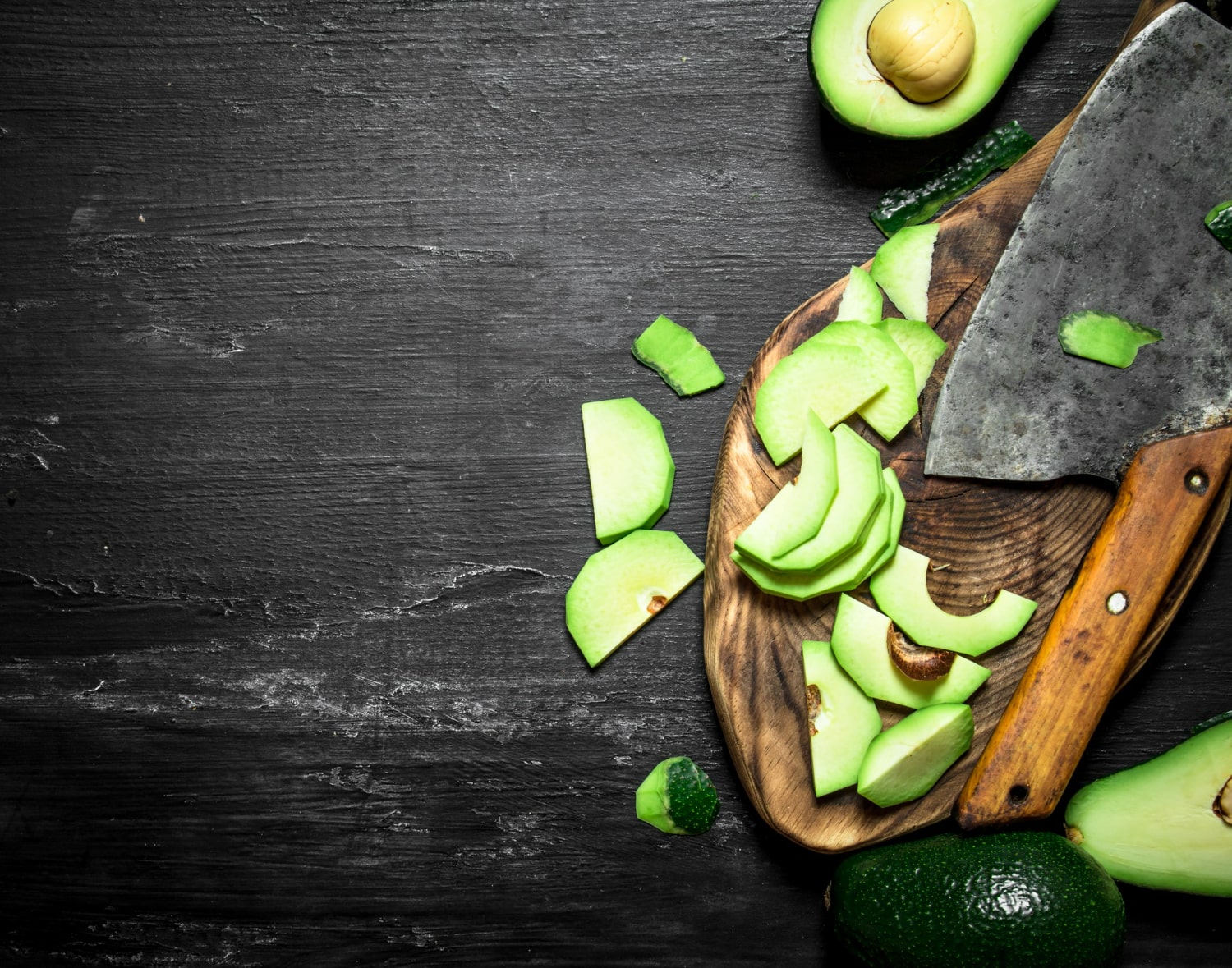
Avocados are not only delicious but also highly nutritious. They offer a variety of essential nutrients and contribute to a healthy diet. Here is an overview of the nutritional value of avocados:
This fruit is notable for it’s high content of monounsaturated fats, particularly oleic acid. These healthy fats can help lower bad cholesterol levels and reduce the risk of heart disease.
Avocados are an excellent source of dietary fiber, which is essential for maintaining a healthy digestive system and promoting regular bowel movements. A medium-sized avocado contains approximately 10 grams of fiber, contributing to a significant portion of the recommended daily intake.
Avocados are a great source of potassium, with even higher levels than bananas. Potassium is essential for regulating blood pressure, maintaining proper heart function, and supporting muscle health.
They contain vitamin K, which plays a crucial role in blood clotting and bone health.
Avocados provide vitamin E, a potent antioxidant that helps protect cells from damage caused by free radicals.
Although avocados are not as high in vitamin C as citrus fruits, they still contribute a moderate amount, which is important for immune function and collagen synthesis.
Avocados contain various B vitamins, including folate (vitamin B9), which is vital for healthy cell growth and development, especially during pregnancy.
They also contain a range of beneficial plant compounds, including carotenoids like lutein and zeaxanthin. These compounds have antioxidant properties and are associated with eye health, reducing the risk of age-related macular degeneration.
Avocados are low in sugar compared to many other fruits, making them suitable for individuals watching their sugar intake or managing conditions such as diabetes.
Health benefits of Avocadoes
Avocados offer a range of health benefits due to their nutrient-dense composition. Here are some of the key health benefits associated with consuming avocados:
- Heart Health: Avocados are rich in monounsaturated fats, particularly oleic acid, which is beneficial for heart health. These healthy fats can help lower levels of LDL (bad) cholesterol and triglycerides while increasing HDL (good) cholesterol, leading to improved lipid profiles. Maintaining healthy cholesterol levels is essential for reducing the risk of heart disease and stroke.
- Nutrient Density: Avocados are packed with essential vitamins, minerals, and antioxidants. They are a good source of potassium, which helps regulate blood pressure and maintain proper heart function. Avocados also provide vitamins K, E, C, B vitamins (including folate), and dietary fiber, contributing to overall nutrient intake and supporting various bodily functions.
- Weight Management: Although avocados are relatively high in calories, their healthy fat and fiber content contribute to increased satiety and reduced feelings of hunger. Including avocados in meals can help control appetite, promote a feeling of fullness, and potentially reduce overall calorie intake. Additionally, the monounsaturated fats in avocados are associated with a lower risk of obesity.
- Blood Sugar Control: Avocados have a low glycemic index, which means they have minimal impact on blood sugar levels. The combination of healthy fats, fiber, and a relatively low carbohydrate content in avocados helps stabilize blood sugar levels and prevent sharp spikes and crashes. This makes avocados suitable for individuals with diabetes or those aiming to manage blood sugar levels.
- Eye Health: Avocados contain lutein and zeaxanthin, two carotenoids that are beneficial for eye health. These compounds act as antioxidants and are concentrated in the retina, where they help protect against age-related macular degeneration and cataracts. Regular consumption of avocados may contribute to maintaining healthy vision as you age.
- Anti-Inflammatory Properties: Avocados contain various antioxidants, including vitamin E and carotenoids, which help reduce inflammation in the body. Chronic inflammation is associated with several health conditions, including cardiovascular disease, arthritis, and certain cancers. Including avocados as part of an overall anti-inflammatory diet may have protective effects against these conditions.
- Digestive Health: Avocados are an excellent source of dietary fiber, which plays a vital role in maintaining a healthy digestive system. Fiber promotes regular bowel movements, prevents constipation, and supports the growth of beneficial gut bacteria. Adequate fiber intake from avocados and other fiber-rich foods contributes to digestive health and may reduce the risk of gastrointestinal disorders.
Role of Avocado in a Balanced Diet
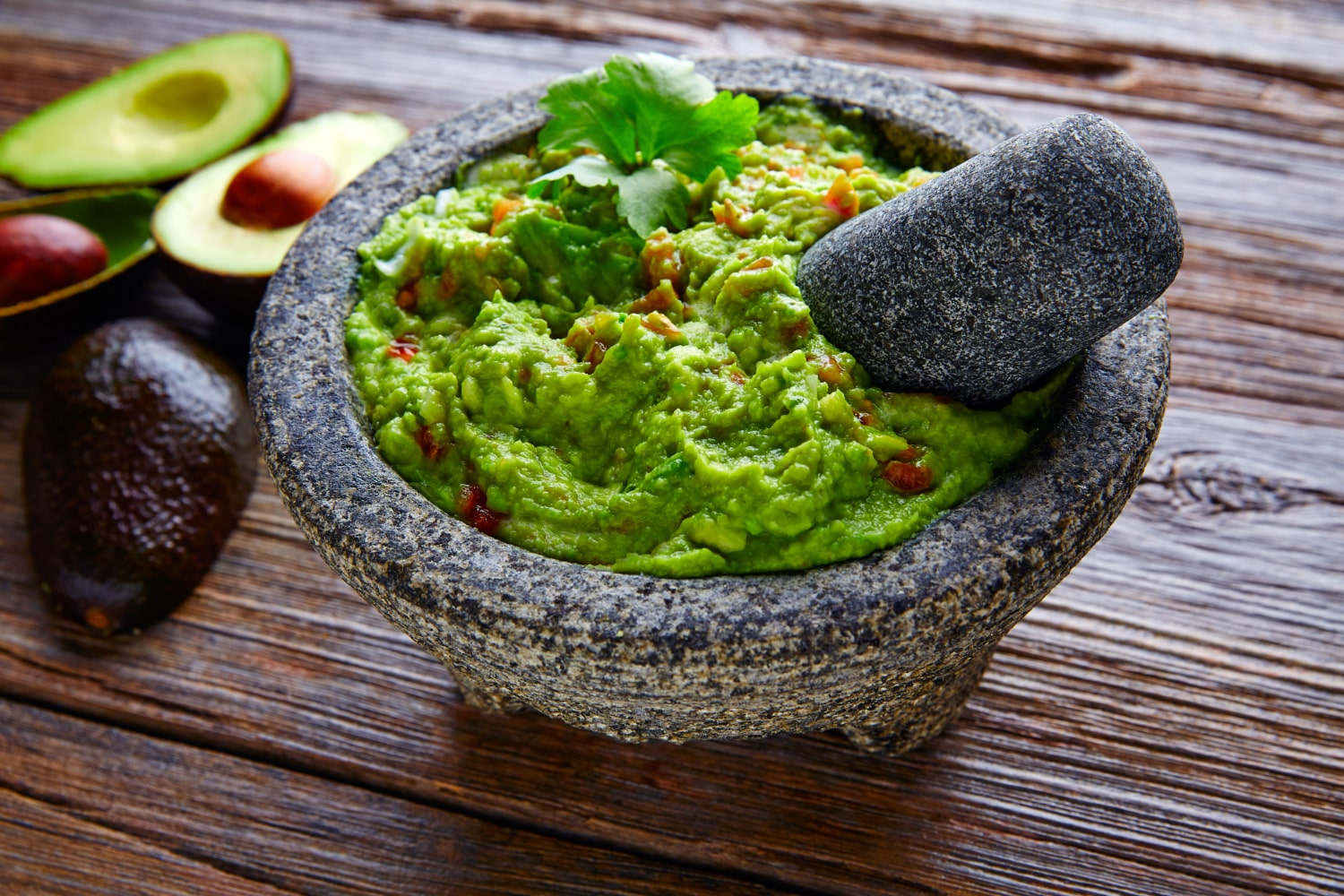
Avocados play a significant role in a balanced diet due to their nutrient composition and numerous health benefits. Here are several reasons why avocados are considered a valuable addition to a well-rounded eating plan:
Avocados are rich in monounsaturated fats, which are considered healthy fats. These fats can help improve cholesterol levels by increasing high-density lipoprotein (HDL) cholesterol while reducing low-density lipoprotein (LDL) cholesterol. Including avocados in a balanced diet can contribute to a healthier lipid profile and reduce the risk of heart disease.
Avocados are packed with essential vitamins, minerals, and phytonutrients. They provide a good source of potassium, vitamin K, vitamin E, vitamin C, B vitamins (including folate), and dietary fiber. These nutrients are vital for various bodily functions, such as maintaining proper heart function, supporting bone health, promoting healthy cell growth, and aiding digestion.
Avocados are an excellent source of dietary fiber. Fiber plays a crucial role in digestion and helps maintain bowel regularity. It also aids in weight management by promoting satiety, reducing overeating, and controlling blood sugar levels. Including avocados in a balanced diet can contribute to meeting daily fiber requirements and supporting overall digestive health.
Avocados contain healthy fats that play a role in enhancing the absorption of fat-soluble vitamins, such as vitamins A, D, E, and K. When combined with other nutrient-rich foods, avocados can help maximize the utilization of important fat-soluble nutrients in the body.
Despite their creamy texture, avocados have a relatively low carbohydrate content and contain beneficial monounsaturated fats. These factors contribute to stabilizing blood sugar levels and preventing sharp spikes and crashes. Avocados’ inclusion in a balanced diet can be particularly beneficial for individuals with diabetes or those aiming to manage blood sugar levels.
The healthy fats, fiber, and nutrient density of avocados make them a satisfying addition to meals. Including avocados in a balanced diet can contribute to feelings of fullness and satiety, potentially reducing the desire to overeat or snack on less nutritious options. This can support weight management and overall calorie control.
Stages of Ripeness of Avocado
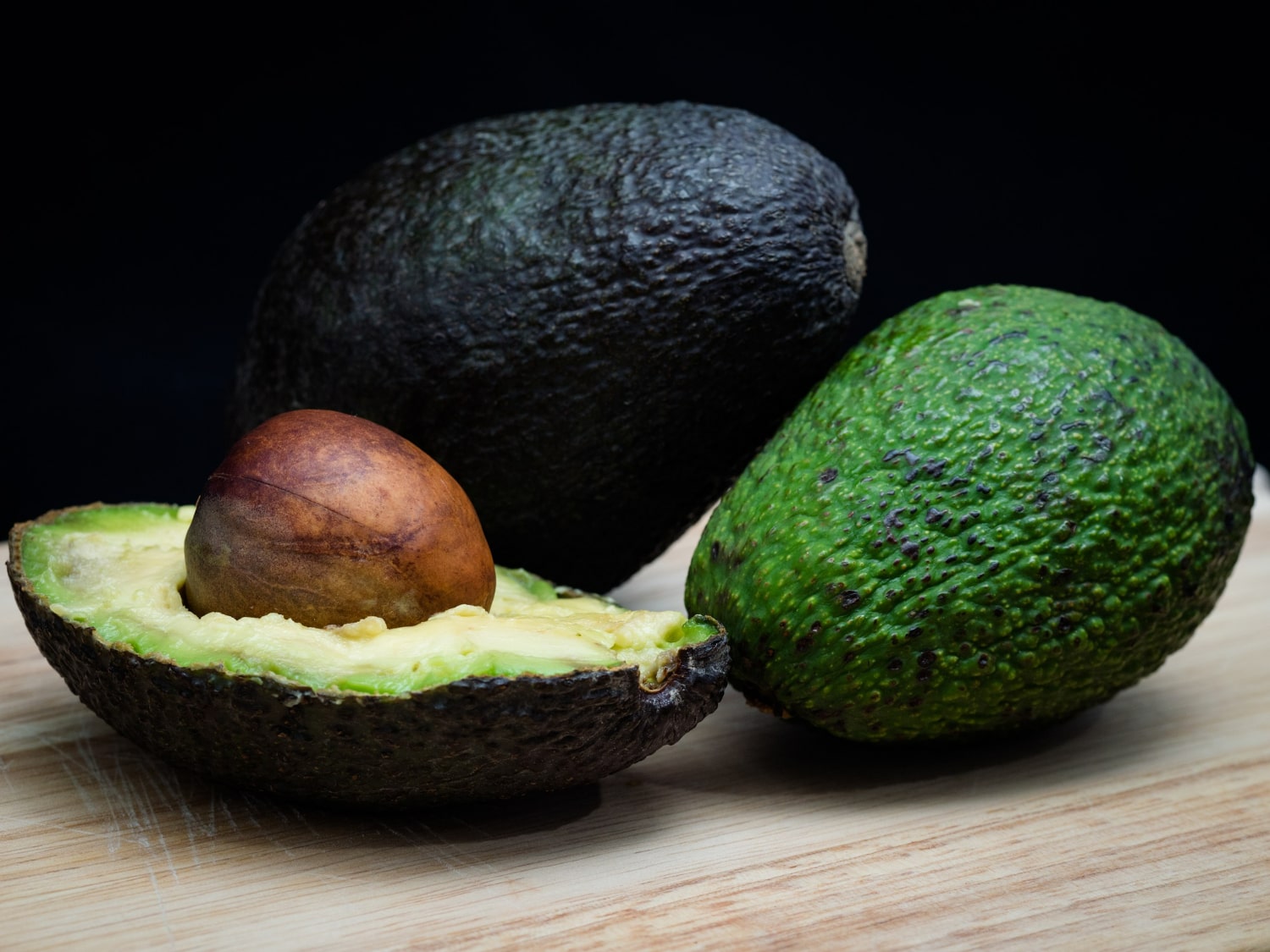
Avocados go through various stages of ripeness, and identifying the right level of ripeness is key to enjoying their optimal taste and texture. Here are the common stages of avocado ripeness and how to identify ripe avocados:
- Firm or Unripe: Unripe avocados are firm to the touch and may have a vibrant green skin. When you gently press the avocado, it feels hard and doesn’t give much. At this stage, the flesh is not yet fully developed, and the flavor and texture may be underwhelming if consumed.
- Breaking or Pre-ripe: Avocados in the breaking stage are transitioning towards ripeness. They begin to soften and yield slightly when gently pressed. The skin might start to show hints of darkening or changing color, depending on the avocado variety. While the texture may still be slightly firm, the flavor is milder compared to fully ripe avocados.
- Ripe: Ripe avocados are soft to the touch but not mushy. When you press gently near the stem end, it should yield slightly under your touch without being too squishy. The skin may darken further, and some avocado varieties develop a slight give at the stem end when fully ripe. A ripe avocado should have a creamy, buttery texture and a rich flavor. It is perfect for immediate consumption or use in recipes.
- Overripe: Overripe avocados are excessively soft, squishy, or mushy when pressed. The skin might appear dark, and there may be noticeable brown spots or discoloration inside. While an overripe avocado may still be edible, its texture and flavor may be compromised. It is best to avoid using overripe avocados in dishes where texture is important, but they can still be used for making sauces, dips, or baked goods.
How to Identify Ripe Avocado
- Gently squeeze the avocado: Hold the avocado in your palm and apply gentle pressure near the stem end. Ripe avocados will yield slightly to the touch without being too soft or mushy.
- Check the color: Depending on the variety, ripe avocados may have a darker or purplish hue. However, color alone is not always a reliable indicator of ripeness, so it’s best to combine it with the texture test.
- Remove the stem: If the stem at the top of the avocado comes off easily and reveals green flesh underneath, it indicates that the avocado is ripe. If it is brown or difficult to remove, the avocado may be overripe or starting to spoil.
- Consider the weight: Ripe avocados tend to feel heavier compared to unripe ones of the same size. This weight is often due to the increase in moisture content as the fruit ripens.
Remember that avocados can change quickly from an unripe to an overripe state, so it’s essential to regularly check their ripeness as they approach the desired level. If you need to delay the ripening process, you can store unripe avocados at room temperature until they reach the desired level of ripeness, after which you can refrigerate them to slow down further ripening.
Best Method to Store Avocadoes
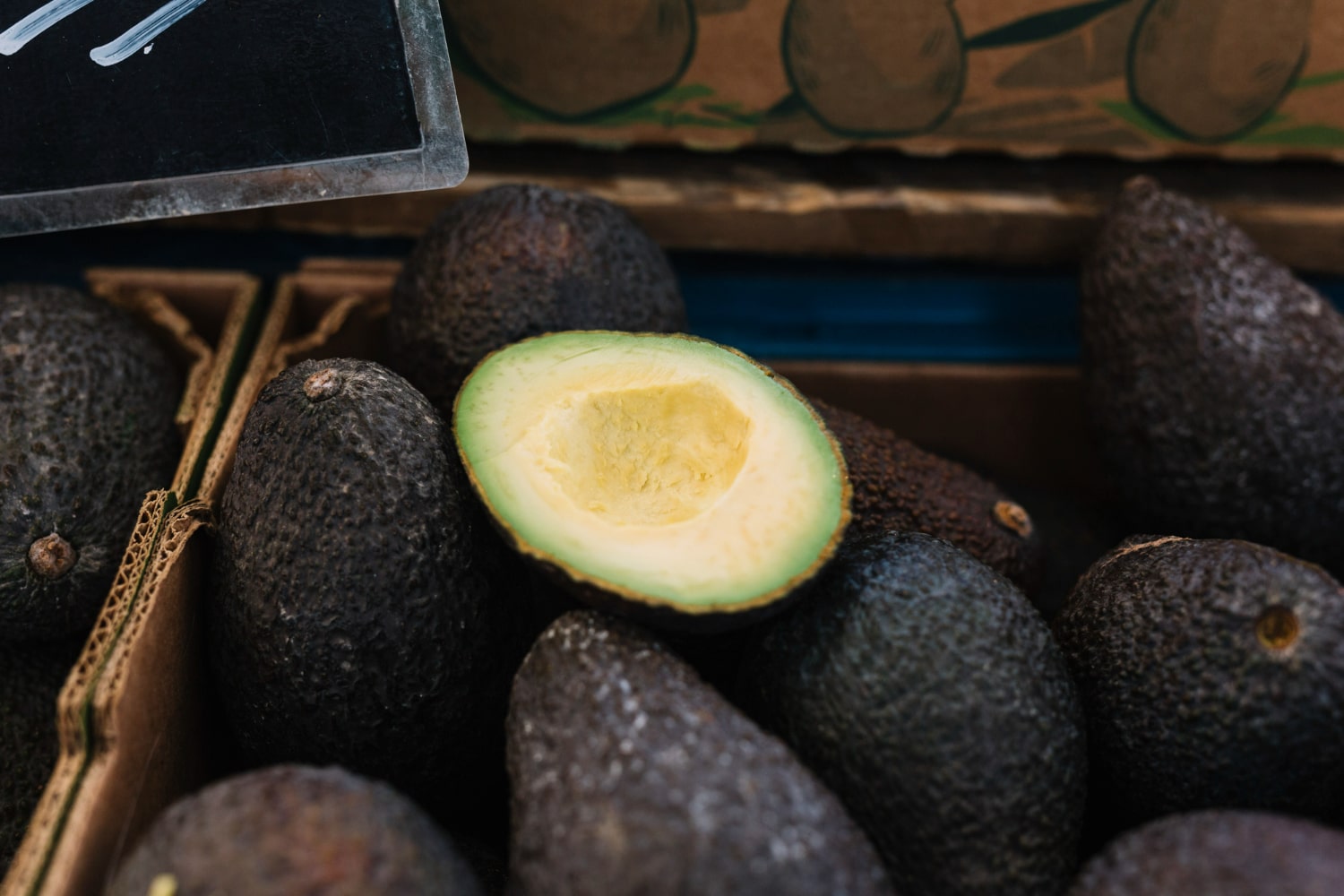
Proper storage is essential to maintain the quality and freshness of avocados. Here are some best methods for storing avocados of different levels of ripeness:
- Ripe Avocados:
- Refrigeration: If you have ripe avocados that you’re not ready to eat yet, storing them in the refrigerator can slow down the ripening process. Place the ripe avocados in a plastic bag or airtight container and store them in the refrigerator’s main compartment.
- Use promptly: Ripe avocados have a limited shelf life, so it’s best to use them within a day or two to enjoy them at their best.
- Unripe Avocados:
- Room temperature: To ripen unripe avocados, leave them at room temperature. Placing them in a paper bag can help speed up the ripening process by trapping the natural ethylene gas they produce. Add a ripe banana or apple to the bag to further accelerate ripening.
- Check regularly: Check the avocados daily to assess their ripeness. Once they yield slightly to gentle pressure, transfer them to the refrigerator to slow down further ripening.
- Cut Avocados:
- Lemon or lime juice: If you’ve cut an avocado but don’t plan to use the whole fruit, drizzle the exposed flesh with lemon or lime juice to help prevent browning. The citric acid acts as an antioxidant and slows down oxidation.
- Plastic wrap: Wrap the cut avocado tightly with plastic wrap, ensuring that it makes direct contact with the exposed surface. This helps to minimize contact with air, which can cause browning.
- Refrigeration: Store the wrapped cut avocado in the refrigerator, and try to use it within a day or two for the best quality.
Remember that once an avocado is sliced and exposed to air, it will eventually start to brown. However, these methods can help slow down the browning process and extend the freshness of cut avocados.
Creative Recipes you can Try with Avocadoes

Avocado can be a valuable ingredient in many dishes, here are some popular and creative avocado recipes you can use to incorporate this fruit into your meals :
- Classic Guacamole: A staple in Mexican cuisine, guacamole is a delicious and versatile dip. Mash ripe avocados with lime juice, diced tomatoes, onions, cilantro, garlic, and seasonings like salt and cumin. Customize it with additional ingredients like jalapeños or mango for a twist.
- Avocado Toast: Spread mashed avocado on toasted bread and top it with various toppings like sliced tomatoes, red onions, feta cheese, poached eggs, smoked salmon, or microgreens. Get creative with combinations to suit your taste preferences.
- Avocado and Mango Salsa: Combine diced avocado and ripe mango with red onions, lime juice, jalapeños, and cilantro to create a sweet and tangy salsa. Serve it as a refreshing side dish, or pair it with grilled chicken or fish.
- Avocado Caprese Salad: Add a twist to the classic Caprese salad by incorporating avocado slices. Layer ripe tomatoes, fresh mozzarella cheese, avocado slices, and basil leaves. Drizzle with balsamic glaze or olive oil, and season with salt and pepper.
- Avocado Chocolate Mousse: For a healthier dessert option, blend ripe avocados, cocoa powder, sweetener (like maple syrup or honey), and a splash of milk until smooth and creamy. Chill it in the refrigerator, and enjoy a rich and creamy chocolate mousse.
- Avocado and Chicken Salad Wraps: Mix cooked and shredded chicken with diced avocado, celery, red onions, and mayonnaise or Greek yogurt. Season it with salt, pepper, and herbs like dill or parsley. Wrap the mixture in lettuce leaves or tortillas for a satisfying and low-carb lunch option.
- Avocado and Shrimp Ceviche: Combine cooked and chilled shrimp with diced avocado, red onions, tomatoes, jalapeños, lime juice, and cilantro. Let the flavors marinate for a while to allow the citrus to “cook” the shrimp. Serve it as a refreshing appetizer or light meal.
- Avocado and Black Bean Quesadillas: Spread mashed avocado on tortillas, then layer it with black beans, shredded cheese, diced bell peppers, and onions. Fold the tortillas in half and cook them on a griddle or stovetop until crispy and the cheese melts. Serve with salsa or sour cream.
- Avocado Green Smoothie: Blend ripe avocado with spinach or kale, a banana, a splash of milk or almond milk, and a sweetener like honey or dates. This smoothie provides a creamy texture and is packed with nutrients and healthy fats.
- Avocado Egg Salad: Mash hard-boiled eggs and mix them with diced avocado, Greek yogurt or mayonnaise, mustard, chopped dill or chives, and a squeeze of lemon juice. Enjoy it as a sandwich filling or a topping for crackers or lettuce wraps.
Common Misconceptions about Avocadoes

Avocados often receive attention for their relatively high fat content, which has led to some misconceptions about their role in a healthy diet. Let’s address these common misconceptions and debunk them:
- Avocados are high in fat, so they should be avoided for weight management: While avocados do contain fat, it’s important to note that they primarily consist of monounsaturated fats, which are considered heart-healthy fats. These fats are beneficial for managing weight because they contribute to making you full, making you feel satisfied. Including moderate portions of avocados in a well-balanced diet can actually support weight management by reducing the likelihood of overeating.
- The fat in avocados leads to weight gain: It is a commonly believed that consuming foods high in fat automatically leads to weight gain. However, the quality of fat is more important than the quantity. The fats found in avocados have been associated with weight loss, improved body composition, and reduced abdominal fat. The overall calorie balance and the combination of macronutrients in one’s diet are more influential factors in weight management than solely focusing on fat content.
- Avocados should be avoided by individuals with high cholesterol: Avocados contain fats that have been shown to have positive effects on cholesterol levels. They can help increase levels of good cholesterol and decrease levels of LDL (bad) cholesterol and triglycerides. Including avocados in a heart-healthy diet can contribute to improving lipid profiles and reducing the risk of heart disease.
- Avocados are unhealthy due to their calorie density: While avocados are relatively calorie-dense compared to some other fruits and vegetables, their nutrient density makes them a valuable addition to a healthy diet. They provide an array of essential vitamins, minerals, antioxidants, and dietary fiber. The combination of healthy fats, fiber, and nutrients in avocados supports overall health and can be part of a balanced and varied eating plan.
Conclusion
Avocados truly deserve their reputation as a remarkable fruit. From their rich history to their undeniable health benefits, avocados have captured the hearts and taste buds of people around the world. Remember that moderation is key. While avocados offer numerous health benefits, it is important to consider portion sizes and incorporate them into a well-balanced eating plan alongside other nutrient-rich foods. If you’re looking for a place to get quality Avocadoes and other groceries why not try our online store?



 Niyis Afro Caribbean Cuisines and Groceries
Leave a comment