
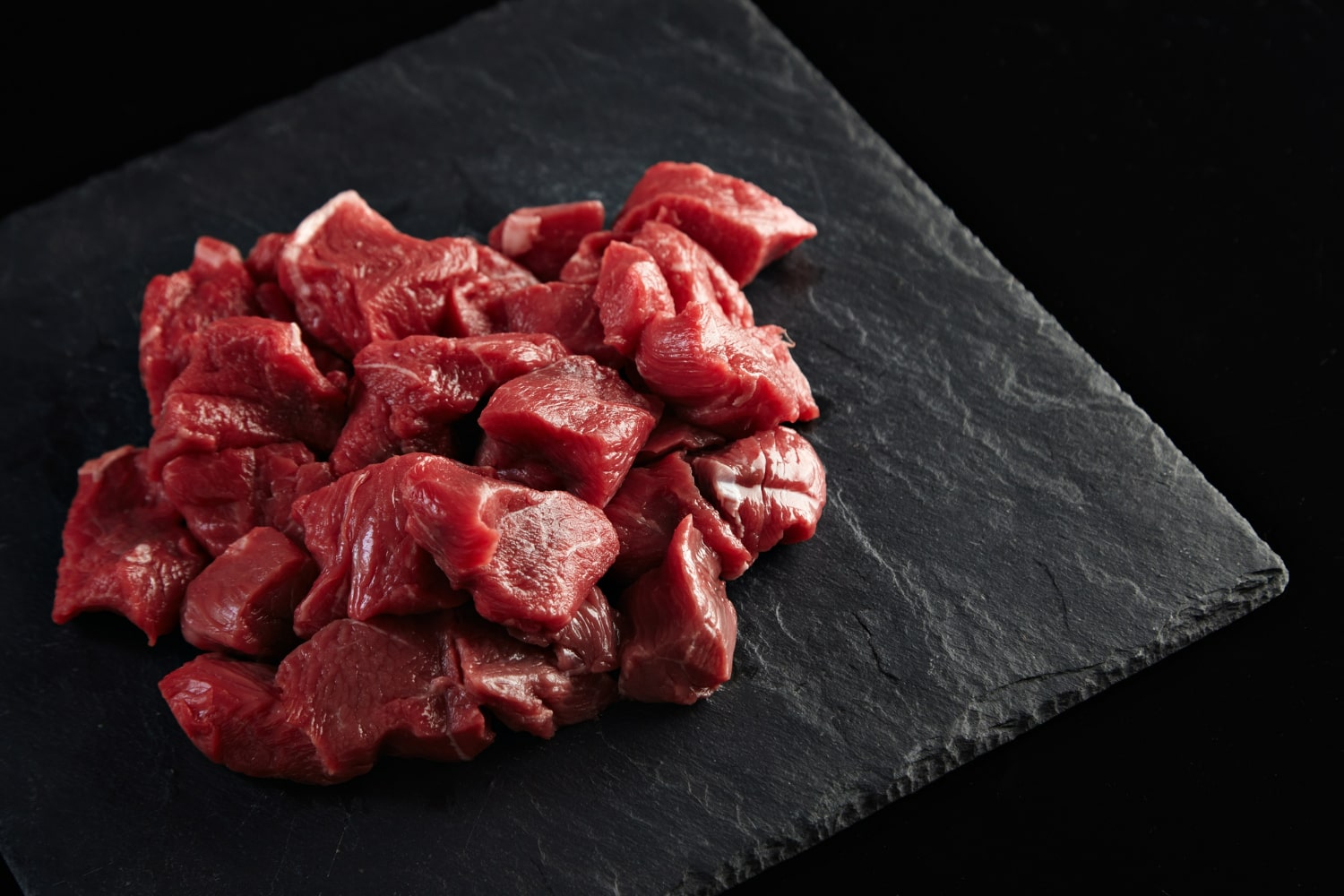
Long revered in cultures around the world, goat meat has earned its place as a staple in various cuisines, from the Mediterranean hills to the bustling streets of Asia and beyond.
Beyond its gastronomic appeal, goat meat carries a fascinating cultural and historical significance that is often overlooked.
As our palates continue to evolve and global cuisine becomes more accessible, understanding everything there is to know about goat meat is essential for both epicurean adventurers and those seeking a deeper connection to the tapestry of food heritage.
What is Goat Meat?

Goat meat, commonly referred to as “chevon” or “caprine meat,” is the flesh obtained from domesticated goats (Capra aegagrus hircus) – small, ruminant mammals closely related to sheep. As an important protein source in various cultures for centuries, goat meat boasts a distinct flavor, lean composition, and versatility that make it a prized ingredient in a wide range of dishes.
Goat meat is appreciated for its unique taste, which can be described as slightly gamy with a hint of earthiness. Its flavor profile is influenced by factors such as the goat’s diet, age, and breed. Younger goats, known as “kid” or “cabrito,” tend to have more tender and milder meat, while older goats may have a stronger flavor.
What does Goat Meat Taste like?
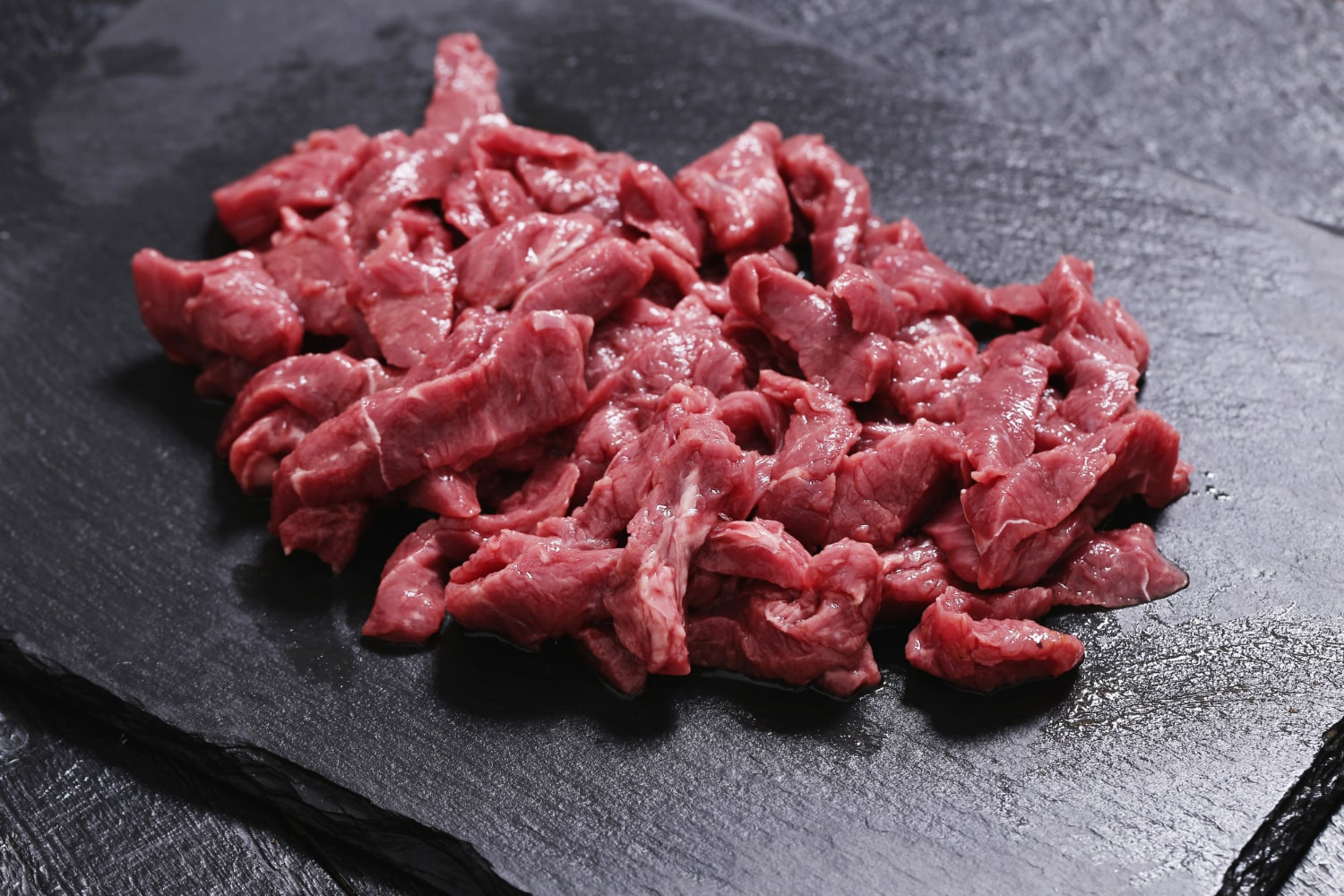
The taste of goat meat is a distinctive and intriguing blend of flavors that sets it apart from more commonly consumed meats like beef, pork, or chicken. Its flavor can be influenced by various factors, including the goat’s age, diet, and how it’s prepared.
Generally, goat meat has a slightly gamy and earthy flavor, which can be attributed to the animal’s diet and the presence of compounds like terpenes and fatty acids. The gaminess is often described as a mild, pleasant tanginess that adds depth to dishes. This characteristic is more pronounced in older goats, while younger goats (kids) tend to have a milder, less intense flavor.
What is Goat Meat Called?
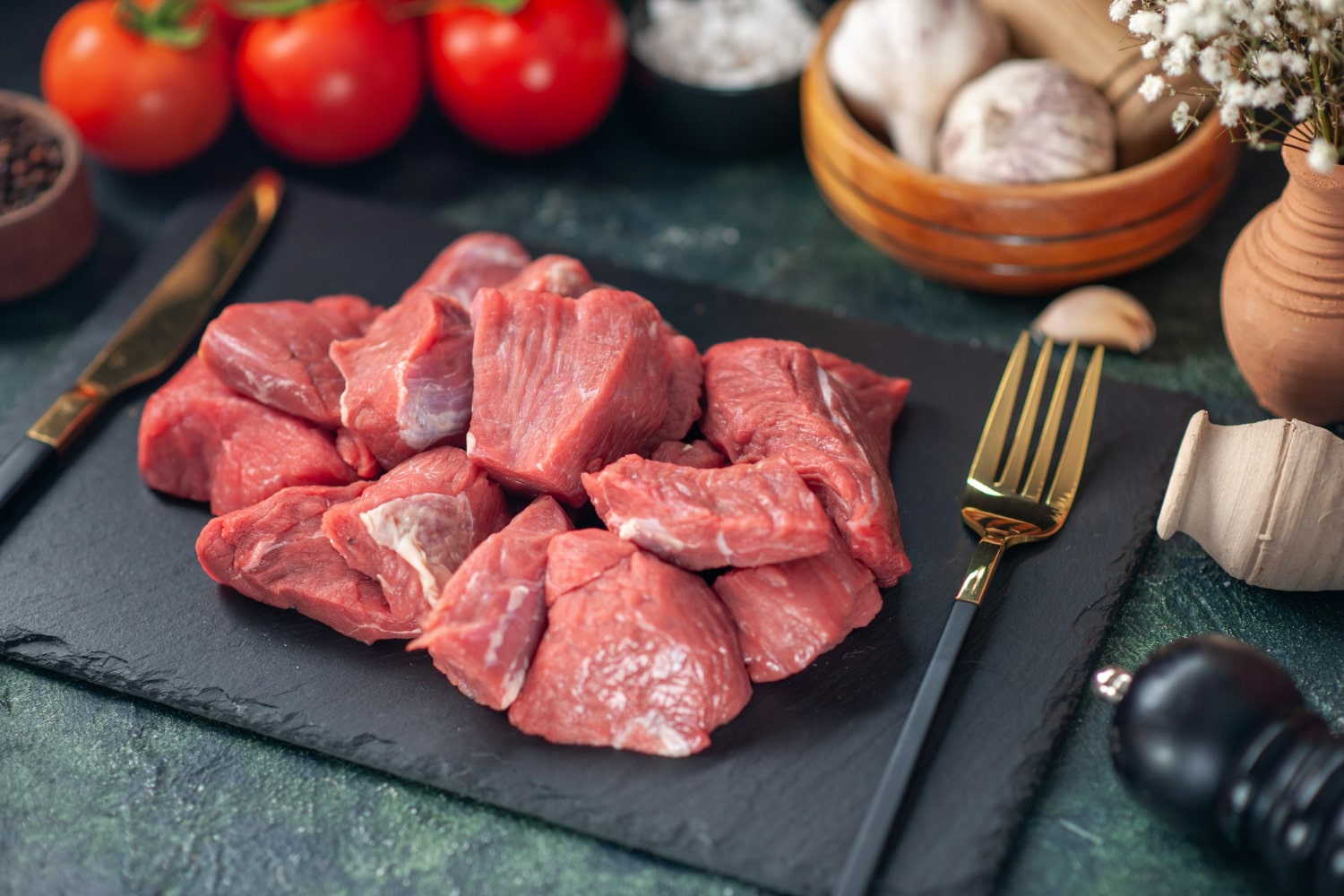
Goat meat is known by various names depending on the region and cultural context. Some common names for goat meat include:
- Goat Meat: This is the most straightforward and universally recognized term for the meat obtained from goats.
- Chevon: Chevon is a term derived from the French word “chèvre,” meaning goat. It is often used in culinary contexts to refer to goat meat.
- Caprine Meat: “Caprine” refers to animals of the goat family, and “caprine meat” is a more scientific or formal term for goat meat.
- Mutton (in some regions): In certain countries, such as India and some parts of the Middle East, the term “mutton” is used to refer to both sheep and goat meat. However, it’s important to note that “mutton” typically refers to sheep meat in most English-speaking countries.
- Cabrito: This term is used to describe the meat of young, milk-fed goats. It is particularly common in Latin American cuisines.
Nutritional Value of Goat Meat
Goat meat, offers a range of essential nutrients that contribute to a well-rounded and nutritious diet. Here is an overview of the nutritional value of goat meat per 3.5-ounce (100-gram) serving cooked with dry heat (roasted or grilled):
- Calories: 143 kcal
- Protein: 27.3 grams
- Fat: 3.0 grams
- Cholesterol: 75mg
- Iron: 3.2mg
- Zinc: 4.1mg
- Phosphorus: 198mg
- Selenium: 27.7mg
- Vitamin B12: 1.8mg
- Niacin (Vitamin B3): 5.3mg
- Riboflavin (Vitamin B2): 0.2mg
Health Benefits of Goat Meat
Goat meat, also offers a range of health benefits due to its nutrient-rich composition. While moderation is key, incorporating goat meat into a balanced diet can contribute positively to overall well-being. Here are some of the health benefits associated with consuming goat meat:
High-Quality Protein Source
Goat meat is a excellent source of complete protein, providing all essential amino acids required for building and repairing tissues, supporting immune function, and maintaining muscle mass.
Rich in Vitamins and Minerals
Goat meat is a good source of essential nutrients, including iron, zinc, selenium, phosphorus, and B vitamins such as B12, riboflavin (B2), and niacin (B3), which are crucial for energy metabolism, immune health, and overall vitality.
Low in Saturated Fat
Goat meat is generally lower in saturated fat compared to some other meats, making it a healthier protein option for individuals looking to reduce saturated fat intake and support heart health.
Heme Iron Absorption
The heme iron found in goat meat is more readily absorbed by the body compared to non-heme iron found in plant-based foods. Adequate iron intake is essential for preventing iron-deficiency anemia and maintaining healthy blood cells.
Zinc for Immune Support
Goat meat is rich in zinc, an essential mineral that plays a vital role in immune function, wound healing, and maintaining healthy skin.
Selenium Antioxidant Benefits
Selenium, present in goat meat, acts as an antioxidant, helping protect cells from oxidative stress and supporting overall immune system function.
Vitamin B12 for Nervous System: Goat meat is a reliable source of vitamin B12, which is essential for nerve function, cognitive health, and the production of red blood cells.
Phosphorus for Bone Health
Goat meat provides phosphorus, a mineral important for bone health, helping to maintain bone strength and structure.
Lean Protein Option
Goat meat is relatively lean and contains a favorable protein-to-fat ratio, making it a suitable choice for individuals aiming to manage weight and support healthy muscle development.
How to Cook Goat Meat
Cooking goat meat can be a delightful culinary adventure, and the method you choose will depend on the cut of meat, your personal taste preferences, and the dish you’re preparing. Here are some popular cooking methods for goat meat:
Roasting
Roasting is a great way to cook larger cuts of goat meat, such as the leg or shoulder. Season the meat with your choice of herbs, spices, and marinades. Place it on a roasting rack in a preheated oven and cook at a moderate temperature until the meat is cooked through and tender. Basting with juices or broth during cooking can help keep the meat moist.
Grilling
Goat meat can be delicious when grilled. Marinate the meat beforehand to enhance flavor and tenderness. Grill over medium-high heat, turning occasionally, until the meat is cooked to your desired level of doneness. Grilling works well for chops, kabobs, and smaller cuts.
Stewing
Stewing is ideal for tougher cuts of goat meat. Cut the meat into smaller pieces and simmer it in a flavorful liquid (such as broth, wine, or tomato sauce) along with vegetables and seasonings. Cooking over low heat for an extended period of time will help tenderize the meat and allow the flavors to meld.
Currying
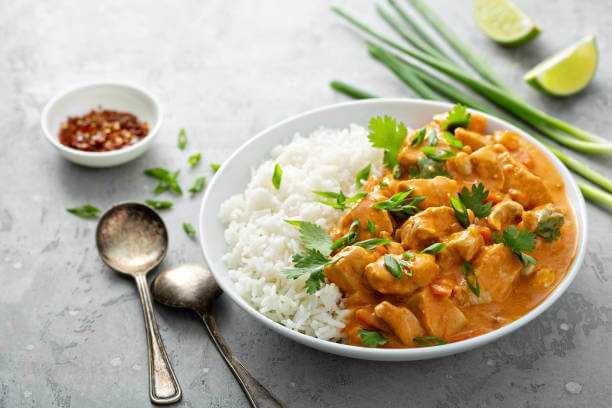
Goat meat is frequently used in curries across various cuisines. Cut the meat into bite-sized pieces and cook it with aromatic spices, herbs, and a flavorful sauce. Simmer until the meat is tender and the flavors have melded together. Serve with rice or bread for a hearty meal.
Braising
Braising involves searing the meat to develop a crust, then cooking it slowly in liquid. This method works well for cuts like shanks and shoulder. After searing, place the meat in a pot or Dutch oven, add broth or wine, and cook over low heat until tender.
Pressure Cooking
Pressure cooking is a time-efficient method for tenderizing goat meat. It’s especially useful for tougher cuts. Season the meat, add liquid, and cook in a pressure cooker until the meat is tender and easily pulls apart.
Frying
For smaller cuts or ground goat meat, frying can provide a crispy exterior. Coat the meat with a seasoned flour or breadcrumb mixture and pan-fry until golden brown and cooked through.
Frequently Asked Questions (FAQ)
What Meat is Goat?
Goat meat is also known as “mutton,” but this can be confusing since “mutton” traditionally refers to meat from adult sheep.
How long does Goat Meat take to Cook?
The cooking time for goat meat can vary widely depending on factors such as the cut of meat, the cooking method, the size of the pieces, and the recipe you are using.
Generally, goat meat is leaner and tougher than some other meats, so it often benefits from longer cooking times to become tender and flavorful. Here are some approximate cooking times for different cooking methods:
Stewing or Braising: This is a common method for cooking tougher cuts of goat meat. It involves cooking the meat slowly in liquid over low heat. Depending on the size of the meat pieces and the desired tenderness, stewing or braising can take anywhere from 1.5 to 3 hours or more.
Roasting: Roasting larger cuts of goat meat, such as a leg or shoulder, can take around 2.5 to 4 hours at a moderate oven temperature (325-350°F or 160-175°C). The exact time will depend on the size of the cut and your desired level of doneness.
Grilling or BBQ: Goat meat can be grilled or barbecued, especially if using smaller cuts or skewers. Cooking times for grilling can vary but may range from 15 to 30 minutes, depending on the thickness of the meat and the temperature of the grill.
Curries or Stir-Fries: If you’re cooking goat meat in a curry or stir-fry, the cooking time can be shorter, around 30 minutes to 1 hour, depending on the recipe and the size of the meat pieces.
Is Goat Meat Healthy?
Goat meat can be a healthy and nutritious option when included as part of a balanced diet. However, like any food, the healthiness of goat meat can depend on how it’s prepared and consumed.
It’s important to note that while goat meat can offer several health benefits, it’s advisable to consume it as part of an overall balanced diet that includes a variety of foods.
Where to Buy Goat Meat Near Me?
You can get goat meat at your local grocery store but if you’re in the UK and looking for high-quality goat meat, why not try our African Grocery Store that sells quality grocery items.
Conclusion
Nutritionally, goat meat’s protein-packed composition, combined with essential vitamins and minerals, underscores its significance as a well-rounded dietary choice. Its potential to contribute to heart health, support muscle growth, and provide a range of vital nutrients further solidifies its role on the plates of health-conscious individuals.
However, like any culinary treasure, goat meat’s true potential is unlocked through thoughtful preparation and an understanding of its nuances. Its lean nature demands careful consideration during cooking, and the selection of appropriate cuts and techniques can be the difference between a tender masterpiece and an underwhelming experience.
 Niyis Afro Caribbean Cuisines and Groceries
Leave a comment