
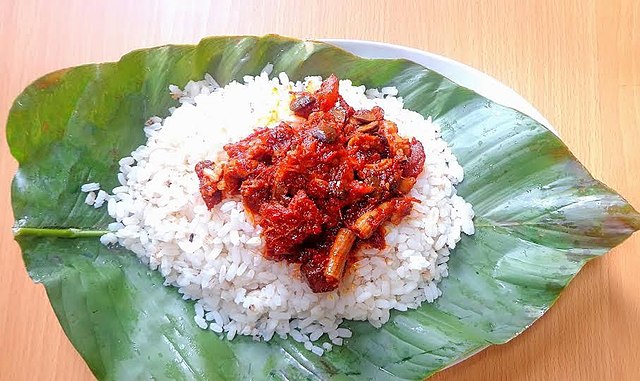
Ofada Rice, also known as “Ofada” or “Abakiliki” rice, is a beloved staple of Nigerian cuisine, revered for its distinctive aroma and flavor. As we embark on a flavorful journey into the world of Ofada Rice, we’ll explore its origins, its intricate preparation, and health benefits that have made it an integral part of Nigerian dining.
What is Ofada Rice?
Ofada Rice, also known as “Ofada” or “Abakiliki” rice, is a special and indigenous variety of rice that is primarily cultivated and consumed in Nigeria. This unique grain is renowned for its distinct aroma, robust flavor, and slightly coarse texture, setting it apart from more common rice varieties found around the world.
What Does Ofada Rice Look Like?
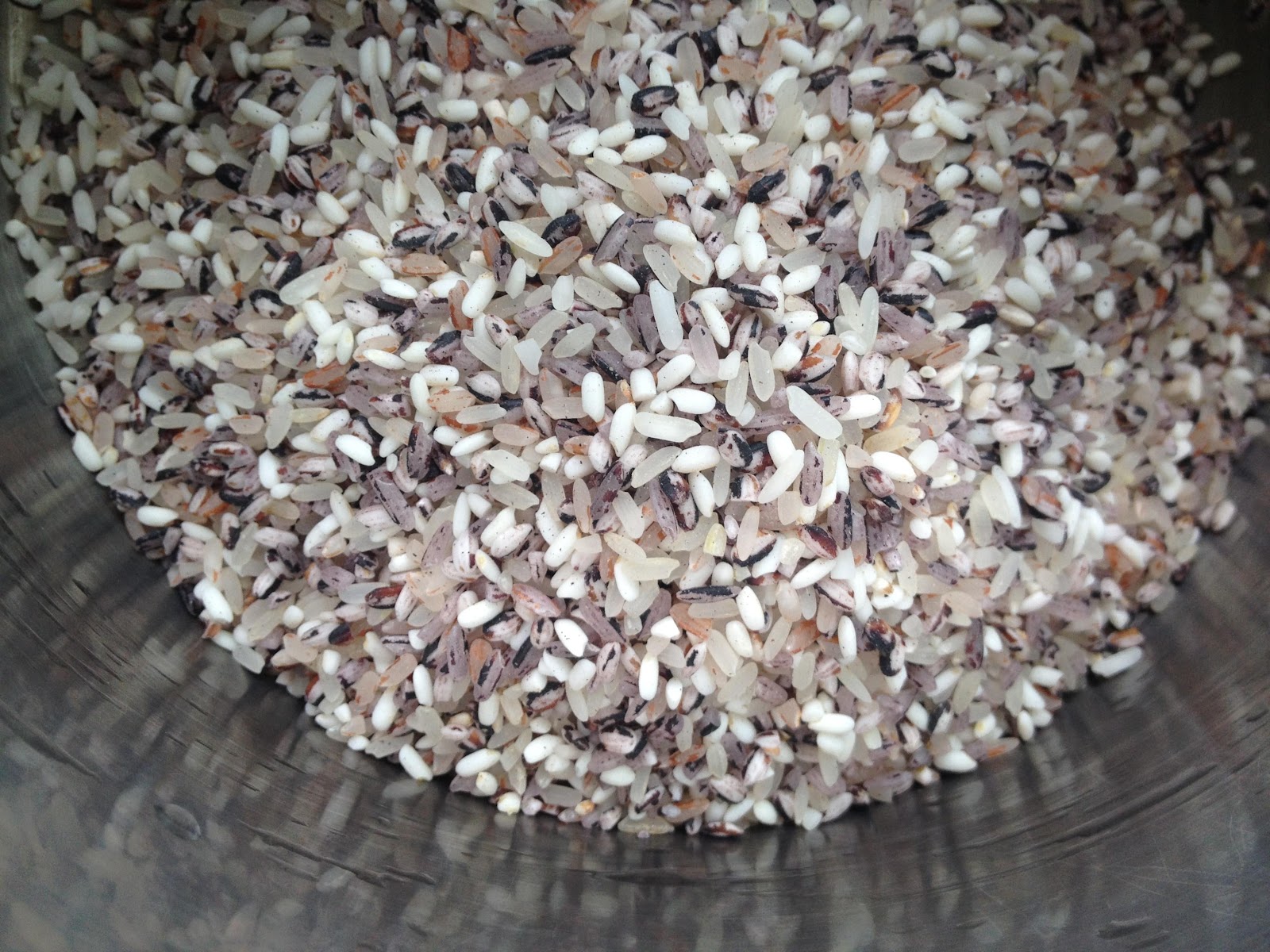
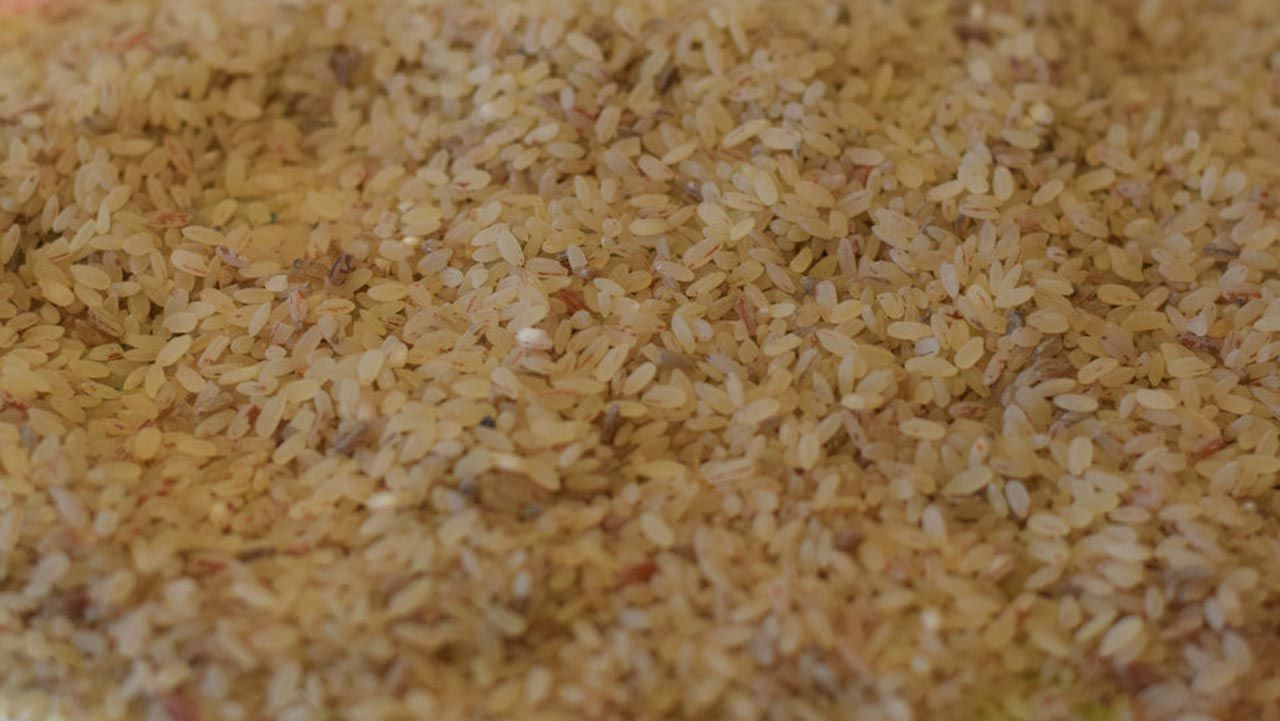
Ofada Rice grains are relatively short, plump, and oval-shaped, in contrast to the long and slender grains of many other rice types. They are often more stubby in appearance. Ofada Rice grains typically have a brownish or off-white color. This is because the outer bran layer of the rice grain is not polished or removed during processing, giving it a slightly brownish or beige hue.
What Does Ofada Rice Taste Like?
Ofada Rice is known for its pronounced nutty flavor. When cooked, it emits an enticing, earthy aroma that hints at the rich, nutty taste it delivers.
Unlike the soft and fluffy texture of polished white rice, Ofada Rice has a slightly chewy texture due to the presence of the bran layer. This texture provides a satisfying mouthfeel and a unique eating experience.
What is Ofada Rice called in English?
Ofada rice, also known as “Unpolished rice” in English, it is a type of locally grown and unpolished rice that is popular in Nigeria. It is sometimes referred to as “brown rice” in English, although it is not the same as the typical brown rice found in many Western countries.
Nutritional Value of Ofada Rice
Ofada Rice is valued not only for its unique flavor and texture but also for its nutritional benefits. Here’s an overvie of the nutritional value of Ofada Rice per 100 grams of cooked rice:
Calories: Ofada Rice is a good source of energy. It typically provides approximately 130-150 calories per 100 grams, depending on how it’s cooked and any added ingredients.
Carbohydrates: Like all rice varieties, Ofada Rice is predominantly composed of carbohydrates. It contains about 28-30 grams of carbohydrates per 100 grams of cooked rice, making it a significant source of energy.
Dietary Fiber: Ofada Rice retains its bran layer, which is a valuable source of dietary fiber. It contains around 2-3 grams of fiber per 100 grams of cooked rice. Dietary fiber is essential for digestive health and can help regulate blood sugar levels.
Protein: Ofada Rice contains a modest amount of protein, with approximately 2-3 grams per 100 grams of cooked rice. While it’s not a high-protein food, it contributes to overall protein intake.
Fat: Ofada Rice has a low fat content, typically less than 1 gram per 100 grams of cooked rice.
Vitamins and Minerals: Ofada Rice retains more vitamins and minerals compared to highly polished white rice. It contains small amounts of vitamins like B vitamins (especially niacin, thiamin, and riboflavin) and minerals like magnesium, phosphorus, and potassium. The bran layer is particularly rich in these nutrients.
Antioxidants: The bran layer of Ofada Rice contains antioxidants, which can help protect cells from damage caused by free radicals. These antioxidants include phenolic compounds.
Low Sodium: Ofada Rice is naturally low in sodium, which makes it suitable for individuals looking to reduce their salt intake.
Health Benefits of Ofada Rice
Nutrient retention
Ofada rice is less processed than white rice, which means it retains more of its natural nutrients. It contains higher levels of vitamins, minerals, and fiber.
Fiber content
Ofada rice is a good source of dietary fiber, particularly when compared to white rice. Dietary fiber is essential for digestive health and can help prevent constipation.
Lower glycemic index
Ofada rice has a lower glycemic index (GI) than white rice, which means it can help stabilize blood sugar levels and reduce the risk of insulin spikes. This can be particularly beneficial for individuals with diabetes or those trying to manage their blood sugar levels.
Weight management
The higher fiber content in Ofada rice can help promote feelings of fullness and reduce overeating, which can be helpful for weight management and appetite control.
Reduced risk of chronic diseases
A diet that includes whole grains like Ofada rice has been associated with a lower risk of chronic diseases such as heart disease, stroke, and certain types of cancer.
Antioxidant
Ofada rice contains antioxidants, which can help protect cells from damage caused by free radicals and oxidative stress.
How to Cook Ofada Rice
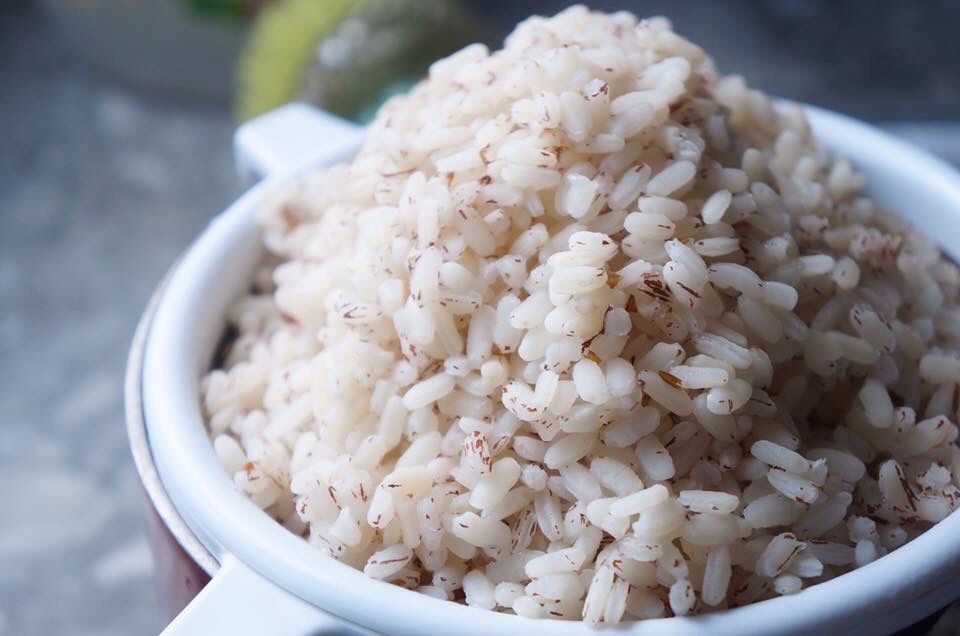
Cooking Ofada rice is similar to cooking other types of rice, but there are some specific steps to follow to ensure it turns out well. Here’s a basic method for cooking Ofada rice:
Ingredients
- 1 cup Ofada rice
- 2 cups water
- Salt (to taste)
Instructions
Place the Ofada rice in a fine-mesh strainer or sieve and rinse it thoroughly under cold running water. This helps remove excess starch and any impurities.
Some people prefer to soak Ofada rice for a few hours or overnight to soften it and reduce the cooking time. If you choose to soak the rice, place it in a bowl, cover it with water, and let it soak for at least 2-4 hours or overnight. After soaking, rinse the rice again.
In a large pot, bring 2 cups of water to a boil. You can add a pinch of salt to the boiling water for flavor.
Once the water is boiling, add the rinsed and drained Ofada rice to the pot.
Reduce the heat to low, cover the pot with a tight-fitting lid, and let the rice simmer. Cooking time may vary depending on whether you soaked the rice. If you soaked it, it may take around 20-30 minutes to cook. If you didn’t soak it, it may take closer to 45 minutes to an hour. Check the rice periodically to see if it’s tender. Add a little more water if needed to prevent it from sticking to the bottom of the pot.
To check if the rice is done, take a grain and taste it. It should be tender but still have a slight chewiness (al dente). Ofada rice can be firmer in texture compared to fully polished white rice.
Once the rice is cooked to your desired level of tenderness, drain any excess water by using a fine-mesh strainer or sieve. Then, fluff the rice with a fork to separate the grains.
How to make Ofada Rice Stew (Ayamase)
Ofada rice stew, also known as Ayamase or Designer Stew, is a spicy and flavorful Nigerian sauce that is typically served with Ofada rice. Here’s a basic recipe to make Ofada rice stew:
Ingredients
- 3-4 large green bell peppers (tatashe)
- 4-6 Scotch bonnet peppers (atarodo or habanero peppers), adjust to your spice preference
- 2 medium-sized onions
- 1 cup palm oil
- 3 tablespoons ground crayfish
- 3 tablespoons ground crayfish
- 2-3 bouillon cubes or seasoning cubes
- 1 teaspoon thyme
- 1 teaspoon curry powder
- Salt to taste
- Meat or protein of your choice (beef, goat meat, turkey, etc.)
- Boiled eggs (optional)
- Fried or grilled fish (optional)
Instructions
Wash and blend the green bell peppers and Scotch bonnet peppers together until smooth. You can remove the seeds from the Scotch bonnet peppers if you want the stew to be less spicy.
Dice one of the onions finely.
Season your choice of meat or protein with salt, thyme, curry powder, and bouillon cubes. You can also add some diced onions for flavor.
Cook the meat until it’s tender and well-cooked. You can use a pressure cooker or a regular pot for this step. If you’re using tough cuts of meat, it may take a while to cook until tender.
In a large pot, heat the palm oil until it becomes clear and slightly translucent. Be careful not to overheat the palm oil to prevent it from becoming burnt and bitter.
Add the finely diced onions and sauté until they become translucent.
Pour in the blended pepper mixture and stir well. Be prepared for the pepper to sizzle when it hits the hot palm oil.
Add the ground crayfish, bouillon cubes, and salt to taste. Stir everything together.
Allow the stew to simmer on low to medium heat for about 20-30 minutes, stirring occasionally. This allows the stew to thicken and the flavors to meld together.
Adjust the seasoning and spiciness to your preference by adding more bouillon cubes or pepper as needed.
Add the cooked meat or protein to the stew and stir to combine. Allow it to simmer together for another 10-15 minutes so that the flavors blend.
Serve the Ofada rice stew with Ofada rice. You can also serve it with boiled eggs and fried or grilled fish, which are traditional accompaniments to this dish.
Is brown rice same as ofada rice?
Ofada rice is brown rice produced in Nigeria, however brown rice is also produced elsewhere. While ofada rice has been dehusked and typically has brown stripes on the grains, brown rice produced outside of Nigeria is considerably different from ofada rice in that it still has a lot of husk and is therefore quite chewy.
Why does Ofada Rice Smell?
Ofada rice stinks because it is fermented. When it is harvested, it is left to soak in water for 5 – 7 days. After which it is parboiled and sun-dried before it is market-ready.
Where to Buy Ofada Rice?
Stores that specialize in African foods and products are likely to have Ofada rice, stores like our African Food Store.
Conclusion
Ofada rice is more than just a dish; it’s a symbol of tradition, community, and the vibrant culture of Nigeria. Its popularity has transcended borders, becoming a beloved meal enjoyed by people worldwide. Whether you’re a food enthusiast seeking new flavors or a health-conscious individual looking to incorporate whole grains into your diet, Ofada rice has something to offer.

 Niyis Afro Caribbean Cuisines and Groceries
Leave a comment