

Ogiri, a unique and aromatic condiment, is a staple in the culinary traditions of West Africa, particularly in Nigeria and Ghana. Often hailed as the “soul of African cuisine,” Ogiri is a flavorful seasoning made from fermented locust beans or melon seeds. Its distinct aroma and rich umami taste have earned it a special place in traditional dishes. In this article, we delve deep into the world of Ogiri, exploring its origins, production methods, culinary applications, and the cultural significance that makes it a cherished ingredient in West African cooking. Join us on a journey to uncover everything you need to know about this remarkable and complex flavor enhancer, Ogiri.
What is Ogiri?
Ogiri is a traditional West African condiment and flavoring agent known for its strong aroma and distinct taste. It is commonly used in the cuisines of Nigeria, Ghana, and other West African countries.
What is Ogiri Made From?
The primary ingredient for Ogiri Okpei is the locust bean, which is the seed of the African locust bean tree (Parkia biglobosa). These beans are rich in protein and are commonly used in West African cuisines.
What Does Ogiri Taste Like?
Ogiri is known for its pronounced umami taste, which is often described as savory, meaty, and deeply flavorful. It adds depth and complexity to dishes and contributes to the overall taste profile.
Ogiri has a rich and earthy flavor, which comes from the fermentation process of its base ingredients, whether it’s fermented locust beans or melon seeds. This richness can be compared to the depth of flavor found in certain aged cheeses or soy sauce.
The aroma of Ogiri is strong and can be quite pungent. It has a unique and acquired scent that is an essential part of its appeal. Some people describe the aroma as strong and funky, while others find it aromatic and intriguing.
How is Ogiri Made?
The raw locust beans are first cleaned to remove any debris, dirt, or impurities. The cleaned ingredient is soaked in water to soften it. The duration of soaking can vary but generally lasts several hours or overnight.
After soaking, the ingredient is boiled until it becomes soft and pliable. For Ogiri Okpei, this involves boiling the locust beans. For Ogiri Egusi/Ijebu, this involves boiling the melon seeds.
Depending on the type of Ogiri, the softened ingredient is either mashed (for Ogiri Okpei) or ground into a paste (for Ogiri Egusi/Ijebu). For Ogiri Egusi/Ijebu, the ground paste is typically made by crushing the soaked and boiled melon seeds.
The mashed or ground ingredient is then left to ferment. The fermentation period can vary widely and may last from several days to several weeks. During fermentation, the mixture develops its unique flavor and aroma.
After fermentation, the fermented mixture is shaped into solid chunks, granules, or cakes. These shaped pieces are then dried in the sun or through other traditional methods. Drying helps to preserve the Ogiri and extend its shelf life.
Nutritional Value of Ogiri
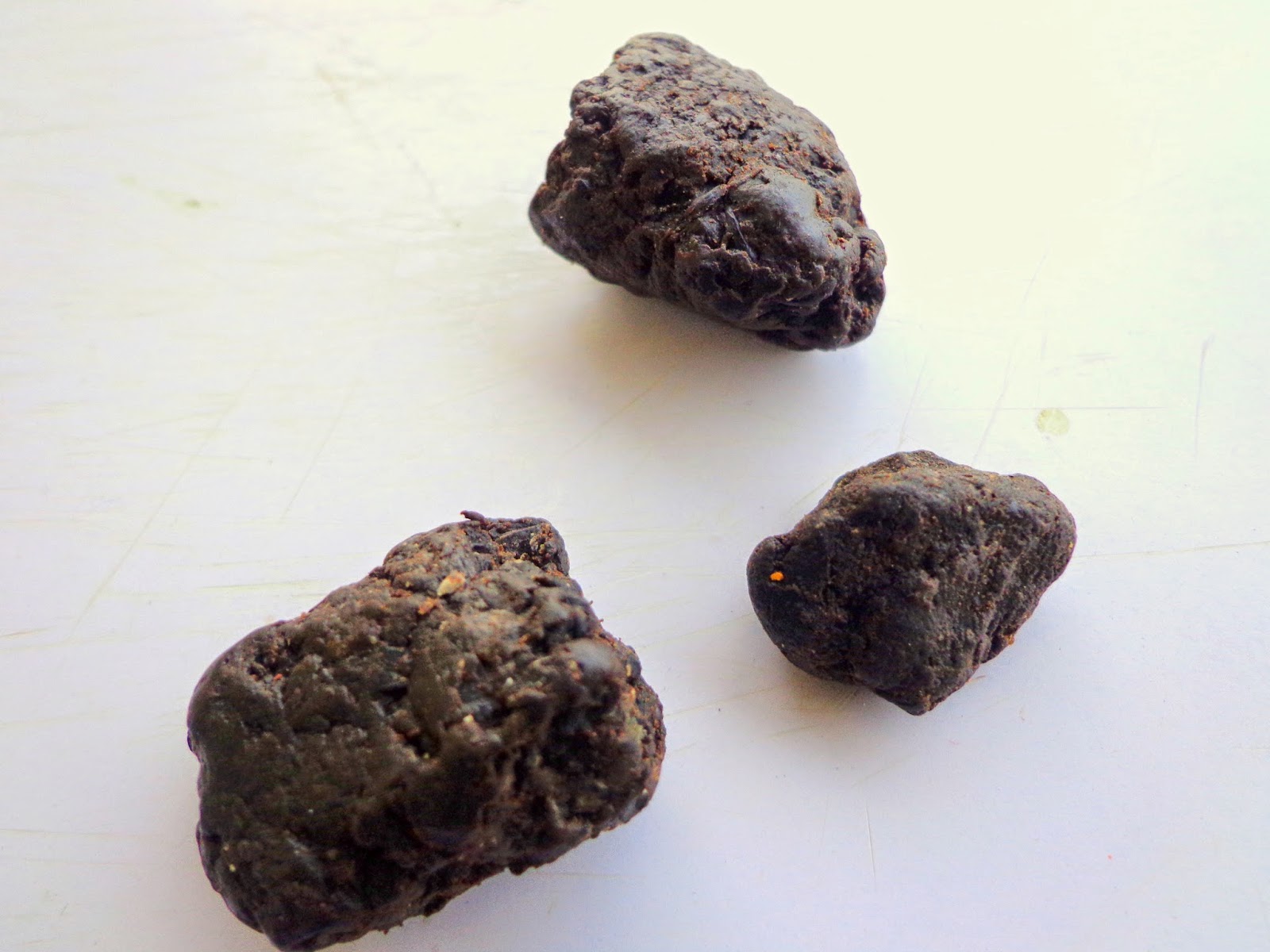
While it is primarily used as a flavoring agent and seasoning in West African cuisine, it does provide some nutritional value. The specific nutritional content can vary based on the type of Ogiri (Ogiri Okpei or Ogiri Egusi/Ijebu) and the method of preparation. Here is a general overview of the potential nutritional components of Ogiri:
Protein: Ogiri can contain a moderate amount of protein, particularly when made from ingredients like locust beans or melon seeds. Protein is essential for various bodily functions, including tissue repair and muscle development.
Fiber: Depending on the original ingredient used, Ogiri may contain dietary fiber. Fiber is important for digestive health and can help regulate bowel movements.
Vitamins and Minerals: Ogiri may retain some vitamins and minerals from its base ingredients. These can include vitamins like vitamin C and certain B vitamins, as well as minerals such as calcium, iron, and potassium. The specific content can vary widely based on the ingredients and preparation method.
Antioxidants: Fermentation can sometimes enhance the antioxidant content of foods. Ogiri may contain some antioxidants, which can help protect cells from oxidative damage.
Healthy Fats: In the case of Ogiri Egusi/Ijebu made from melon seeds, there may be some healthy fats present. These fats can provide energy and support various bodily functions.
How to Use Ogiri
Ogiri is typically sold in solid chunks, granules, or cakes. To use it, you’ll need to break it into smaller pieces. You can do this by crumbling it with your fingers or grating it using a fine grater. Start with a small amount, as Ogiri is potent, and you can always add more to taste.
Ogiri is best added during the cooking process, so it has time to infuse its flavor into the dish. Here’s how to use it in different types of dishes:
- Soups and Stews: In Nigerian cuisine, Ogiri is often used in traditional soups like Egusi Soup, Oha Soup, and Bitterleaf Soup. Add the crumbled or grated Ogiri to the simmering soup or stew and let it dissolve and meld with the other ingredients.
- Sauces: Ogiri can be used in sauces, especially those made with palm fruit, tomato, or groundnut (peanut). Add it to the sauce while it simmers to enhance the flavor.
- Rice Dishes: Ogiri can be used to season rice dishes like Jollof Rice or Fried Rice. You can add it during the cooking process to infuse the rice with its flavor.
Ogiri has a strong flavor, so it’s important to balance it with other seasonings and ingredients. Common complementary seasonings include onions, garlic, ginger, and a variety of spices. The goal is to achieve a harmonious and well-balanced flavor profile.
As you cook with Ogiri, taste your dish periodically to ensure the desired level of flavor is achieved. You can add more Ogiri if you want a stronger taste or adjust the seasoning with salt or other seasonings to balance the flavors.
Where to Buy Ogiri
African grocery stores or specialty markets that cater to West African, Nigerian, or Ghanaian communities sell Ogiri. Stores like our African Food Store sell fresh quality Ogiri.
Conclusion
In conclusion, Ogiri is more than just a seasoning; it’s a cultural treasure, an embodiment of tradition, and a flavor enhancer deeply rooted in West African cuisine. Its strong umami taste and pungent aroma may be an acquired delight for some, but its significance in culinary heritage cannot be overstated. From its humble beginnings as fermented locust beans or melon seeds to its role in creating rich, savory, and complex flavors in dishes, Ogiri weaves a tapestry of tradition, taste, and community. As you explore the world of West African cuisine, may your culinary journey be enriched by the remarkable Ogiri, a condiment that truly embodies the soul of African cooking.



 Niyis Afro Caribbean Cuisines and Groceries
Leave a comment