
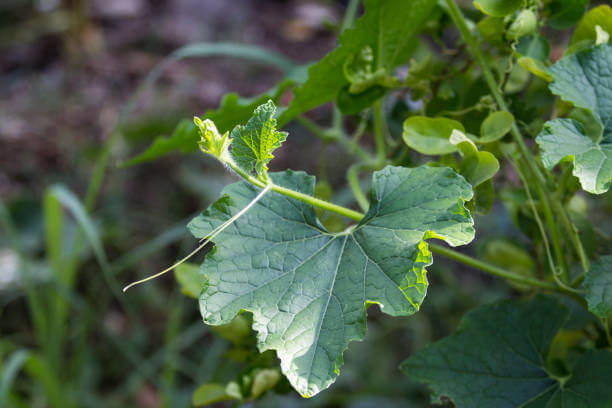
Pumpkin leaves are an often overlooked leafy green vegetable that provides a wide range of nutritional benefits. Though they may not be as well known as kale or spinach, pumpkin leaves can easily be incorporated into both culinary and non-culinary dishes. From the leaf’s look, taste and cultivation process to their numerous vitamins and minerals, this article will thoroughly explore the basics of pumpkin leaves and why it is worth adding them to your diet.
What are Pumpkin Leaves?
Pumpkin leaves are the green leafy parts of the pumpkin plant. They have a tender texture and mild flavour, similar to spinach. Pumpkin leaves can be found in many places, from farmers markets to specialty grocery stores.
What Do Pumpkin Leaves Look Like?
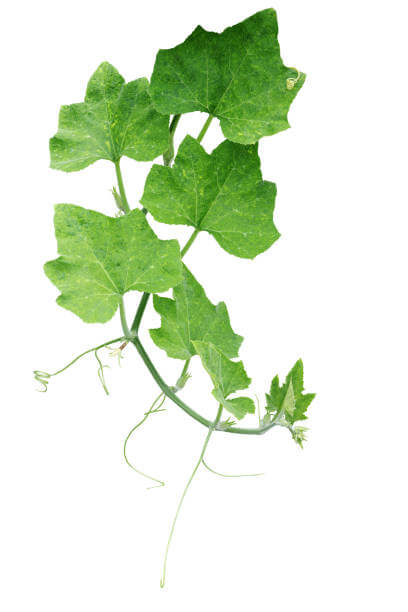
Pumpkin leaves have deep green, slightly serrated edges with pointed tips. Pumpkin leaves can grow up to several feet in length and are very delicate, so be sure to handle them with care.
How Are Pumpkin Leaves Cultivated?
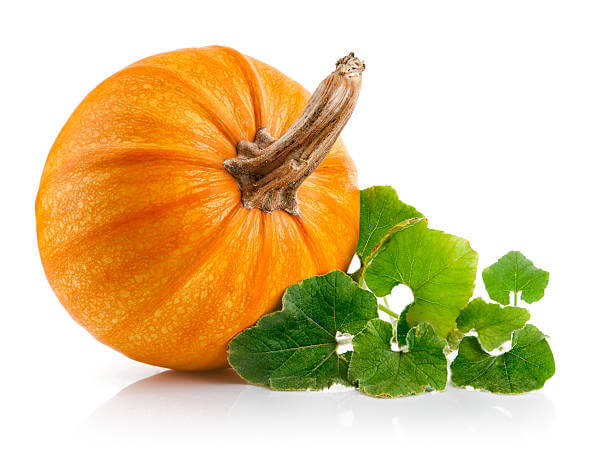
Pumpkin leaves are grown from the same seeds as pumpkins. Pumpkin farmers sow the seeds directly into the soil during late spring or early summer and harvest them in the fall. Pumpkin leaves are typically harvested by hand and require frequent watering to ensure optimal growth.
Nutritional Value of Pumpkin Leaves
Pumpkin leaves are a great source of essential vitamins and minerals, including calcium, iron, potassium, and zinc. They also contain vitamins A, B6, C, E and K as well as dietary fiber. Pumpkin leaves are also a great source of antioxidants and polyphenols, which can help reduce inflammation in the body.
Health Benefits of Pumpkin Leaves
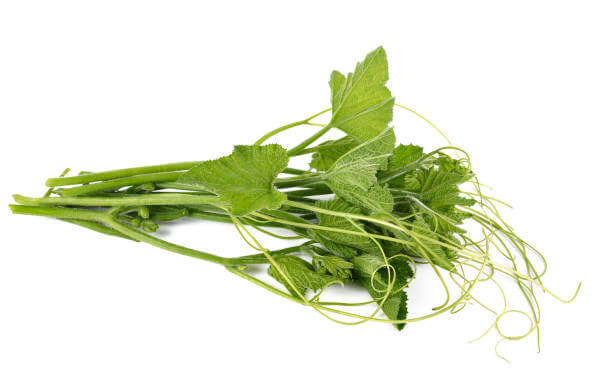
The nutritional content of pumpkin leaves makes them beneficial for overall health. Pumpkin leaves are rich in antioxidants, which have been linked to reducing inflammation, inhibiting cancer cell growth and improving heart health. Pumpkin leaves are also a great source of dietary fiber, which can help support digestion and reduce cholesterol levels. Additionally, pumpkin leaves contain potassium and other minerals that can help regulate blood pressure and support bone health.
How to Use Pumpkin Leaves
Pumpkin leaves can be used in both culinary and non-culinary ways.
Pumpkin leaves can be cooked like any other leafy green, such as spinach or kale. They can also be added to salads, soups and other dishes for an extra nutritional boost.
Pumpkin leaves are also great when used as a wrap for savoury fillings such as rice, beans or cheese. Pumpkin leaves can also be dried and crushed into a powder that can be used as a nutritional supplement.
Pumpkin leaves can also be made into a tea by boiling the leaves in water, which is said to have calming effects. In Nigeria, pumpkin leaves, also known as ugu, or ugwu, are boiled and mixed with oil and spices to make a popular dish called efo riro.

Finally, pumpkin leaves can also be used in non-culinary ways. Pumpkin leaves have traditionally been used as a natural remedy for various ailments, including headaches and skin problems. Pumpkin leaves are also popular in Africa for the making of traditional crafts, such as baskets and jewelry.
African and Inter-Continental Recipes Using Pumpkin Leaves
Pumpkin greens are used in many traditional African recipes. Here are some popular dishes from Africa and the Caribbeans that feature pumpkin leaves:
Efo Riro (Nigeria):
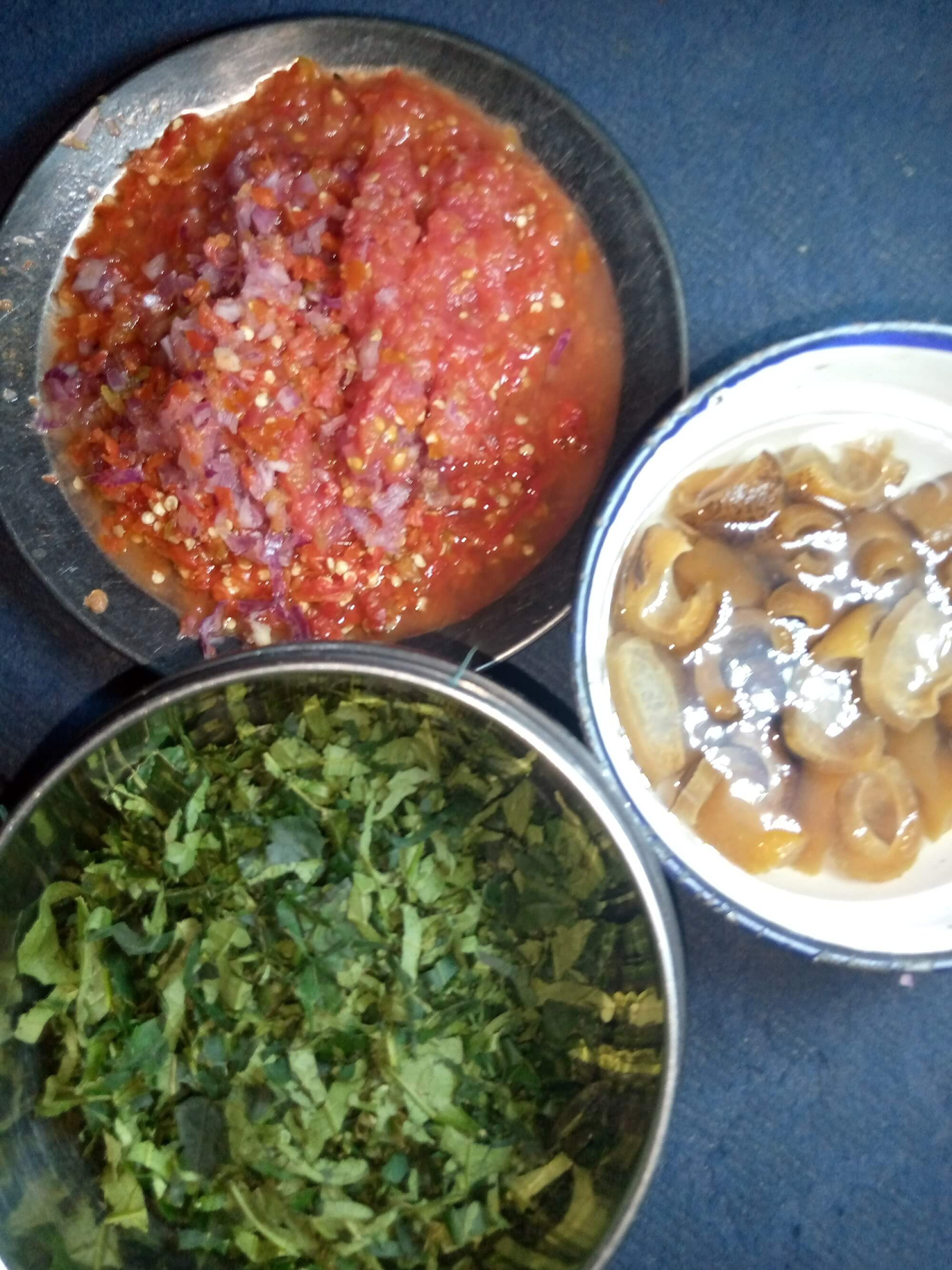
This popular Nigerian dish is made by boiling pumpkin leaves in water, then adding oil and spices like ginger, garlic, pepper and onion to finish it.
To prepare:
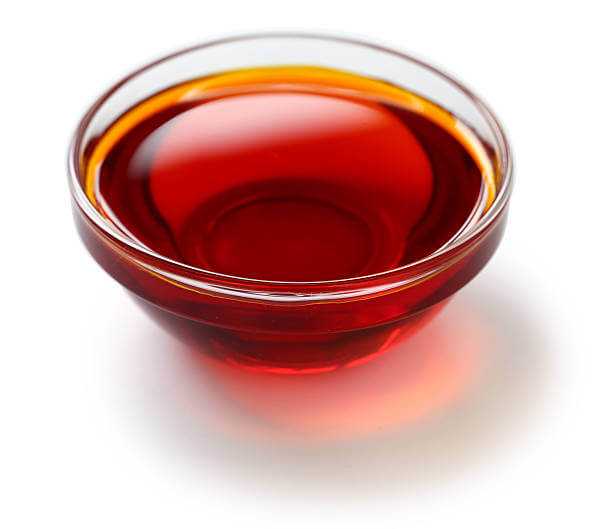
Boil pumpkin leaves in a pot of water until tender. Heat red palm oil in a pan and add the spices, garlic, peppers and onion and stir-fry until fragrant. Add the boiled pumpkin leaves and cook for an additional 5 minutes. Serve with yam, rice or cass.
Pumpkin Leaf Soup (South America):
Pumpkin leaf soup is a popular dish in South America that can be served as a main or side dish. The soup is made with pumpkin leaves, coconut milk, onion and garlic.
To prepare:
Heat olive oil in a pot and add the onion, garlic and pumpkin leaves. Cook until fragrant, then add coconut milk and bring to a boil. Reduce the heat and simmer for 20 minutes. Serve with rice or a side of your choice.
Pumpkin Leaf and Potato Stew (East Africa):
Pumpkin leaves are cooked with potatoes, onions, garlic and tomatoes to make this East African stew. The pumpkin leaves add a unique flavour and texture to the stew.
To prepare:
Heat oil in a pan and add the onions, garlic and potatoes. Cook until softened, then add the tomatoes and pumpkin leaves. Simmer for 15 minutes. Serve with rice, bread or a side of your choice.
Overall, pumpkin leaves are a great source of essential nutrients that can benefit overall health. They can be used in both culinary and non-culinary ways, making them a versatile ingredient for many dishes. Pumpkin leaves can be found fresh or frozen at most grocery stores and when you eat pumpkin leaves and stems, it can be a great addition to any meal
How to Properly Store Pumpkin Leaves
Pumpkin leaves should be stored in the refrigerator, where they will keep for up to five days. Pumpkin leaves can also be frozen for up to six months. Pumpkin leaves should be washed thoroughly and dried before storing them in an airtight container or freezer bag. Pumpkin leaves can also be blanched and then frozen for an even longer shelf life. Do not wash pumpkin leaves until you are ready to use them. Pumpkin leaves should also be handled with care as they can easily bruise and damage. To eat pumpkin leaves, they are best eaten as soon as possible after harvesting.
Conclusion
Pumpkin leaves are a type of leafy green vegetable that come from the plant genus Cucurbita. They have deep green and serrated lobes and are grown in many areas around the world. Pumpkin greens are highly nutritious, containing vitamins A,vitamins B and vitamins C, as well as iron and magnesium.
These nutrients provide a plethora of health benefits such as enhancing immunity, improving vision, and aiding in digestion. Pumpkin greens can be used both in culinary dishes or medicinal applications.
In the kitchen, you can cook pumpkin leaves, by either getting them boiled, fried or sautéed in various dishes or added to soups and salads. You can also eat pumpkin greens when they are blended into smoothies or steeped as a tea and can be used in non-culinary ways.
To eat pumpkin leaves, you can get yours fresh, frozen, in large and small units, from us at Niyis.co.uk.
Also Read
 Niyis Afro Caribbean Cuisines and Groceries
Leave a comment