
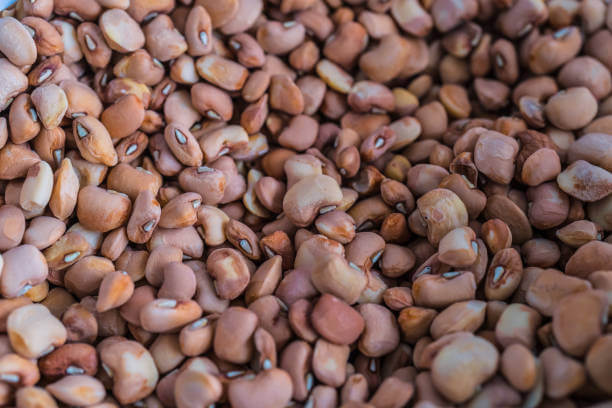
Hey there, foodies! Today, we’re going to take a deep dive into the wonderful world of Nigerian cuisine, focusing on one particular ingredient that holds a special place in the hearts and kitchens of many Nigerian—Honey Beans. This humble yet versatile bean is a staple in Nigerian cooking, and its use varies widely across the different regions of the country. So, grab a seat and join me as we take a culinary journey through Nigeria to explore how Honey Beans is prepared and incorporated into an array of delicious local dishes, each with its own regional variations, unique recipes, and cultural nuances.
Overview
Nigerian cuisine is a vibrant and diverse culinary tradition that reflects the country’s rich cultural and geographical heritage. It is characterized by a wide range of flavors, textures, and ingredients, making it a truly unique and exciting experience for food lovers. From spicy stews and soups to grilled meats and hearty porridges, Nigerian cuisine offers something for everyone.
One staple ingredient that plays a crucial role in Nigerian cooking is Honey Beans. This legume, also known as Honey Beans or Oloyin Beans, is a type of black-eyed pea with a distinctive sweet taste and creamy texture. It is a popular ingredient in various Nigerian dishes and is prized for its nutritional value and versatility in the kitchen. Honey Beans are a good source of protein, fiber, and essential nutrients, making them a valuable addition to the Nigerian diet.
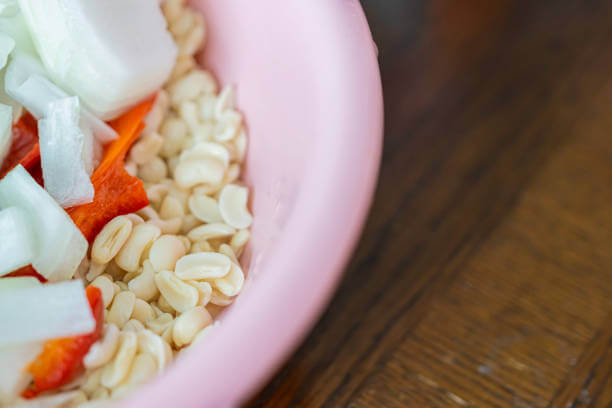
In Nigerian cooking, Honey Beans are often used to prepare traditional dishes such as moin moin, a steamed bean pudding that is flavored with peppers, onions, and spices. Honey Beans can also be used to make akara, a type of fritter that is a popular street food in Nigeria. Additionally, Honey Beans can be mashed and used as a base for soups and stews, adding a creamy texture and subtle sweetness to the dishes.
Honey Beans in Northern Nigeria
Honey beans dishes in the North have some key characteristics that make them stand out in the Nigerian cuisine. These dishes are known for their hearty and filling nature, flavor-packed profiles, and their ability to bring people together in celebration.
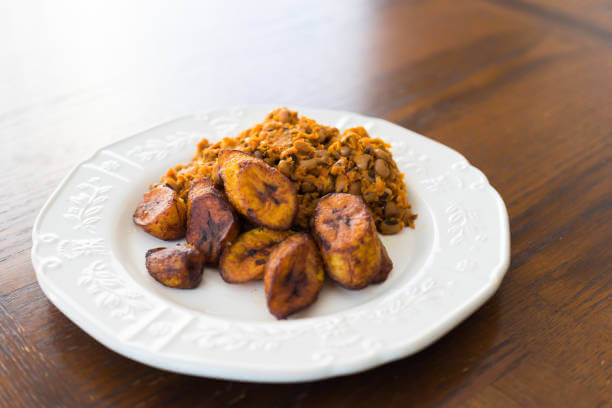
The unique recipes and cooking techniques applied to honey beans dishes in the North are part of what sets them apart. One popular dish is the Honey Beans Porridge, which is made with honey beans, palm oil, onions, crayfish, and various seasonings. This dish is often slow-cooked to allow the flavors to meld together and create a rich and satisfying meal. Another unique recipe is the Honey Beans Moi Moi, a steamed bean pudding that is made with honey beans, blended peppers, onions, and other ingredients before being wrapped in leaves and steamed to perfection.
The cooking techniques employed in preparing honey beans dishes involve a combination of slow cooking and skillful seasoning to bring out the unique flavors of the beans. It’s not uncommon to find families in the North passing down secret recipes and techniques for preparing these dishes from one generation to another, adding to the richness of the culinary tradition.
Culturally, honey beans dishes hold a significant place in the North. They are often featured in traditional celebrations and gatherings, where they serve as a symbol of abundance and togetherness. During festive occasions such as weddings, naming ceremonies, and cultural festivals, honey beans dishes are prepared in large quantities to feed the community and bring people together in a spirit of unity and joy.
Honey Beans in Southern Nigeria
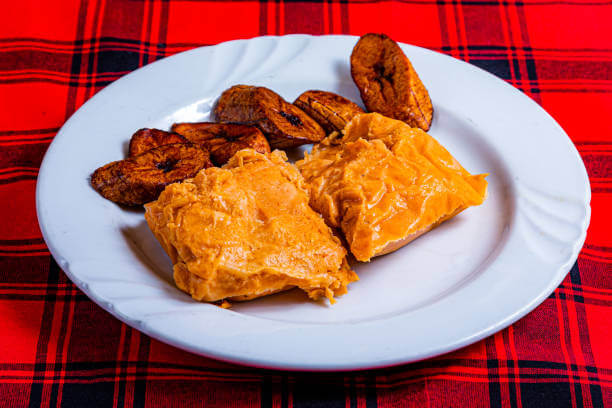
When it comes to variation in flavors, spices, and cooking methods, the differences are quite striking. In the Southern region, you’ll find a wide range of flavors used in Honey Beans dishes, from rich and savory to slightly sweet and tangy. Some recipes call for a generous amount of smoked paprika and cayenne pepper, giving the dish a bold and spicy kick, while others incorporate milder spices like cumin and coriander for a more subtle flavor profile. Additionally, the cooking methods vary from slow simmering in a flavorful broth to quick sautéing with a mix of aromatic herbs.
One of the most fascinating aspects of Honey Beans dishes in the South is the influences of indigenous traditions and colonial history on the recipes. Indigenous tribes in the region have long cultivated and used Honey Beans in their cuisine, incorporating traditional cooking methods and native spices. On the other hand, the colonial history of the South introduced new ingredients and cooking techniques, resulting in a fusion of flavors and culinary traditions. The use of bacon, ham hocks, or other smoked meats in Honey Beans dishes, for example, reflects the influence of European cooking techniques and ingredients.

Honey Beans in Eastern Nigeria
Honey Beans dishes in the East are known for their unique flavors and textures. One of the distinctive features of these dishes is the use of locally sourced ingredients, including aromatic spices and fresh herbs, which add a depth of flavor that is characteristic of the region. Additionally, the cooking methods used in the East often involve slow-cooking or stewing, allowing the beans to absorb the flavors of the other ingredients and resulting in a rich and hearty dish.
One notable regional variation of Honey Beans dishes in the East is the use of coconut milk, which imparts a creamy and luscious quality to the beans. This variation is often seen in coastal areas, where coconuts are abundant and play a significant role in the local cuisine. Another popular dish is Honey Beans porridge, a comforting and filling meal that is often enjoyed for breakfast or as a midday snack. The porridge is seasoned with a blend of spices and served with various accompaniments such as fried plantains, hard-boiled eggs, or a side of steamed greens.
Incorporation of Honey Beans in local ceremonies and social gatherings is a common practice in the East. During festive occasions, such as weddings or religious celebrations, Honey Beans dishes are often prepared in large quantities to feed the attending guests. The beans are cooked with care and attention to detail, symbolizing the spirit of generosity and hospitality that is inherent in the culture of the East. Additionally, Honey Beans dishes are often featured in community potlucks and gatherings, where friends and family come together to share a meal and exchange stories.

Honey Beans in Western Nigeria
Characteristics of Honey Beans dishes in the West are often rich, flavorful, and deeply satisfying. The beans themselves have a slightly sweet taste and a creamy texture, making them a versatile ingredient in various culinary creations. These dishes often incorporate a wide range of spices and herbs, including onions, garlic, and bell peppers, to enhance the natural flavors of the beans. They are also commonly paired with savory meats such as smoked turkey, beef, or fish to create hearty and nutritious meals.
Signature recipes and culinary practices associated with Honey Beans in the West include the popular “Ewa Aganyin,” a delicious dish originating from the Yoruba people of Nigeria. This dish features mashed Honey Beans cooked in a special spicy sauce made with palm oil, onions, and a blend of peppers and spices. It is often served with soft, fluffy bread known as “Agege” bread, creating a mouthwatering combination of flavors and textures.
Another notable recipe is “Adalu,” a Nigerian dish that combines Honey Beans with sweet corn to create a flavorful and wholesome stew. This dish is often seasoned with a combination of local spices and served with fried plantains or steamed rice, making it a favorite comfort food for many.
In traditional Yoruba cuisine and festivities, Honey Beans play a significant role in various celebrations and gatherings. During festivals and special occasions, Honey Beans dishes are often prepared in large quantities to feed and satisfy the guests. They are also commonly served as a symbol of hospitality and generosity, reflecting the importance of sharing delicious food with loved ones in Yoruba culture.
Furthermore, Honey Beans are a staple ingredient in celebratory dishes such as “Gbegiri,” a popular Yoruba soup made from Honey Beans and often paired with “Ewedu” (jute leaves) soup. These dishes are commonly enjoyed during traditional Yoruba weddings, naming ceremonies, and other joyous events, symbolizing the richness and joy of communal feasting and togetherness.

Conclusion
For those who are not familiar with Nigerian cuisine, exploring the world of Honey Beans can be an exciting culinary adventure. Whether you are cooking for yourself or entertaining guests, incorporating Honey Beans into your dishes can offer a new and vibrant experience. Don’t be afraid to experiment with different flavors and techniques, as Honey Beans can be a canvas for your creativity in the kitchen.
So, why not hit us on Niyis.co.uk, grab some Honey Beans, and whip up an amazing honey beans recipe? Whether you are a seasoned cook or just starting out, exploring the world of Honey Beans can open up a whole new realm of culinary possibilities. Embrace the cultural significance and culinary versatility of Honey Beans, and let your taste buds be your guide as you create delicious meals that celebrate the flavors of Nigeria.



 Niyis Afro Caribbean Cuisines and Groceries
Leave a comment