
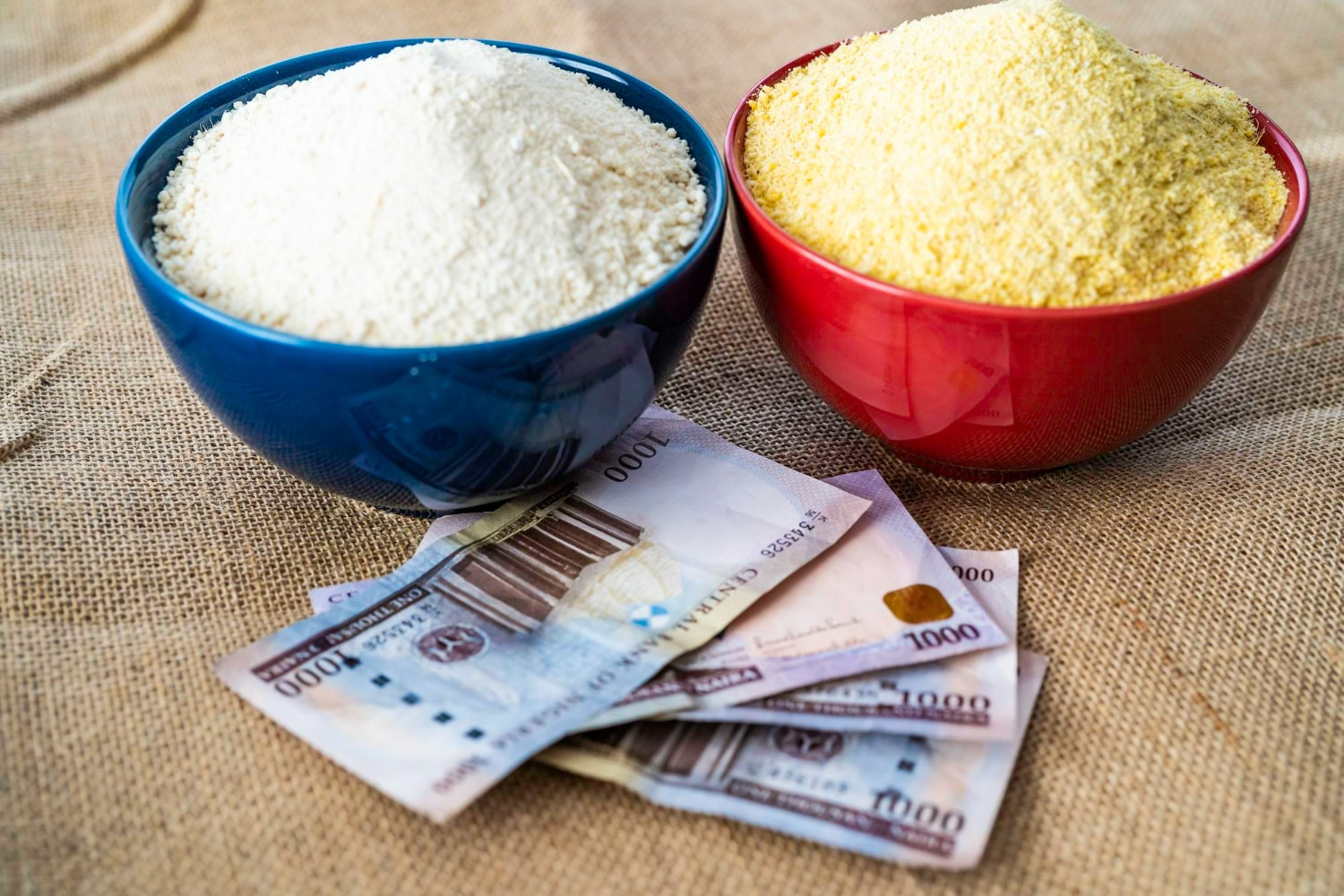
In the world of staple foods, Garri has long held its reign as a beloved and essential dietary component in West Africa. Known for its versatility and satisfying taste, Garri has been a constant presence on dinner tables and street food stalls throughout the region. While “Yellow Garri” has traditionally been the go-to choice for many, there’s a new contender making waves in the culinary world: Ijebu Garri.
Ijebu Garri, hailing from the picturesque town of Ijebu-Ode in Nigeria, has been quietly gaining a reputation as an exceptional alternative to the more commonly consumed Yellow Garri. Its unique production process, distinct flavor profile, and potential health benefits make it a formidable rival to the traditional yellow variant. In this article, we will explore the reasons why Ijebu Garri is gaining traction as a superior choice and how it’s becoming a must-try for Garri enthusiasts and food connoisseurs alike. So, let’s dive in and discover the flavorful world of Ijebu Garri, a great alternative to Yellow Garri.
What is Ijebu Garri?
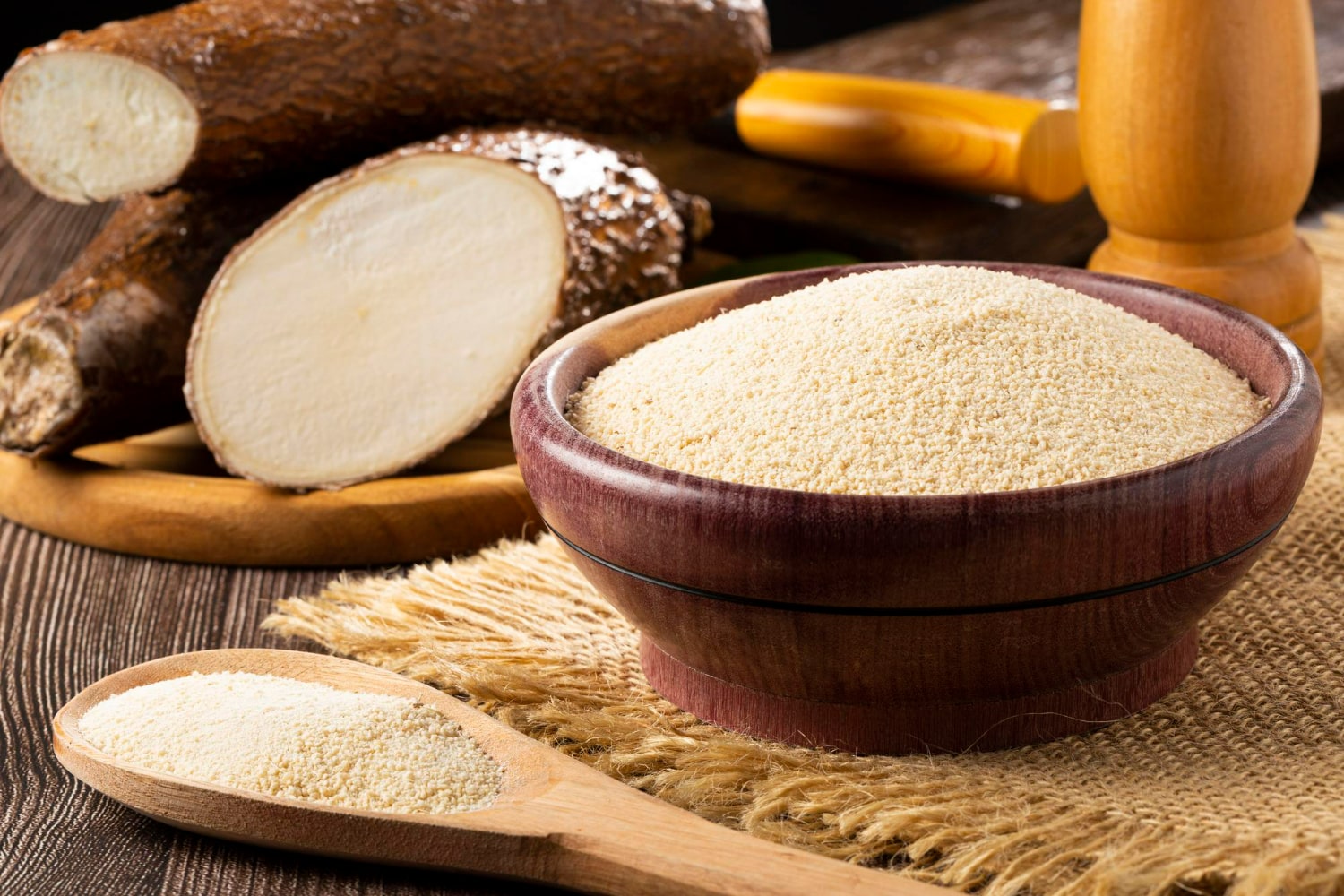
Ijebu Garri is a variety of Garri, a popular staple food in West Africa, specifically originating from the town of Ijebu-Ode in Nigeria. Garri itself is made from cassava, a starchy root vegetable, and is a vital part of the diet in many West African countries.
What is Garri Made Of?
The primary and essential ingredient in Garri is cassava roots. Cassava (Manihot esculenta) is a tropical plant native to South America but widely cultivated in Africa and other tropical regions. The roots are rich in carbohydrates and are the source of the starchy content that forms the basis of Garri.
What Does Garri Taste Like?
One of the most distinctive characteristics of Garri is its mild to moderate sourness. This sour taste is a result of the natural fermentation of the cassava during the production process. In addition to the sourness, Garri has a subtle nutty and earthy flavor.
Garri also has a starchy and somewhat grainy mouthfeel when mixed with water to form a dough-like consistency.
How is Garri Made?
Garri is produced by peeling, washing, and fermenting cassava roots before being sun-dried and milled into coarse granules or fine flour-like particles.
How Many Calories Are in Garri?
On average, a 100-gram serving of Ijebu Garri contains approximately 360 to 370 calories.
Garri Nutritional Value
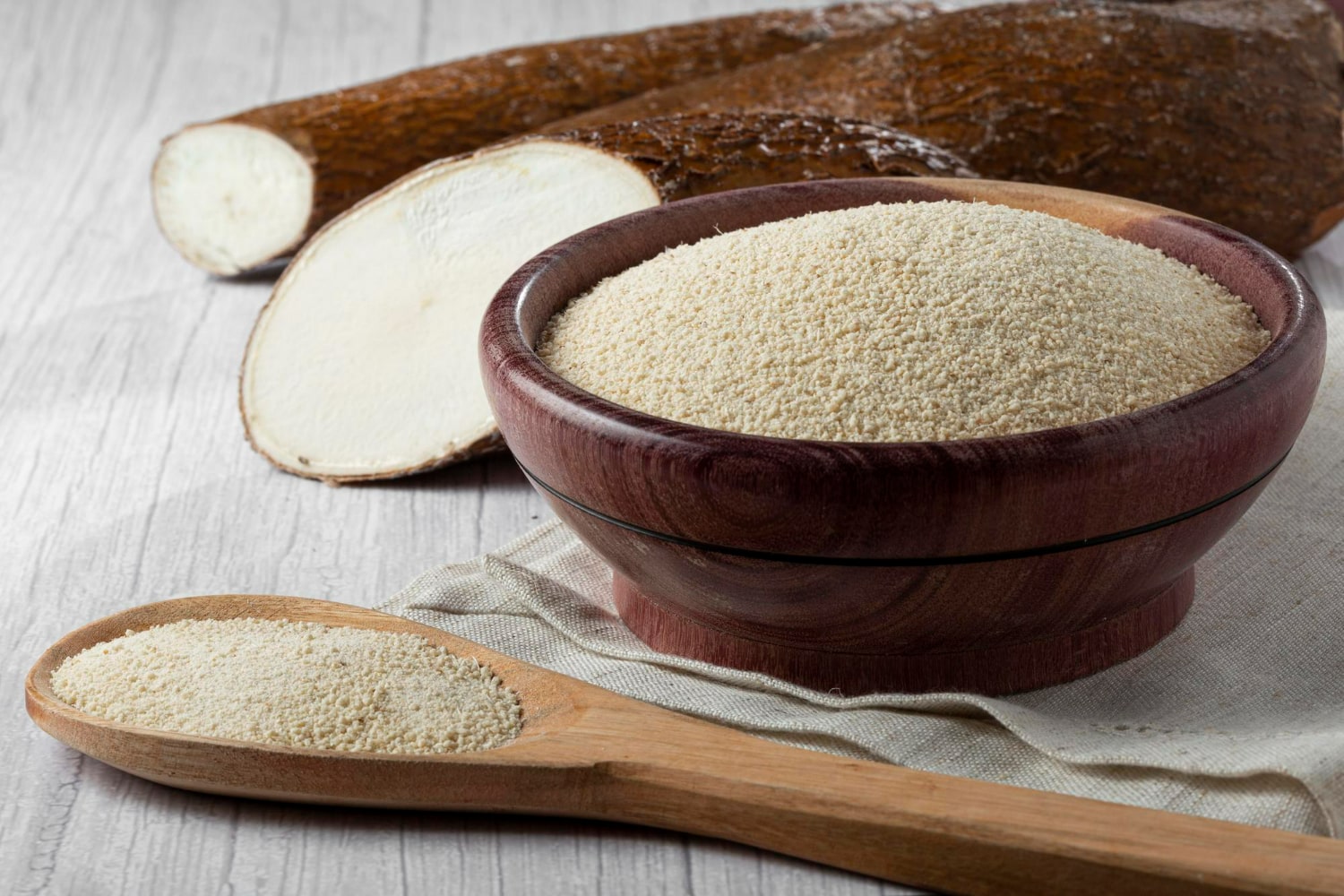
Here is a general overview of the nutritional content of Garri per 100 grams:
- Calories: Approximately 360-370 calories
- Carbohydrates: Around 90-95 grams, making it a significant source of carbohydrates.
- Protein: A very small amount, typically around 1-2 grams.
- Fiber: Minimal fiber content, usually less than 1 gram.
- Fat: Negligible fat content, often less than 1 gram.
- Vitamins and Minerals: Garri contains some vitamins and minerals, including small amounts of calcium, iron, phosphorus, and trace amounts of vitamins such as vitamin C and certain B vitamins.
- Sodium: The sodium content in Garri can vary depending on factors like production and any added salt. It is generally low, but the exact amount can differ.
Is Garri Gluten Free?
Garri, which is made from cassava, is naturally gluten-free. Gluten is a protein found in wheat, barley, rye, and their derivatives, but it is not present in cassava or Garri, which is produced from cassava roots. As a result, Garri is safe for individuals with gluten sensitivity, wheat allergies, or those who follow a gluten-free diet.
Is Garri Good For Diabetics?
Garri, a starchy staple food made from cassava, is primarily composed of carbohydrates. As such, it can impact blood sugar levels when consumed, making it a food that individuals with diabetes need to approach with caution.
Garri is carbohydrate-rich, and carbohydrates can lead to an increase in blood sugar levels. Individuals with diabetes need to manage their carbohydrate intake to control blood sugar. It’s important to be mindful of the amount of Garri consumed.
What Makes Ijebu Garri Different From Yellow Garri?
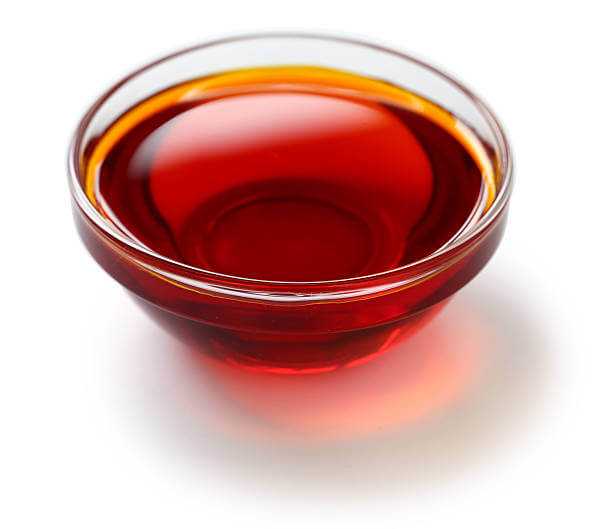
Ijebu Garri is typically lighter in color, ranging from white to a pale yellow. Yellow Garri, has a deep yellow or golden hue, which is often achieved through the addition of palm oil during processing.
Ijebu Garri is characterized by its distinctive sour taste, which comes from the natural fermentation process it undergoes. The level of sourness can vary depending on the length of fermentation. Yellow Garri typically has a milder, less tangy flavor compared to Ijebu Garri.
How To Make Eba?
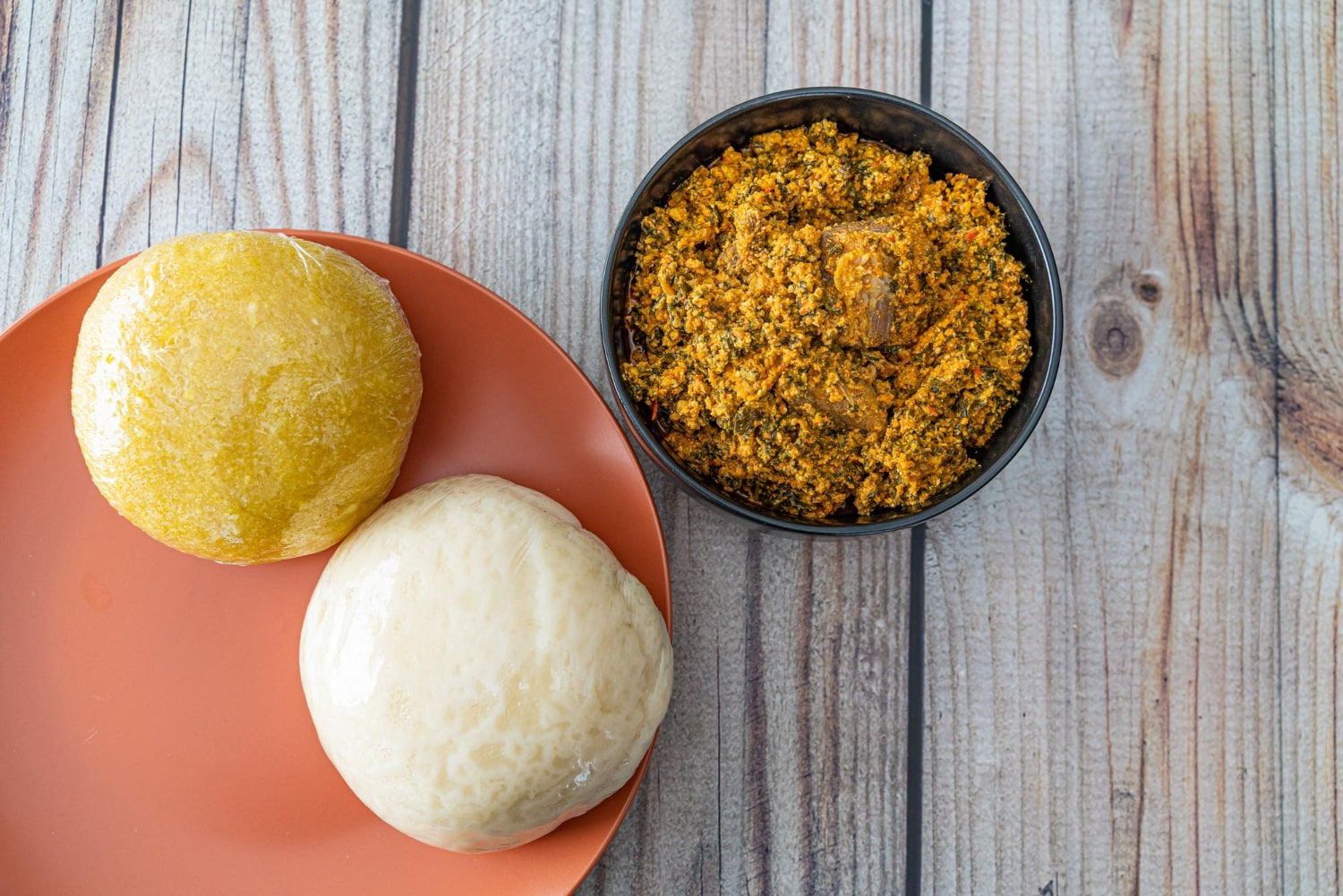
Eba is a popular Nigerian dish made from Garri. It is a starchy accompaniment often served with soups and stews. Here’s how to make Eba:
Ingredients
- Garri (Ijebu Garri)
- Boiling water
Instructions
Start by boiling water in a kettle or a pot. The amount of water you’ll need depends on the quantity of Eba you want to prepare. Typically, you’ll need about 1 to 1.5 cups of boiling water for every cup of Garri.
Scoop the desired amount of Garri into a heatproof bowl. The amount of Garri you use will depend on the number of servings you want.
Carefully pour the boiling water over the Garri in the bowl. Start with a smaller amount of water first and then gradually add more as needed. The idea is to add enough water to moisten the Garri.
Immediately start stirring the Garri and water mixture with a wooden spatula or a Garri turning stick. Ensure that you thoroughly mix the Garri and water to form a smooth, lump-free dough.
If the Eba is too hard or lumpy, you can add a little more boiling water and continue stirring until you achieve the desired texture. If it’s too soft, you can add more Garri to adjust the consistency.
Once the Eba has the right consistency and is lump-free, use the back of the spatula to shape it into a smooth mound in the center of the bowl.
What To Serve With Eba
Egusi Soup: Egusi soup is made from ground melon seeds and is rich and nutty in flavor. It is often thickened with leafy vegetables and can include meat, fish, or other proteins. Eba complements Egusi soup well, and the doughy texture of the Eba pairs nicely with the creamy soup.
Okra Soup (Okro Soup): Okra soup is made from okra (ladyfingers) and is known for its slimy texture. It is usually prepared with a variety of proteins, such as meat, fish, or shrimp. Eba provides a great balance to the sliminess of the soup.
Ogbono Soup (Draw Soup): Ogbono soup is thickened with ground ogbono seeds and often includes leafy vegetables, meat, or fish. The smooth and slightly slimy texture of Ogbono soup complements Eba’s starchy consistency.
Efo Riro: Efo Riro is a Yoruba spinach stew made with spinach or other leafy greens and is commonly prepared with a blend of peppers and various proteins. Eba is a great accompaniment for this flavorful stew.
Bitterleaf Soup (Ofe Onugbu): Bitterleaf soup is a specialty of the Igbo people and is made from bitter leaf vegetables. It can include a variety of proteins and is often enjoyed with Eba.
So Is Ijebu Garri Better Than Yellow Garri?
There are many reasons as to why Ijebbu garri may prove to be a healthier alternative to yellow garri. For one, Ijebu Garri generally has a lower fat content compared to Yellow Garri. Lower fat intake can be beneficial for those looking to reduce their fat consumption.
Ijebu Garri has a slightly higher fiber content due to its specific production methods and the use of certain cassava varieties. The higher fiber can be beneficial for digestive health.
Ijebu Garri, especially when made traditionally, typically contains fewer additives or colorants compared to Yellow Garri, which might contain palm oil to achieve its yellow color. For those who prefer minimal processing and fewer additives, Ijebu Garri may be a preferred option.
Where To Buy Ijebu Garri
In many countries with a significant West African population, there are specialty African grocery stores that import and sell various West African food products, including Ijebu Garri. Here at our African Food Store, we sell fresh ijebu garri for you to purchase.
Conclusion
Ijebu Garri stands as a compelling alternative to the more common Yellow Garri, offering a unique taste and texture that has won the hearts and palates of many across West Africa and beyond. Its lighter color, finer texture, and tangy sourness make it a delightful addition to the world of Garri.
 Niyis Afro Caribbean Cuisines and Groceries
Leave a comment