
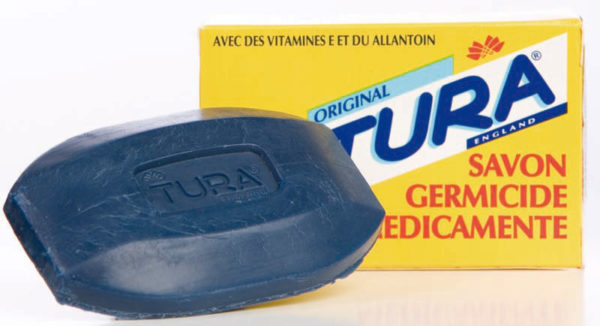
In a market flooded with imitations, distinguishing bona fide Tura Soap from its counterfeit counterparts requires more than just a passing glance. This article serves as your guide through identifying original Tura Soap, shedding light on the key attributes and markers that set it apart.
What is Tura?
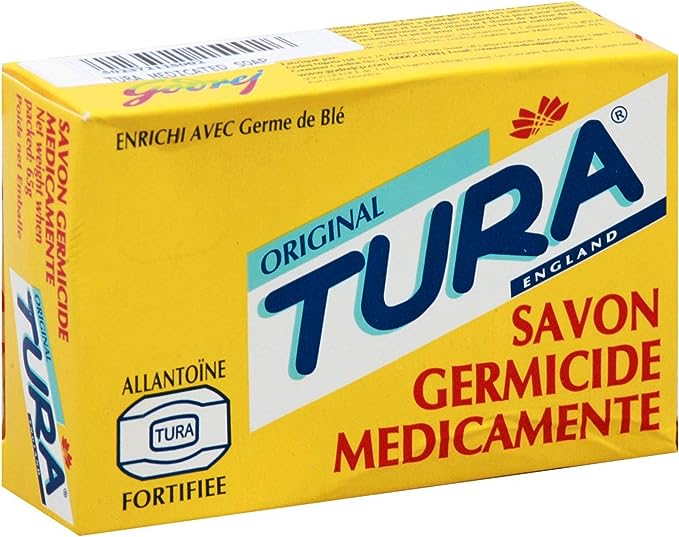
Tura Soap is a well-known skincare product that has gained popularity for its claims of improving the complexion and promoting healthy skin. It is often marketed as a beauty soap with various formulations designed to address specific skincare concerns. Tura Soap is particularly known for its skin lightening and brightening properties, which are often sought after in some cultures.
Tura Soap Ingredients
Aqua, Malic Acid, Salicylic Acid, Triclosan, Butylene Glycol, Grape Extract, Scutellaria Root Extract, Mulberry Root Extract, Disodium EDTA, Sodium Tallowate, Sodium Cocoate, Sodium Chloride, Sodium Metabisulphite, Sodium Sulphite, CI 74160 and Perfume.
Benefits of Tura Soap
Skin Lightening and Brightening: Tura Soap is often promoted for its skin lightening and brightening properties. Ingredients such as kojic acid, which is commonly found in Tura Soap formulations, can help reduce the appearance of dark spots, hyperpigmentation, and uneven skin tone, leading to a brighter complexion.
Reduction of Hyperpigmentation: Tura Soap’s ingredients, including kojic acid, may help fade areas of hyperpigmentation, such as age spots, acne scars, and sunspots.
Even Skin Tone: Regular use of Tura Soap may contribute to achieving a more even and uniform skin tone by targeting areas of discoloration and promoting an overall balanced complexion.
Exfoliation: Some variants of Tura Soap might contain exfoliating agents that help remove dead skin cells from the surface of the skin. This can lead to smoother skin and a refreshed appearance.
Moisturization: Ingredients like glycerin and natural oils found in Tura Soap formulations can provide moisturizing properties, leaving the skin feeling hydrated and soft.
Cleansing: Tura Soap, like many other soaps, is designed to effectively cleanse the skin by removing dirt, oil, and impurities, which can help prevent breakouts and promote a clean complexion.
Antioxidant Protection: Certain variants of Tura Soap containing vitamins like vitamin E or vitamin C may offer antioxidant protection, helping to shield the skin from damage caused by environmental factors and free radicals.
Tura Soap Possible Side Effects
While Tura Soap and similar skincare products can offer potential benefits, it’s important to be aware of potential side effects, especially if you have sensitive or reactive skin. Keep in mind that individual reactions can vary based on skin type, allergies, and other factors.
Skin Irritation: Some people may experience skin irritation, redness, itching, or a burning sensation when using Tura Soap, particularly if their skin is sensitive or prone to allergies. This could be due to certain ingredients or fragrances in the soap.
Dryness: Tura Soap may have exfoliating properties or ingredients that can strip the skin of its natural oils. This can lead to dryness, tightness, or flakiness, especially if the soap is used too frequently or not followed by adequate moisturization.
Increased Sensitivity to the Sun: Certain ingredients, such as exfoliants or skin-lightening agents, can make the skin more sensitive to the sun’s UV rays. This may increase the risk of sunburn and sun damage. If using Tura Soap, it’s important to use sunscreen daily and limit sun exposure.
Allergic Reactions: Some individuals might be allergic to specific ingredients in Tura Soap. Allergic reactions can manifest as redness, itching, swelling, or even hives. Conduct a patch test before using the soap on a larger area of your body to check for potential allergies.
Excessive Peeling: If Tura Soap contains potent exfoliating ingredients, using it too frequently or for extended periods may lead to excessive peeling, especially if your skin is not accustomed to such ingredients.
Uneven Results: While Tura Soap may help with skin lightening, using it excessively or incorrectly can result in uneven lightening, where certain areas of the skin become lighter than others.
Acne Flare-Ups: For individuals with acne-prone skin, Tura Soap might not be suitable. Some ingredients could potentially clog pores or exacerbate acne.
Skin Thinning: Certain skin-lightening ingredients might lead to thinning of the skin over time if used excessively, making it more susceptible to damage.
How to use Tura Soap

Before using Tura Soap on a larger area of your skin, perform a patch test. Apply a small amount of the soap to a small, inconspicuous area of your skin (such as behind your ear) and wait 24 hours to check for any adverse reactions like redness, itching, or irritation.
Wet your face or the area you wish to treat with lukewarm water. This helps to open up your pores and prepare your skin for cleansing.
Create a lather by rubbing the Tura Soap between your hands or using a washcloth. Avoid using the soap directly on your face, especially if you have sensitive skin.
Apply the lather to your face or the desired area and gently massage using your fingertips in circular motions. Be cautious not to scrub too aggressively, as this could cause irritation.
Take care to avoid getting the soap in your eyes or on the delicate skin around your eyes. If the soap does come into contact with your eyes, rinse thoroughly with water.
After massaging your skin for about 20-30 seconds, rinse off the soap thoroughly with lukewarm water. Make sure no soap residue remains on your skin.
Gently pat your skin dry with a clean, soft towel. Avoid rubbing your skin, as this can cause irritation.
Follow up with a gentle and hydrating moisturizer to help lock in moisture and keep your skin from drying out.
If you’re using Tura Soap in your morning routine, apply a broad-spectrum sunscreen with at least SPF 30 before going outside. Some ingredients in Tura Soap can increase your skin’s sensitivity to the sun.
How to Know Original Tura Soap
The genuine Tura soap has a blueish tint and is difficult to dissolve in water, however the imitations are simple to melt when exposed to water.
Original Tura soap appears to be dark blue in color while fakes may come in different colors like black, light blue and so on.
Tura soap has a strong citrusy fragrance that appears milder in the fake version.
Frequently Asked Questions (FAQ)
Does Tura Soap Contain Hydroquinone?
No, Tura Soap does not contain hydroquinone.
Is Tura Soap Good for Sensitive Skin?
Tura Soap may or may not be suitable for sensitive skin depending on the individual’s skin sensitivities.
Can Tura Soap Cure Pimples?
Yes, Tura soap can clear pimples from the skin.
Where To Buy Original Tura Soap?
You can purchase your original Tura Soap here at Niyis.
Conclusion
By familiarizing ourselves with the telltale signs of genuine Tura soap, we as consumers hold the power to safeguard our skin from potential harm, ensuring that the products we use are not only effective but also safe.
 Niyis Afro Caribbean Cuisines and Groceries
Leave a comment